Electric Grid Energy Systems: Explore Guide, Basics, Insights, and Essential Knowledge
Electric grid energy systems form the backbone of modern electricity infrastructure. These systems connect power generation sources with consumers through a network of transmission lines, substations, distribution networks, and control technologies. The grid enables electricity generated from various sources—such as thermal power plants, hydroelectric facilities, nuclear plants, and renewable energy installations to reach homes, industries, and digital infrastructure.
Electric grids exist to maintain a continuous balance between electricity supply and demand. Because electricity must typically be used immediately after it is generated, grid operators rely on sophisticated grid management technologies to ensure stability. Grid frequency regulation, load balancing, and grid resilience mechanisms allow the system to operate smoothly even when energy demand fluctuates.
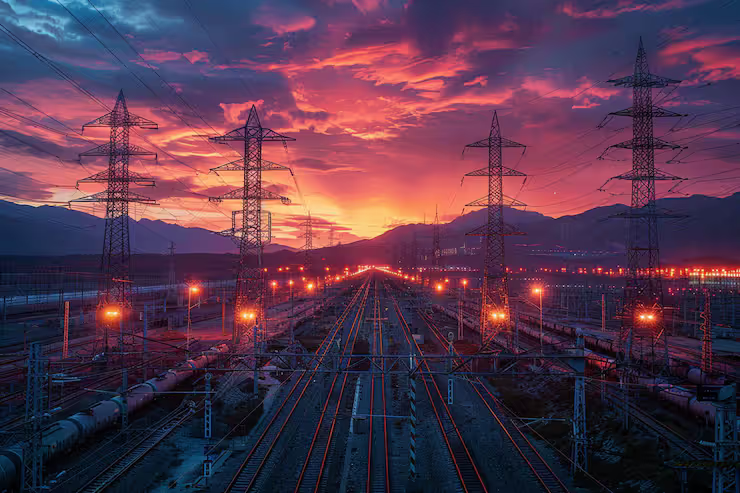
Today’s electric grid energy systems are evolving from traditional centralized power networks into more advanced smart grid infrastructures. Smart grids integrate digital communication, automation, and data analytics into the electricity network, enabling utilities and grid operators to monitor energy flows in real time. This transformation helps support renewable energy integration, distributed energy resources, and advanced grid security.
Key components of electric grid energy systems include:
-
Power generation facilities
-
High-voltage transmission networks
-
Electrical substations
-
Distribution networks
-
Grid monitoring and control systems
The increasing complexity of global energy demand, electrification of transportation, and expansion of renewable power have made electric grid systems one of the most critical technological infrastructures of the 21st century.
Why Electric Grid Energy Systems Matter Today
Electric grid energy systems influence nearly every sector of modern society. From hospitals and data centers to manufacturing facilities and electric vehicles, reliable electricity delivery supports economic productivity and technological development.
Several global trends have increased the importance of grid modernization and advanced grid infrastructure.
Energy transition and renewable power integration
Countries are expanding solar power, wind energy, and other renewable sources. These sources are variable, meaning electricity production can fluctuate based on weather conditions. Electric grids must adapt through energy storage systems, flexible grid management, and demand response technologies.
Growth of electric vehicles
Electric mobility adoption increases electricity demand and requires grid infrastructure capable of supporting charging networks and peak load management.
Digital infrastructure expansion
Cloud computing, artificial intelligence data centers, and telecommunications networks rely on stable electricity supply. High-reliability grid infrastructure helps prevent disruptions that can affect digital services.
Energy security and resilience
Natural disasters, cyber threats, and extreme weather events have increased the focus on grid resilience. Advanced grid monitoring systems and predictive analytics help detect disruptions and maintain stability.
The benefits of advanced electric grid systems include:
-
Improved grid reliability and stability
-
Efficient energy distribution and reduced transmission losses
-
Better integration of renewable energy sources
-
Enhanced monitoring through smart grid technologies
-
Improved energy efficiency across industries
Electric grid systems therefore play a critical role in economic growth, climate strategies, and sustainable energy development.
Recent Developments in Electric Grid Technology
Electric grid infrastructure has seen significant technological advancements in the past year as governments and energy operators accelerate modernization programs.
One major development has been the rapid deployment of smart grid analytics platforms. In 2025, several grid operators expanded the use of artificial intelligence and predictive analytics for grid monitoring. These tools help identify potential failures in transmission equipment before outages occur.
Another important trend involves large-scale battery energy storage systems (BESS) connected directly to grid infrastructure. Throughout 2024 and 2025, energy storage installations increased in multiple regions, helping balance electricity supply when renewable generation fluctuates.
Advanced high-voltage direct current (HVDC) transmission lines have also gained attention. HVDC technology enables efficient long-distance electricity transmission with lower energy losses compared to traditional alternating current transmission lines.
Digital grid technologies are also improving demand response systems, allowing utilities to manage electricity consumption during peak demand periods through automated signals and smart meters.
The table below highlights key recent trends in electric grid energy systems.
| Grid Technology Trend | Description | Impact |
|---|---|---|
| Smart Grid Analytics | AI-based monitoring and predictive maintenance | Improved grid reliability |
| Battery Energy Storage | Grid-connected storage systems | Renewable energy balancing |
| HVDC Transmission | High-efficiency long-distance power transmission | Reduced energy losses |
| Distributed Energy Resources | Solar rooftops and microgrids | Decentralized energy generation |
| Grid Cybersecurity | Protection against digital threats | Enhanced infrastructure security |
Another area of focus is microgrid technology, which allows localized electricity networks to operate independently from the main grid during outages or emergencies. Universities, hospitals, and industrial parks increasingly deploy microgrids to enhance energy resilience.
Regulatory Frameworks and Energy Policies
Electric grid energy systems are influenced by government regulations, energy policies, and national grid standards. These frameworks ensure safe operation, infrastructure investment, and long-term energy sustainability.
In India, grid management and electricity infrastructure are regulated by organizations such as the Central Electricity Authority (CEA) and the Central Electricity Regulatory Commission (CERC). These institutions oversee power system planning, grid reliability standards, and electricity market regulations.
Important regulatory initiatives influencing grid systems include:
-
National electricity grid integration policies
-
Renewable energy grid connectivity standards
-
Smart grid modernization programs
-
Transmission planning regulations
-
Energy efficiency and sustainability targets
India has also implemented several programs supporting grid modernization and renewable energy integration. One example is the National Smart Grid Mission, which promotes digital grid infrastructure, smart meters, and advanced grid management systems.
The following table outlines key policy areas influencing electric grid systems.
| Policy Area | Focus |
|---|---|
| Grid Modernization | Digital monitoring and smart grid deployment |
| Renewable Integration | Connecting solar and wind energy to the grid |
| Transmission Expansion | High-capacity electricity corridors |
| Energy Storage Policy | Support for grid-scale storage technologies |
| Cybersecurity Standards | Protection of digital grid infrastructure |
Government policy frameworks help ensure that grid systems remain reliable while accommodating new energy technologies.
Tools and Resources for Electric Grid Analysis
Professionals, researchers, and energy planners often rely on specialized tools and analytical platforms to study electric grid systems and power transmission networks.
Some widely used tools and resources include:
-
Power system simulation software for grid stability analysis
-
Energy demand forecasting platforms using data analytics
-
Grid infrastructure mapping tools for transmission planning
-
Renewable integration modeling software
-
Electric load forecasting calculators
Commonly used resources for electric grid research and analysis include:
-
Energy Information Administration (EIA) datasets
-
International Energy Agency (IEA) electricity market reports
-
Open energy modeling frameworks
-
Power system visualization platforms
The following table highlights common grid analysis tools.
| Tool Category | Purpose |
|---|---|
| Power Flow Simulation Software | Analyze transmission network performance |
| Load Forecasting Tools | Predict electricity demand patterns |
| Grid Monitoring Platforms | Real-time infrastructure observation |
| Renewable Integration Models | Evaluate solar and wind grid impact |
| Energy Data Platforms | Access electricity market datasets |
These tools assist energy analysts, policymakers, and researchers in understanding grid performance, planning future infrastructure, and evaluating renewable integration strategies.
Frequently Asked Questions About Electric Grid Energy Systems
What is an electric grid energy system?
An electric grid energy system is a network of power generation facilities, transmission lines, substations, and distribution systems that deliver electricity from producers to consumers.
What is a smart grid?
A smart grid is an advanced electricity network that uses digital communication, sensors, and automated control systems to improve grid reliability, efficiency, and energy management.
Why is grid modernization important?
Grid modernization improves the ability of power systems to integrate renewable energy, manage electricity demand, enhance reliability, and support digital infrastructure.
What is grid resilience?
Grid resilience refers to the ability of electricity infrastructure to withstand disruptions such as extreme weather, equipment failures, or cyber threats while maintaining power delivery.
How does renewable energy affect electric grids?
Renewable energy sources such as solar and wind introduce variability in electricity generation. Electric grids must use energy storage, demand response, and smart grid technologies to maintain balance between supply and demand.
Conclusion
Electric grid energy systems remain one of the most critical infrastructures supporting modern economies. These networks enable reliable electricity delivery across cities, industries, transportation systems, and digital technologies.
The transformation toward smart grid infrastructure, renewable energy integration, and advanced grid monitoring technologies reflects a broader shift in global energy systems. Governments, energy operators, and technology developers are investing in grid modernization initiatives that strengthen reliability while supporting sustainability goals.
As energy demand grows and new technologies such as electric vehicles and distributed energy resources expand, the role of advanced electric grid systems will continue to evolve. Understanding the fundamentals of grid infrastructure, policy frameworks, and emerging technologies helps build awareness of how electricity networks shape the future of global energy systems.