Electric Delivery Vehicles: Explore Guide, Tips, Insights, and Essential Information
Electric delivery vehicles are commercial transportation units powered by electric motors and rechargeable battery systems rather than internal combustion engines. These vehicles include electric vans, electric cargo bikes, light-duty electric trucks, and medium-duty battery electric trucks used for urban logistics and last-mile transportation.
In modern logistics networks, electric delivery vehicles are becoming an important component of sustainable transportation systems and fleet electrification strategies. The technology has emerged due to increasing urbanization, rising environmental concerns, and advancements in EV battery technology and charging infrastructure.
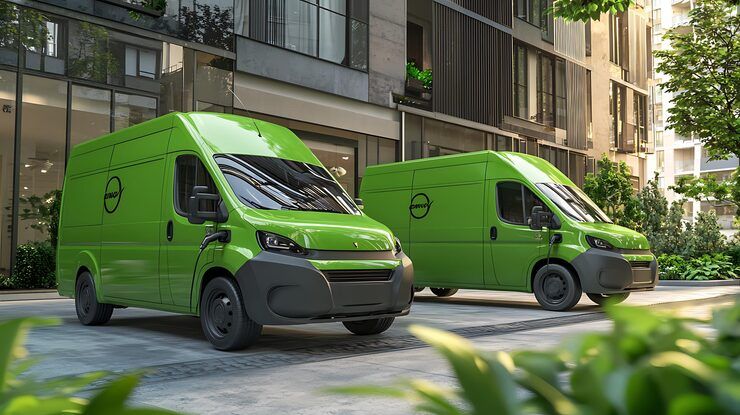
Electric logistics vehicles operate using large lithium-ion battery packs that store energy to power electric drivetrains. The absence of traditional combustion engines allows these vehicles to reduce tailpipe emissions and operate quietly, making them particularly suitable for urban delivery environments.
Key characteristics of electric delivery vehicles include:
-
Battery-powered propulsion systems
-
Regenerative braking technology
-
Advanced telematics and EV fleet management software
-
Integration with smart charging networks
-
Lower mechanical complexity compared with combustion engines
The rapid growth of e-commerce logistics and last-mile delivery operations has accelerated the adoption of these vehicles worldwide. Major logistics providers, municipal fleets, and courier companies are exploring electric delivery solutions to improve efficiency and sustainability within transportation ecosystems.
Importance: Why Electric Delivery Vehicles Matter in Today’s Logistics Industry
Electric delivery vehicles are gaining global attention because transportation is a major contributor to greenhouse gas emissions. As cities expand and online retail grows, delivery fleets travel millions of kilometers each day. Electrification of these fleets can significantly transform urban mobility systems.
One key benefit is the reduction of transportation emissions. Electric vehicles produce no tailpipe emissions, helping cities address air quality challenges and environmental regulations.
Another advantage is the integration with smart fleet management systems. Modern electric fleets rely on digital technologies such as route optimization software, telematics dashboards, and real-time battery monitoring.
Electric delivery vehicles also support:
-
Sustainable supply chain management
-
Green logistics frameworks
-
Urban mobility innovation
-
Energy-efficient transportation networks
Many logistics companies analyze total lifecycle emissions, which include manufacturing, battery production, and operational energy use. When powered by renewable electricity, electric delivery vehicles can substantially lower carbon footprints.
Electric delivery fleets also play a role in noise reduction within cities. Traditional delivery trucks generate significant noise, especially during early morning operations. Electric drivetrains operate quietly, enabling more flexible delivery schedules.
Another important aspect is the integration with smart city infrastructure. Electric delivery vehicles can communicate with digital traffic systems, charging stations, and fleet management platforms to improve route planning and energy efficiency.
The importance of electric delivery vehicles continues to grow as industries pursue decarbonization strategies, sustainable logistics frameworks, and advanced transportation technologies.
Recent Updates: Key Trends and Developments in Electric Delivery Vehicles
The past year has seen notable developments in electric commercial vehicle technology, particularly in battery innovation and fleet electrification.
In 2025, several logistics companies expanded pilot programs for electric last-mile delivery fleets. These programs focused on testing battery range, charging efficiency, and operational performance in dense urban environments.
Battery technology improvements remain one of the most important developments. Advances in high-energy-density lithium-ion batteries and emerging solid-state battery research are increasing driving range and improving charging efficiency.
Another major trend involves smart charging infrastructure. Charging stations are increasingly integrated with energy management systems that balance grid demand and fleet charging schedules.
Electric delivery vehicle technology trends
| Trend | Description | Impact |
|---|---|---|
| High-capacity battery systems | Improved energy density and durability | Longer driving range |
| Smart charging networks | Digital systems controlling charging schedules | Energy optimization |
| Fleet telematics integration | Data analytics for EV fleets | Operational insights |
| Lightweight vehicle materials | Advanced composites and aluminum structures | Improved efficiency |
| Autonomous delivery research | Testing self-driving delivery vehicles | Future logistics innovation |
In 2024–2025, research institutions and transportation agencies also explored electric cargo bikes and micro-mobility delivery systems for urban centers. These smaller vehicles are particularly effective for short-distance deliveries within congested city areas.
Another emerging area is vehicle-to-grid (V2G) technology, where electric vehicles can interact with power grids to stabilize energy demand. This concept is being studied as part of smart energy infrastructure development.
These technological advancements continue to influence the future of electric logistics vehicles and urban delivery networks.
Laws and Policies Affecting Electric Delivery Vehicles
Government policies play a major role in the growth of electric delivery vehicle adoption. Regulations related to emissions, energy efficiency, and transportation standards influence how logistics companies transition to electric fleets.
Many countries have implemented electric mobility policies designed to encourage cleaner transportation technologies.
In India, the government launched the FAME (Faster Adoption and Manufacturing of Electric Vehicles) initiative, which supports electric mobility research and infrastructure development. The program promotes electric vehicle adoption in both private and commercial transportation sectors.
Key regulatory areas affecting electric delivery vehicles include:
-
Vehicle emission regulations
-
EV charging infrastructure standards
-
Battery recycling and environmental guidelines
-
Energy efficiency standards
-
Smart mobility policies
Many cities are also exploring low-emission zones, where conventional diesel delivery vehicles face operational restrictions. Electric vehicles are often considered compliant within these zones due to their zero tailpipe emissions.
Additionally, transportation agencies in Europe, North America, and Asia have introduced carbon reduction targets aimed at reducing emissions from freight and delivery operations.
Policy frameworks also address battery lifecycle management, including recycling programs and safe disposal regulations. This is important for ensuring long-term sustainability within electric mobility systems.
As governments continue updating environmental policies, electric delivery vehicles are expected to become an increasingly important component of national climate strategies.
Tools and Resources Supporting Electric Delivery Vehicle Adoption
Several digital tools and research platforms help organizations understand electric vehicle logistics, battery performance, and fleet electrification planning.
Fleet management and telematics platforms
-
EV fleet analytics dashboards
-
Route optimization software
-
Energy consumption monitoring tools
-
Vehicle diagnostics systems
EV charging infrastructure tools
-
Charging station locator platforms
-
Smart charging scheduling software
-
Grid integration management systems
Data analysis and planning resources
-
Fleet electrification assessment models
-
Battery performance monitoring tools
-
Transportation emission calculators
-
Urban mobility research reports
Many research organizations also publish EV adoption reports, battery technology studies, and sustainable transportation frameworks that provide insights into electric delivery vehicle performance.
Below is an example representation of fleet energy efficiency trends.
Electric fleet energy efficiency comparison
| Vehicle Type | Energy Efficiency | Typical Urban Use |
|---|---|---|
| Electric cargo bikes | Very high | Short distance deliveries |
| Electric vans | High | Urban logistics routes |
| Light electric trucks | Moderate | Regional deliveries |
| Medium electric trucks | Moderate | Commercial distribution |
These resources help analysts and researchers evaluate electric vehicle performance and understand how electric delivery fleets function within logistics networks.
Frequently Asked Questions About Electric Delivery Vehicles
What are electric delivery vehicles?
Electric delivery vehicles are commercial transport vehicles powered by electric motors and rechargeable battery systems. They are used in logistics operations such as parcel delivery, courier services, and last-mile distribution.
How do electric delivery vehicles differ from traditional delivery trucks?
Traditional trucks use internal combustion engines powered by gasoline or diesel fuel, while electric delivery vehicles rely on battery energy and electric drivetrains. This reduces mechanical complexity and eliminates tailpipe emissions.
What types of electric delivery vehicles exist?
Common types include electric cargo bikes, electric vans, light-duty electric trucks, and medium-duty battery electric trucks designed for commercial logistics operations.
What is EV charging infrastructure?
EV charging infrastructure refers to the network of charging stations, grid connections, and energy management systems used to recharge electric vehicles. These stations can include slow, fast, and ultra-fast charging technologies.
How does fleet electrification work?
Fleet electrification involves transitioning transportation fleets from combustion engines to electric vehicles. This process often includes route analysis, charging infrastructure planning, and integration with fleet management software.
Conclusion
Electric delivery vehicles represent a major advancement in sustainable logistics technology and modern transportation systems. With the continued growth of e-commerce and urban delivery networks, these vehicles are becoming an important component of environmentally responsible logistics strategies.
Advancements in EV battery technology, smart charging infrastructure, and fleet management analytics are accelerating the development of electric commercial vehicles. Governments, research institutions, and transportation companies are increasingly exploring electrification as part of broader decarbonization goals.