Electric Charging Systems Guide: Overview, Knowledge, and Useful Information
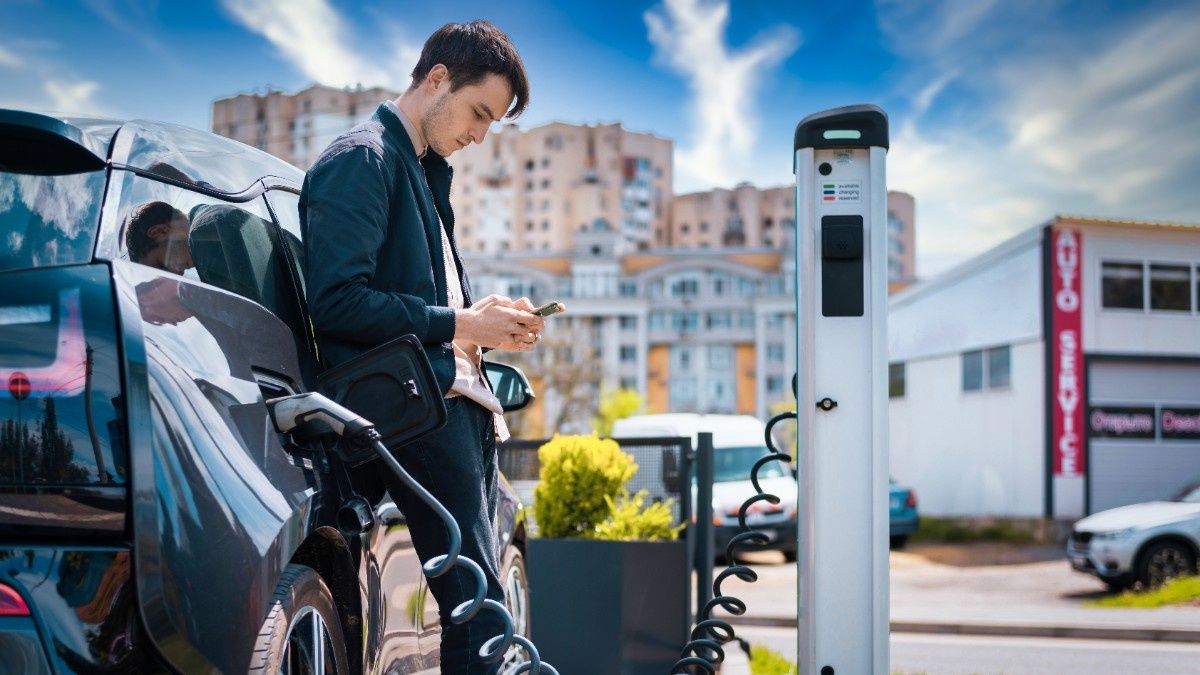
Electric charging systems are the infrastructure and technologies that deliver electrical energy to rechargeable batteries used in electric vehicles (EVs), electric two-wheelers, buses, and other battery-powered equipment. These systems exist to replace or reduce reliance on fossil fuels by enabling mobility and operations powered by electricity instead of combustion engines.
At a basic level, an electric charging system includes a power source, charging equipment, control software, and safety mechanisms. Together, these elements manage how electricity flows from the grid or renewable sources into a battery in a controlled and secure manner. As electric mobility expands across transport, logistics, and personal travel, charging systems act as the backbone that makes daily use possible.
Importance
Electric charging systems matter because they directly influence how practical and scalable electric mobility can be. Without accessible and reliable charging, electric vehicles cannot function as everyday transportation tools.
This topic affects:
-
Individual EV owners who depend on predictable charging access
-
Fleet operators managing multiple electric vehicles
-
Urban planners designing sustainable transport systems
-
Energy providers balancing electricity demand and grid stability
Charging systems help solve several modern challenges:
-
Reducing air pollution from transport emissions
-
Lowering dependence on imported fossil fuels
-
Supporting integration of renewable energy sources
-
Enabling quieter, more energy-efficient transportation
From slow residential charging to high-power fast charging corridors, the design and availability of charging systems shape user behavior, travel patterns, and long-term adoption of electric technology.
Recent Updates
In recent months, electric charging systems have seen notable technical and operational developments. Fast-charging hardware has improved power delivery efficiency, allowing batteries to reach usable charge levels more quickly while managing heat more effectively.
Key trends observed recently include:
-
Wider deployment of smart charging systems that adjust power based on grid load
-
Increased use of open communication protocols for charger-to-vehicle interaction
-
Expansion of ultra-fast DC charging for long-distance travel routes
-
Better integration of renewable energy and on-site energy storage
Another important update is the growing focus on reliability and uptime. Charging networks are increasingly monitored through cloud platforms that detect faults early and support remote maintenance. These improvements aim to reduce downtime and improve user confidence in charging infrastructure.
Laws or Policies
Electric charging systems are influenced by regulatory frameworks and public programs designed to encourage cleaner transportation and energy efficiency. Rather than focusing on a single region, many policies globally follow similar principles.
Common regulatory themes include:
-
Technical standards for charger safety and interoperability
-
Building guidelines that require charging-ready infrastructure
-
Energy regulations that support grid-friendly charging behavior
-
Public-sector programs encouraging deployment of charging networks
Policies often emphasize standardized connectors, transparent data sharing, and electrical safety requirements. These measures help ensure that charging systems remain compatible across manufacturers and safe for widespread public use, while also supporting long-term sustainability goals.
Tools and Resources
A variety of digital tools and informational resources help users, planners, and technicians understand and manage electric charging systems more effectively.
Helpful tools and platforms include:
-
Charging station locator apps that map available chargers
-
Energy management dashboards for monitoring charging activity
-
Battery and charging calculators for estimating energy needs
-
Open protocol documentation for charging communication standards
Educational resources such as technical guides, research publications, and grid-integration studies also play an important role. These materials help explain charging speeds, connector types, load management, and future infrastructure planning in clear and accessible terms.
Key Types of Electric Charging Systems
| Charging Type | Typical Power Range | Common Use Case |
|---|---|---|
| AC Slow Charging | Low to medium | Homes, workplaces |
| AC Fast Charging | Medium | Public parking areas |
| DC Fast Charging | High | Highways, transit hubs |
| Smart Charging | Variable | Grid-optimized environments |
This table highlights how different charging systems serve different needs, from overnight charging to rapid top-ups during long trips.
Frequently Asked Questions
What is the difference between AC and DC charging?
AC charging supplies alternating current to the vehicle, which is then converted by the vehicle’s onboard charger. DC charging delivers direct current straight to the battery, allowing faster charging rates.
How does smart charging work?
Smart charging uses software and communication systems to adjust charging power based on factors such as grid demand, energy availability, and user preferences.
Are electric charging systems safe?
Yes. Charging systems are designed with multiple safety layers, including insulation, grounding, automatic shut-off, and continuous monitoring to prevent faults.
Can charging systems support renewable energy?
Many modern systems can integrate with renewable sources like solar or wind, either directly or through grid-level energy management systems.
Why do charging speeds vary?
Charging speed depends on charger power, battery capacity, battery condition, and thermal limits. Vehicles and chargers communicate to select a safe charging rate.
Charging System Components at a Glance
-
Power supply and grid connection
-
Charging hardware and connectors
-
Control and communication software
-
Safety and protection mechanisms
-
User interface and monitoring tools
Understanding these components helps clarify how charging systems function as coordinated technical ecosystems rather than standalone devices.
Conclusion
Electric charging systems are a foundational element of modern electric mobility and energy transition efforts. They enable the practical use of electric vehicles, support environmental objectives, and connect transportation with evolving energy networks.
As technology advances, charging systems continue to become faster, smarter, and more reliable. Clear standards, supportive policies, and accessible tools all contribute to building trust and usability for a broad audience. With ongoing improvements in efficiency, interoperability, and grid integration, electric charging systems are positioned to remain a central part of sustainable infrastructure development.