Eco Interior Design: A Complete Guide to Sustainable Spaces With Tips, Insights & Useful Resources
Eco interior design refers to designing indoor spaces using sustainable materials, energy-conscious approaches, low-impact practices, and indoor environmental quality principles. It exists as a response to global environmental concerns such as resource depletion, carbon emissions, indoor pollution, and long-term ecological impact.
This approach focuses on materials that are renewable, recycled, non-toxic, and responsibly sourced. It also considers energy efficiency, waste reduction, water use, longevity of products, and the health of occupants.
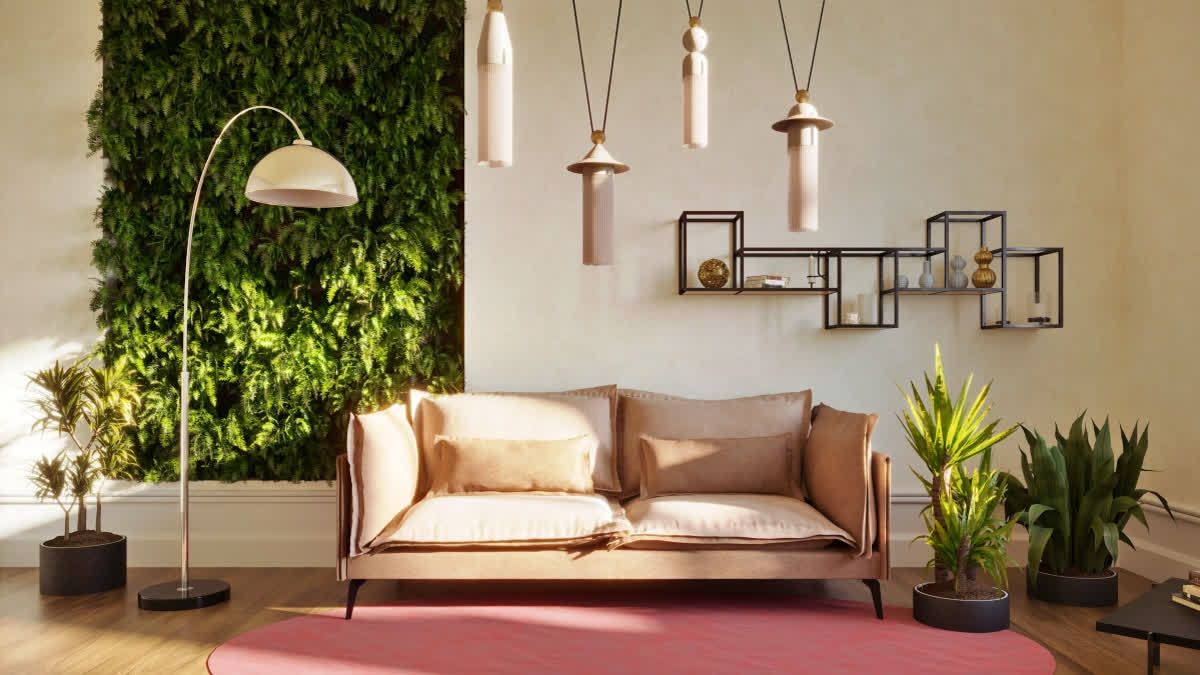
Eco interior design has evolved from a niche concept to a widely recognized practice, supported by advances in green technology, environmental research, and sustainable architecture. As consumers and industries become more aware of climate impacts, eco-friendly design choices have become an integral part of modern living spaces across homes, workplaces, hospitality, and educational environments.
Importance
Eco interior design matters today because indoor spaces directly influence human health, environmental footprint, and long-term sustainability outcomes.
It affects homeowners, architects, designers, builders, facility managers, students, and anyone involved in creating or maintaining indoor environments.
Its importance is shaped by several key issues:
-
Indoor Air Quality (IAQ): Conventional interiors often contain volatile organic compounds (VOCs), synthetic coatings, and chemically treated materials, all of which can affect indoor health. Eco materials help reduce exposure to pollutants.
-
Resource Efficiency: Sustainable materials reduce strain on forests, water systems, and energy resources.
-
Climate Impact: Energy-efficient interiors lower carbon emissions and support global climate goals.
-
Waste Reduction: Durable and recyclable materials reduce landfill waste and improve circular material use.
-
Health and Well-Being: Natural lighting, plant-based elements, and ergonomic design contribute to comfort and mental well-being.
High-value informational keywords relevant to this importance include “sustainable interior materials,” “environmental impact,” “indoor air quality standards,” “green building practices,” “energy efficiency insights,” and “eco-friendly home improvement.”
Eco interior design ultimately solves problems such as long-term environmental damage, unhealthy indoor conditions, excessive energy use, and unsustainable material consumption.
Recent Updates
The past year has seen new interest, research, and policy movements that influence eco interior design.
-
2024–2025 growth in sustainable materials: Bamboo composites, recycled wood panels, bio-based resins, plant-based paints, and natural insulation materials gained popularity due to consumer demand and improved production technologies.
-
Indoor air quality monitoring trends (2024): More households and public buildings adopted real-time IAQ sensors, reflecting increased concern about pollutants, humidity levels, and ventilation performance.
-
Global certifications updates (2024–2025): Green building certifications such as LEED v4.1 and WELL updated guidelines for material transparency, thermal comfort, and biophilic elements.
-
Rise of energy-efficient lighting (2025): LED technologies continued to expand, with new efficiency ratings encouraging their integration into residential and commercial interiors.
-
Biophilic design awareness (2024–2025): Studies published in 2024 reinforced the positive effects of natural elements on cognitive performance and mental well-being, making indoor plants, daylight optimization, and natural textures more common in interiors.
Laws and Policies Influencing Eco Interior Design
Eco interior design is shaped by environmental regulations, building codes, sustainability frameworks, and government initiatives.
These policies commonly relate to:
-
Energy Efficiency Standards: Many regions follow energy codes that set requirements for lighting efficiency, insulation quality, ventilation systems, and appliance performance.
-
Indoor Air Quality Guidelines: Regulations often specify limits on VOC emissions from paints, adhesives, flooring, and composite materials.
-
Green Building Certifications: Programs like LEED, EDGE, WELL, and BREEAM encourage sustainable interiors through point-based systems focused on environmental performance.
-
Waste Management Rules: Construction and demolition waste guidelines promote recycling, reuse, and responsible disposal of interior materials.
-
Sustainable Material Policies: Some countries promote certified timber, recyclable materials, and formaldehyde-free wood products through environmental compliance programs.
Such regulations help ensure that interiors align with public health standards and environmental protection goals while encouraging adoption of eco-conscious practices.
Tools and Resources
A variety of tools, calculators, databases, and guides support eco interior design planning and decision-making.
Design and Sustainability Tools
-
LEED Project Guide – Offers frameworks for sustainable interiors based on global standards.
-
EDGE Building Calculator – Helps evaluate energy, water, and material efficiency.
-
WELL Building Standard Resources – Provides health-focused design guidelines.
-
Home Energy Rating Tools – Assist in identifying energy-efficient improvements.
Material Databases
-
Green Products Certification Lists – Databases of low-VOC paints, certified timber, recycled materials, and natural finishes.
-
Material Safety Data Sheets (MSDS) – Helps users review composition and environmental impact.
Indoor Air Quality Tools
-
IAQ monitoring apps and devices for tracking humidity, carbon dioxide levels, particulate matter, and ventilation performance.
Planning Templates
-
Room planning worksheets
-
Sustainability checklists
-
Lighting layout templates
-
Material comparison tables
-
Low-VOC paint selection guides
These tools help users evaluate options, understand environmental impacts, and organize eco-conscious interior decisions.
Example Table: Eco Interior Materials Comparison
| Material Type | Key Feature | Environmental Benefit | Typical Use Areas |
|---|---|---|---|
| Bamboo | Fast-renewing natural resource | Lower ecological footprint | Flooring, furniture, panels |
| Recycled Wood | Minimizes waste | Reduces demand for new timber | Walls, cabinets, décor |
| Lime Plaster | Natural and breathable | Improves indoor air quality | Walls and ceilings |
| LED Lighting | High energy efficiency | Reduces electricity consumption | All interior spaces |
| Organic Textiles | Non-synthetic fibers | Lower chemical processing | Upholstery, curtains, rugs |
Frequently Asked Questions
What makes a material eco-friendly?
Eco-friendly materials use renewable, recycled, non-toxic, or low-impact components. They typically avoid harmful chemicals, have lower emissions, and contribute to long-term environmental health.
How does eco interior design improve indoor air quality?
It reduces exposure to pollutants by using low-VOC paints, natural finishes, untreated wood, breathable surfaces, and improved ventilation systems. This helps decrease indoor toxins and enhances comfort.
Is eco interior design suitable for both homes and commercial spaces?
Yes. The principles are adaptable to residential areas, offices, hospitality spaces, educational buildings, and public environments. Many modern building codes support sustainable indoor practices.
What are some high-value keywords related to eco interior design?
Keywords that align with this topic include “sustainable interior design,” “eco-friendly materials,” “indoor air quality,” “green architecture insights,” “energy-efficient lighting,” “environmental sustainability,” and “renewable material innovation.”
Do eco materials require special maintenance?
Most eco materials are durable and require standard care routines. Natural materials may need protective finishes or periodic checks, but they generally offer long-lasting performance with minimal intervention.
Conclusion
Eco interior design offers a responsible and thoughtful approach to creating indoor spaces that support environmental well-being, human health, and long-term sustainability. It integrates renewable materials, efficient energy use, low-impact finishes, and nature-inspired elements to improve comfort and reduce ecological footprint.
With expanding research, updated building guidelines, and growing public awareness, eco interior design continues to evolve. Access to tools, certifications, and transparent product information makes it easier for individuals and organizations to make sustainable choices. As indoor spaces become central to daily life, eco-conscious design supports a healthier and more resilient future.