Dust Collectors Explained: Overview, Facts, Tips, and Technical Information
Dust collectors are mechanical systems designed to capture, filter, and manage airborne dust and particulate matter generated during industrial, commercial, and manufacturing activities. These systems are commonly used in environments where cutting, grinding, sanding, drilling, or material handling produces fine dust that can spread into the air.
The primary purpose of a dust collection system is to improve air quality by removing suspended particles before they accumulate in workspaces or escape into the surrounding environment. Without proper dust control, airborne particles can interfere with machinery performance, reduce visibility, contaminate products, and pose health concerns for people exposed to them over time.
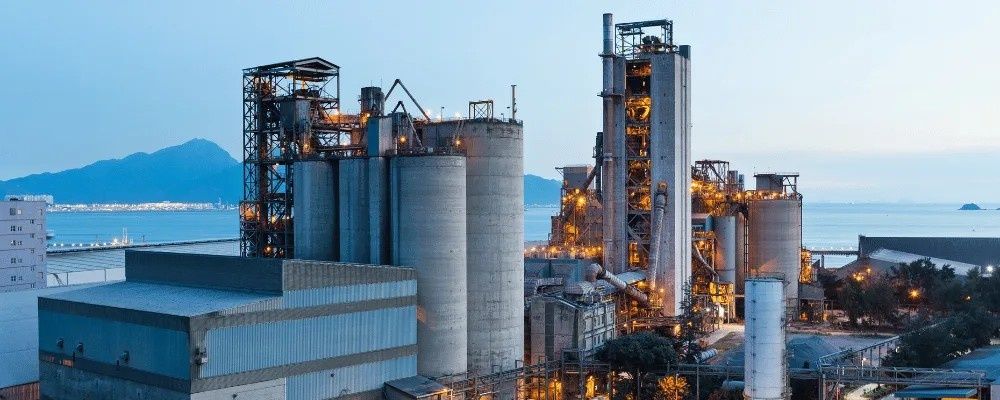
Dust collectors exist because modern production processes rely on speed, precision, and material efficiency. As production volumes increase, so does dust generation. Managing this byproduct has become a fundamental part of maintaining controlled and functional work environments.
Why Dust Collection Matters in Modern Environments
Dust collection plays a critical role in protecting people, processes, and equipment across many industries. Airborne dust is often invisible to the naked eye, yet it can have long-term effects if not properly controlled.
Dust collectors help address several key challenges, including:
-
Maintaining indoor air quality in enclosed spaces
-
Reducing exposure to fine particulate matter
-
Preventing dust accumulation on machinery and surfaces
-
Supporting consistent production quality
-
Minimizing fire and explosion risks linked to combustible dust
Industries such as woodworking, metal fabrication, cement processing, pharmaceuticals, food processing, and chemical manufacturing rely on dust collectors to maintain safe and stable operations. Educational institutions and research facilities also use smaller systems to control laboratory dust.
From an operational standpoint, dust collectors contribute to cleaner workflows and reduced equipment downtime. From a human perspective, they help create environments where breathing air remains clearer and more manageable over long periods of activity.
Recent Developments and Industry Trends
In recent months, dust collection technology has continued to evolve in response to efficiency, sustainability, and monitoring requirements. Manufacturers have focused on improving filtration performance while reducing energy usage and maintenance complexity.
Notable trends include:
-
Increased use of high-efficiency cartridge filters for finer particle capture
-
Integration of sensor-based monitoring to track airflow and filter condition
-
Improved pulse-jet cleaning mechanisms for longer filter life
-
Greater emphasis on modular system design for scalability
-
Adoption of digital dashboards for performance visibility
Another noticeable development is the growing focus on dust classification and source-specific collection. Instead of relying on one centralized system, many facilities now use localized collectors placed closer to dust-generating equipment. This approach improves capture efficiency and reduces overall air movement requirements.
Regulations, Standards, and Policy Influence
Dust collectors are shaped by workplace safety standards, environmental protection guidelines, and industrial air quality regulations. These frameworks typically define acceptable limits for airborne particulate matter and require facilities to implement appropriate dust control measures.
Key regulatory influences include:
-
Occupational exposure limits for respirable dust
-
Environmental emission thresholds for particulate release
-
Guidelines for handling combustible dust materials
-
Inspection and reporting requirements for air filtration systems
While specific rules vary by region, the general objective is consistent: reduce airborne dust to levels that protect human health and prevent environmental contamination. Dust collection systems are often evaluated as part of broader safety audits and compliance assessments.
Common Types of Dust Collectors and Their Characteristics
Different applications require different dust collection designs. The table below outlines commonly used system types and their general features.
| Dust Collector Type | Typical Application Areas | Key Characteristics |
|---|---|---|
| Baghouse Collectors | Cement, power plants | High capacity, fabric filter bags |
| Cartridge Collectors | Manufacturing workshops | Compact design, fine filtration |
| Cyclone Separators | Wood and grain handling | Uses centrifugal force |
| Wet Scrubbers | Chemical processing | Captures dust using liquid |
| Portable Collectors | Small workspaces | Flexible and mobile |
Each type addresses dust control differently, depending on particle size, airflow volume, and environmental conditions.
Tools, Platforms, and Practical Resources
Several tools and resources support understanding, maintaining, and optimizing dust collection systems. These are commonly used for educational, technical, and operational purposes.
Helpful resources include:
-
Airflow calculation tools for duct design
-
Filtration efficiency reference charts
-
Dust hazard analysis templates
-
Equipment maintenance scheduling checklists
-
Industrial ventilation design handbooks
-
Online particulate matter measurement guides
Digital monitoring tools are increasingly used to track pressure drop, airflow consistency, and filter condition. These resources help ensure systems operate within intended performance ranges and support preventive maintenance planning.
Key Technical Concepts Explained Simply
Dust collectors rely on a combination of airflow management and filtration principles. Understanding a few core concepts helps clarify how these systems function.
Important technical elements include:
-
Airflow velocity: Determines how effectively dust is captured at the source
-
Static pressure: Measures resistance within ducts and filters
-
Filtration media: Material used to trap dust particles
-
Pulse cleaning: Mechanism that removes accumulated dust from filters
-
Dust discharge: Method for safely removing collected material
Balancing these elements ensures that dust collectors operate efficiently without excessive energy use or reduced capture performance.
Frequently Asked Questions About Dust Collectors
What types of dust require collection systems?
Dust collectors are used for fine powders, wood dust, metal particles, grain dust, and other airborne particulates generated during processing or handling.
How often do dust collector filters need attention?
Filter attention depends on dust load, operating hours, and system design. Monitoring pressure changes helps determine when maintenance is needed.
Can dust collectors handle hazardous dust?
Yes, when properly designed and configured. Specialized systems are used for combustible, toxic, or fine particulate dust.
Are dust collectors only used in large industries?
No. Smaller workshops, laboratories, and educational facilities also use compact dust collection systems.
What happens to the collected dust?
Collected dust is typically stored in containers or hoppers for controlled disposal or recycling, depending on material type.
Visual Representation of Dust Collection Workflow
| Process Stage | Description |
|---|---|
| Dust Generation | Particles released during material processing |
| Capture Point | Dust drawn into hood or inlet |
| Filtration | Particles separated from airflow |
| Clean Air Return | Filtered air released back |
| Dust Storage | Collected material contained |
This flow illustrates how dust moves from source to containment through the system.
Conclusion
Dust collectors are an essential part of managing airborne particulate matter in modern working environments. They exist to support cleaner air, safer conditions, and more controlled industrial processes. As technology advances, dust collection systems continue to become more efficient, measurable, and adaptable to different operational needs.
Understanding their purpose, importance, and technical basics helps organizations and individuals recognize why dust control remains a critical element of industrial infrastructure. With proper design, monitoring, and maintenance, dust collectors contribute to healthier spaces and more reliable operations across a wide range of applications.