Drone Delivery Systems: An Explore Guide to Basics, Insights, and Practical Knowledge
Drone delivery systems refer to the use of unmanned aerial vehicles to transport small to medium-sized items from one location to another without a human pilot on board. These systems combine aircraft design, navigation software, communication networks, and ground control tools to complete deliveries through the air.
The idea exists because traditional ground-based delivery faces limits such as traffic congestion, difficult terrain, long travel times, and limited access to remote areas. By moving goods through air routes, drone delivery systems aim to create faster, more direct delivery paths while reducing dependence on roads and vehicles.
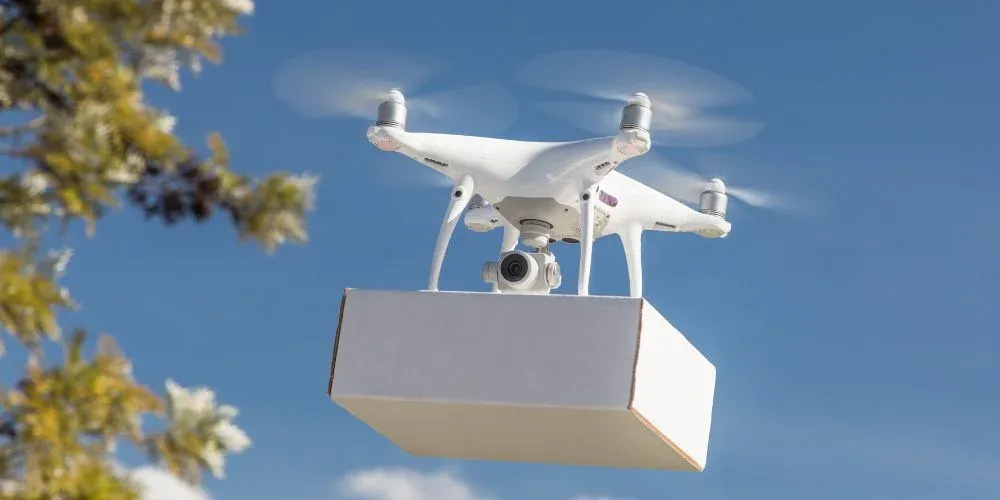
At a basic level, a drone delivery system includes the drone itself, a navigation and control platform, landing or drop-off mechanisms, and monitoring software. Together, these components allow items like documents, medical supplies, or lightweight packages to be transported with minimal human intervention.
Importance
Drone delivery systems matter today because logistics and distribution needs are growing rapidly across many sectors. Urbanization, remote-area connectivity, and demand for rapid fulfillment have created pressure on existing delivery infrastructure.
Key groups affected include:
-
Communities in hard-to-reach or rural areas
-
Healthcare providers needing urgent transport of supplies
-
Urban regions facing traffic congestion
-
Organizations focused on logistics efficiency and automation
Problems addressed by drone delivery systems include:
-
Delays caused by road traffic and poor infrastructure
-
Limited access to essential goods in isolated locations
-
High environmental impact from traditional delivery vehicles
-
Inefficiencies in last-mile delivery operations
High-value concepts often discussed in this field include autonomous aerial logistics, last-mile delivery optimization, smart mobility systems, and unmanned traffic management, which are widely referenced in research and policy discussions.
Recent Updates
In recent months, drone delivery systems have seen steady technical and operational changes. Improvements in battery density have extended average flight ranges, allowing drones to cover longer distances without recharging. Advances in obstacle detection using sensors and computer vision have also increased operational safety.
Another noticeable trend has been the expansion of controlled pilot programs. These programs test delivery routes, payload handling, and automated landing systems under supervised conditions. Data collected from these trials is often used to refine flight planning algorithms and improve reliability.
Integration with digital logistics platforms has also progressed. Modern systems increasingly link drones with inventory tracking, route optimization software, and real-time monitoring dashboards. This helps operators understand performance patterns such as average delivery time, energy use, and system reliability.
Laws or Policies
Drone delivery systems are closely influenced by aviation and airspace regulations. Most regulatory frameworks classify delivery drones as unmanned aircraft and require adherence to safety, registration, and operational standards.
Common regulatory considerations include:
-
Altitude and flight-path limitations
-
Requirements for remote identification and tracking
-
Restrictions on flying over populated areas
-
Operator certification and system testing rules
Public programs and regulatory sandboxes are often used to allow controlled experimentation. These frameworks aim to balance innovation with public safety, privacy, and airspace management. Policies continue to evolve as authorities gain more data from real-world operations.
Tools and Resources
Several tools and digital resources support understanding and managing drone delivery systems. These tools are commonly used for planning, simulation, and monitoring rather than commercial promotion.
Helpful categories include:
-
Flight planning software for route design and airspace awareness
-
Drone traffic management platforms for coordinating multiple aircraft
-
Battery performance calculators to estimate flight endurance
-
Simulation tools for testing delivery scenarios virtually
-
Educational portals and research libraries covering unmanned aviation systems
These resources help users explore concepts such as autonomous navigation, payload optimization, and system safety without requiring physical deployment.
Key Components Overview (Table)
| Component | Purpose | Practical Role |
|---|---|---|
| Airframe | Physical structure | Supports payload and flight stability |
| Navigation System | Position and routing | Enables accurate autonomous movement |
| Communication Link | Data exchange | Connects drone with control systems |
| Payload Module | Item handling | Secures and releases deliveries |
| Monitoring Software | Oversight | Tracks performance and safety |
FAQs
What types of items are suitable for drone delivery systems?
Drone delivery systems are generally designed for lightweight and compact items such as documents, medical samples, or essential supplies that fit within payload limits.
How do drone delivery systems navigate accurately?
They rely on satellite positioning, onboard sensors, and software algorithms that continuously adjust the flight path based on location data and obstacle detection.
Are drone delivery systems fully autonomous?
Many systems are semi-autonomous, meaning they fly automatically but remain under human supervision through monitoring platforms.
What are the main safety concerns?
Safety considerations include collision avoidance, secure communication links, reliable landing mechanisms, and compliance with airspace rules.
How do weather conditions affect operations?
Strong winds, heavy rain, or poor visibility can limit flights, as most delivery drones operate within defined environmental conditions for safety.
Conclusion
Drone delivery systems represent an evolving approach to moving goods through the air using autonomous technology. They exist to address challenges in speed, access, and efficiency that traditional delivery methods often face. Through ongoing technical improvements, regulatory refinement, and careful testing, these systems continue to gain attention as part of broader discussions on smart logistics and aerial mobility.
Understanding the context, importance, regulatory environment, and supporting tools helps readers build practical knowledge without overstating capabilities. As development continues, drone delivery systems remain a significant topic within modern transportation and logistics conversations.