Dough Kneading Machines: Complete Guide, Basics & Key Insights
Dough kneading machines are mechanical devices designed to mix and knead dough for bread, pizza, pastries, and other baked products. They replace or assist manual kneading by using rotating arms, hooks, or paddles to combine flour, water, yeast, and other ingredients into a uniform, elastic dough.
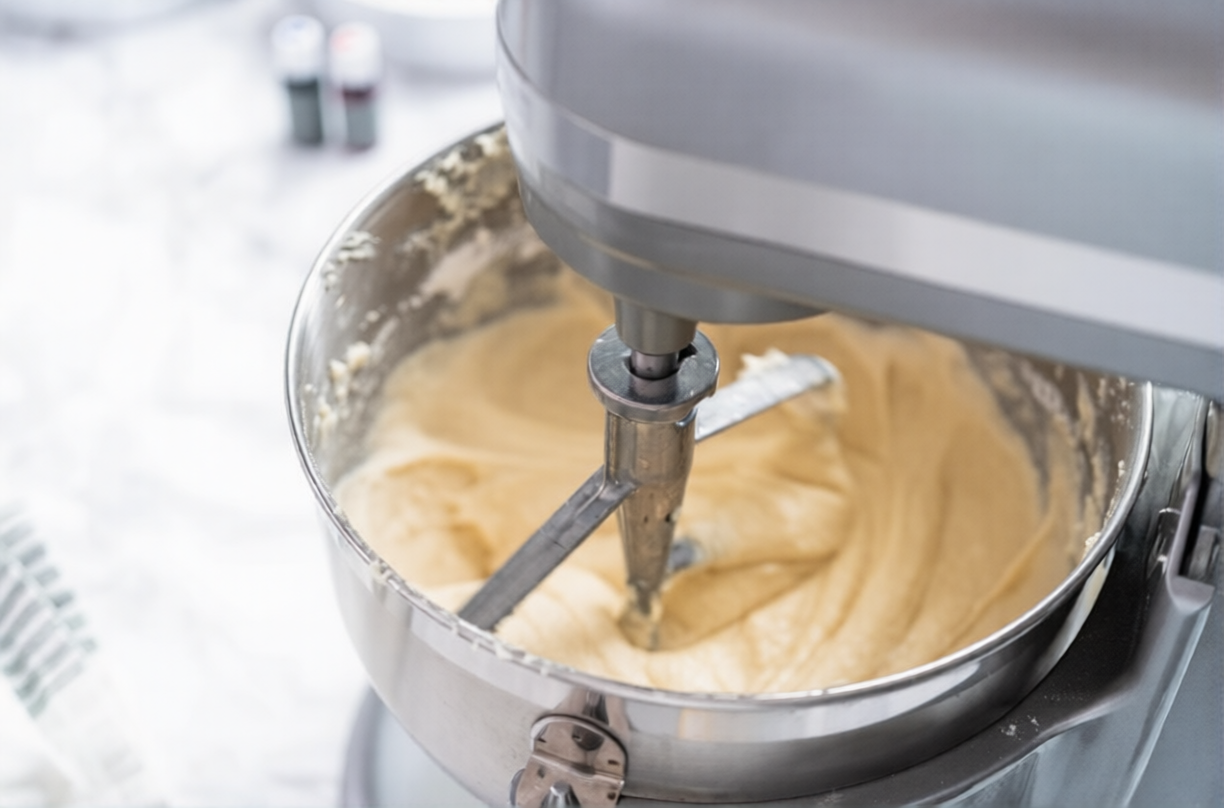
Kneading is a critical step in baking because it develops gluten, which gives dough its structure and texture. In small kitchens, this process may be done by hand. However, in commercial bakeries and food processing units, consistent kneading is essential for product quality and operational efficiency. Dough kneading machines were developed to standardize this process and handle larger quantities of dough with consistent results.
There are several common types of machines:
-
Spiral mixers – Designed mainly for bread and pizza dough, offering gentle yet effective gluten development.
-
Planetary mixers – Versatile machines used for dough, batter, and cream mixing.
-
Horizontal mixers – Suitable for large-scale industrial dough production.
These machines are widely classified under commercial bakery equipment and industrial food processing machinery.
Why Dough Kneading Machines Matter Today
The food industry is experiencing rapid modernization, and automation is playing a key role. Dough kneading machines are important because they improve consistency, efficiency, and hygiene in food production environments.
They affect:
-
Commercial bakeries
-
Quick-service restaurants
-
Institutional kitchens
-
Food manufacturing units
-
Hospitality and catering sectors
Manual kneading can be physically demanding and time-consuming. Machines reduce physical strain and help maintain uniform dough quality across batches. In high-volume settings, this consistency ensures that bread texture, fermentation behavior, and baking performance remain predictable.
The table below compares manual kneading and machine kneading in practical terms:
| Factor | Manual Kneading | Dough Kneading Machine |
|---|---|---|
| Batch Consistency | Variable | High and uniform |
| Production Speed | Moderate | Faster for large volumes |
| Labor Intensity | High | Reduced physical effort |
| Scalability | Limited | Suitable for industrial use |
| Hygiene Control | Depends on handling | Controlled mixing environment |
As food production standards rise, automated dough mixers are increasingly viewed as essential commercial kitchen equipment. They help reduce waste caused by inconsistent mixing and improve overall process efficiency.
Recent Developments and Industry Trends
Recent developments in dough kneading machines reflect broader trends in industrial automation and energy efficiency.
Key updates observed over the past year include:
-
Digital control panels: Many new industrial dough mixers now include programmable settings for speed, timing, and mixing cycles.
-
Energy-efficient motors: Manufacturers are focusing on reducing power consumption to meet sustainability targets.
-
Improved stainless steel designs: Enhanced hygiene standards have led to smoother surfaces and easier cleaning mechanisms.
-
IoT-enabled monitoring: Some advanced systems allow performance tracking and preventive maintenance alerts.
Automation is also expanding into smart commercial bakery equipment that integrates mixing, fermentation control, and production scheduling. This reduces downtime and enhances traceability in food manufacturing.
A simple trend comparison is shown below:
| Feature Trend | Earlier Models | Recent Models |
|---|---|---|
| Speed Control | Manual switch | Programmable digital |
| Safety Interlock Systems | Basic lid switch | Multi-point safety sensors |
| Maintenance Monitoring | Manual checks | Automated alerts |
| Energy Optimization | Standard motor | Energy efficient motor design |
These innovations are aligned with modern food processing compliance requirements and digital transformation across the food industry.
Regulations and Compliance Considerations
Dough kneading machines fall under broader food safety and machinery compliance frameworks. While specific rules vary by country, general regulatory themes include:
-
Food safety compliance standards
-
Occupational safety requirements
-
Electrical and mechanical safety certifications
-
Hygiene and sanitation guidelines
Food processing machinery must be constructed using food-grade materials, typically stainless steel, to prevent contamination. Surfaces that come into contact with dough should be non-reactive and easy to sanitize.
In many regions, bakery and food manufacturing facilities must comply with national food safety authorities that regulate:
-
Equipment cleanliness
-
Safe operating procedures
-
Employee training
-
Hazard control systems
Workplace safety policies often require protective guards, emergency stop buttons, and safety interlock systems on industrial dough mixers. These measures help reduce mechanical injury risks and support occupational health compliance.
Environmental policies may also influence machine design, encouraging energy-efficient machinery and reduced carbon footprint operations.
Tools and Resources for Better Understanding
Several tools and resources can help users evaluate and manage dough kneading machines effectively.
Useful tools include:
-
Dough hydration calculators: Help determine water-to-flour ratios for consistent texture.
-
Batch size conversion charts: Assist in scaling recipes for commercial production.
-
Energy consumption estimators: Useful for planning power usage in industrial kitchens.
-
Preventive maintenance checklists: Ensure long-term machine performance.
-
Food safety compliance templates: Support documentation for inspections and audits.
Some widely used digital platforms in food processing management include:
-
Production scheduling software
-
HACCP documentation tools
-
Equipment maintenance tracking systems
These tools improve operational planning and ensure adherence to food processing compliance standards.
Below is a simple example of a dough hydration reference table:
| Flour (kg) | Water (liters) | Hydration % |
|---|---|---|
| 10 | 6 | 60% |
| 10 | 6.5 | 65% |
| 10 | 7 | 70% |
Such tools are particularly helpful in commercial bakery environments where precision affects final product quality.
Frequently Asked Questions
What is the main function of a dough kneading machine?
A dough kneading machine mixes ingredients and develops gluten structure by mechanically stretching and folding the dough. This results in improved elasticity and uniform texture.
How is a spiral mixer different from a planetary mixer?
A spiral mixer is mainly designed for bread and pizza dough and rotates both the bowl and the spiral hook. A planetary mixer has a stationary bowl with an attachment that moves in a planetary motion, making it suitable for multiple mixing tasks.
Are dough kneading machines suitable for small kitchens?
Yes, smaller capacity models are available for limited production environments. Larger horizontal mixers are generally used in industrial food processing units.
What safety features are typically included?
Modern machines include safety guards, emergency stop buttons, overload protection, and lid interlock systems to meet occupational safety standards.
How often should maintenance be performed?
Maintenance schedules vary depending on usage frequency. Regular inspection of moving parts, lubrication systems, and electrical components is recommended to maintain operational safety and efficiency.
Conclusion
Dough kneading machines play a vital role in modern baking and food production. By standardizing the kneading process, they enhance consistency, improve hygiene, and support higher production volumes. As commercial bakery equipment continues to evolve, features such as digital controls, energy-efficient motors, and safety enhancements are becoming more common.
Compliance with food safety regulations and workplace safety standards remains essential when operating industrial dough mixers. With proper maintenance and the use of supportive tools such as hydration calculators and compliance templates, these machines contribute to efficient and reliable food processing systems.