Discover Switchgear Testing Machines: Insights, Details, and Practical Tips
Switchgear testing machines are specialized electrical testing systems used to examine the performance, safety, and reliability of switchgear assemblies. Switchgear refers to the combination of electrical disconnects, circuit breakers, fuses, and protective devices that control, protect, and isolate electrical equipment in power systems.
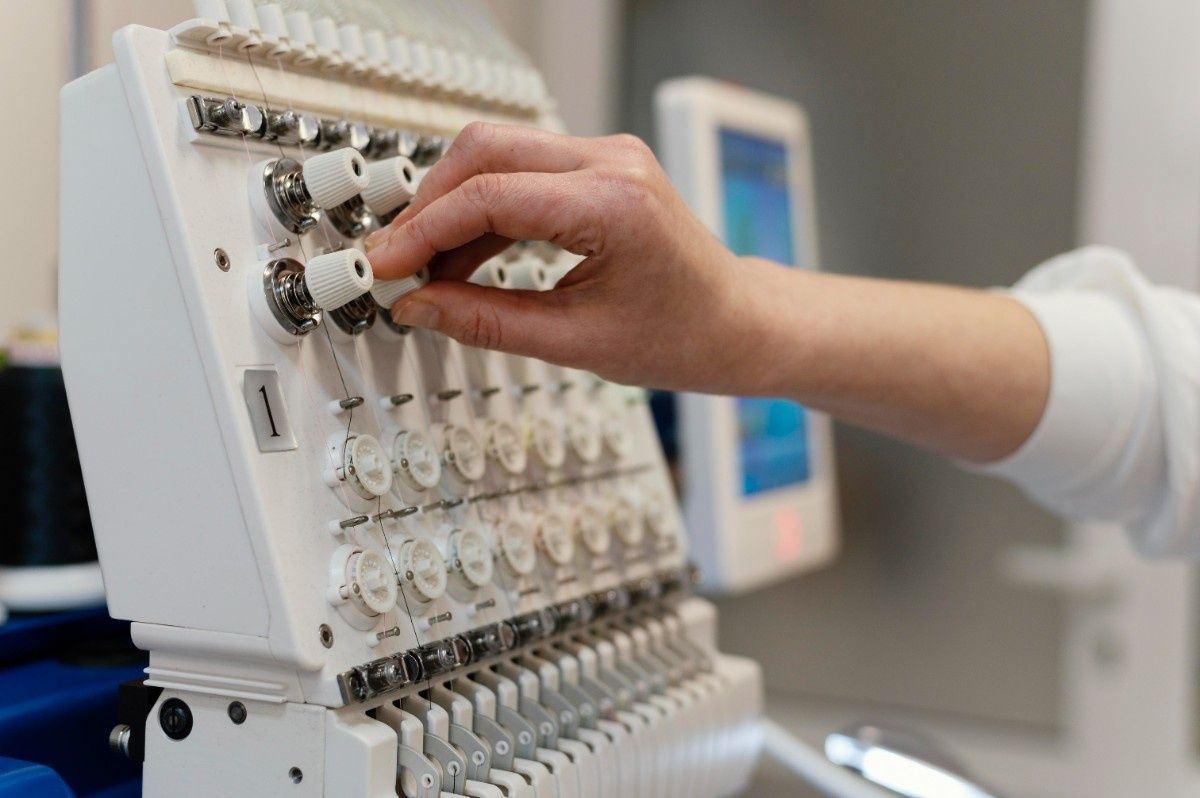
These machines exist because electrical networks operate under high voltage and current conditions. Even small defects in insulation, contacts, or control mechanisms can lead to faults, outages, or hazards. Testing machines simulate real operating conditions to verify that switchgear behaves as expected before installation and during its operational life.
At a basic level, switchgear testing machines help answer critical questions:
-
Can the switchgear safely handle normal and fault conditions?
-
Does it meet defined technical standards?
-
Will it perform reliably over time?
Without systematic testing, electrical infrastructure would face higher risks of failure, reduced reliability, and safety concerns.
Importance: Why This Topic Matters Today
Switchgear testing machines matter because modern societies depend heavily on uninterrupted electrical power. From residential buildings to industrial plants and data centers, reliable switchgear is essential for maintaining system stability.
This topic affects:
-
Power utilities managing transmission and distribution networks
-
Industrial facilities operating heavy electrical loads
-
Infrastructure projects such as transportation systems and hospitals
-
Technicians and engineers responsible for system safety
The problems these machines help solve include:
-
Early detection of insulation weaknesses
-
Verification of protection system performance
-
Reduction of unplanned electrical faults
-
Improved safety for personnel and equipment
As electrical systems become more complex and compact, testing accuracy becomes increasingly important. Testing machines provide measurable data that supports informed decisions about maintenance, upgrades, and system design.
Recent Updates: Changes and Trends in the Field
In recent months, several notable developments have shaped the use of switchgear testing machines. Digital measurement technologies are becoming more common, allowing higher precision and better data storage. Many modern systems now include automated test sequences, reducing manual intervention and improving repeatability.
Another trend is the increased use of condition-based testing. Instead of relying only on fixed schedules, testing machines are now used alongside sensors and monitoring systems to assess actual equipment condition. This approach supports predictive maintenance strategies.
There has also been growing attention to environmental considerations. Testing machines are increasingly designed to support eco-friendly switchgear technologies, such as alternatives to traditional insulating media, while still maintaining rigorous safety verification.
Laws or Policies: How Regulations Influence Testing Practices
Switchgear testing machines are closely linked to technical rules and regulatory frameworks that govern electrical safety and performance. Electrical standards bodies define test methods, acceptance criteria, and documentation requirements for switchgear equipment.
Regulatory policies generally focus on:
-
Electrical safety and risk reduction
-
System reliability and fault protection
-
Compliance with standardized test procedures
Organizations operating electrical installations are typically required to demonstrate that their switchgear has been tested according to recognized standards. Testing machines help generate the objective evidence needed for audits, inspections, and technical reviews.
While regulations vary by region, the underlying goal remains consistent: ensuring that electrical systems operate safely and predictably throughout their service life.
Tools and Resources: Helpful Aids Related to Switchgear Testing
A wide range of tools and resources support the effective use of switchgear testing machines. These aids help professionals interpret results, plan tests, and maintain consistency.
Common tools and resources include:
-
High-voltage test sets for insulation verification
-
Circuit breaker analyzers for timing and motion studies
-
Partial discharge measurement instruments
-
Thermal imaging devices for detecting abnormal heating
-
Digital reporting templates for test documentation
Reference resources often used:
-
Technical standards documents
-
Manufacturer operation manuals
-
Electrical safety guidelines
-
Training materials and knowledge bases
These tools work together with testing machines to provide a comprehensive understanding of switchgear condition and performance.
Key Types of Switchgear Tests (Overview Table)
| Test Category | Purpose | Typical Outcome |
|---|---|---|
| Insulation Testing | Verify dielectric strength | Detection of insulation defects |
| Contact Resistance Testing | Measure connection quality | Identification of loose or worn contacts |
| Timing Analysis | Check operating speed | Confirmation of correct breaker operation |
| Functional Testing | Validate control circuits | Assurance of proper switching behavior |
This overview shows how different tests address specific performance and safety aspects.
Practical Tips for Understanding Test Results
Interpreting results from switchgear testing machines requires attention to trends rather than isolated values. A single reading may not indicate a problem, but gradual changes over time can signal developing issues.
Helpful practices include:
-
Comparing results with baseline measurements
-
Reviewing historical data for patterns
-
Correlating electrical results with visual inspections
-
Documenting environmental conditions during testing
Clear documentation and consistent procedures improve the long-term value of test data.
FAQs: Common Questions Answered Clearly
What is the main purpose of switchgear testing machines?
Their main purpose is to verify the safety, reliability, and performance of switchgear under defined electrical conditions.
Are these machines used only before installation?
No. They are used during manufacturing, commissioning, routine maintenance, and after fault events.
Do testing machines replace visual inspections?
They complement visual inspections. Electrical measurements provide data that cannot be seen by observation alone.
How often is switchgear typically tested?
Testing frequency depends on system importance, operating conditions, and regulatory guidance, rather than a single fixed interval.
What skills are needed to use these machines effectively?
A solid understanding of electrical principles, testing procedures, and data interpretation is essential.
Conclusion
Switchgear testing machines play a foundational role in modern electrical systems. They exist to ensure that switchgear can operate safely, reliably, and in line with established technical expectations. Their importance continues to grow as electrical networks expand and evolve.
By understanding the context, importance, recent developments, regulatory influences, and supporting tools, readers gain a clearer picture of why these machines are essential. Accurate testing supports safer infrastructure, better decision-making, and long-term system reliability, making switchgear testing machines a critical part of electrical engineering practice.