Discover Snowy Wooden Village Tour: Complete Guide, Knowledge & Tips
A snowy wooden village tour refers to travel experiences focused on visiting traditional villages built primarily with wood, located in cold, snow-covered regions. These villages are often known for their rustic architecture, cultural heritage, and natural winter landscapes. The concept has grown as travelers increasingly seek immersive, experience-based tourism rather than standard city trips.
These tours exist because they combine multiple appealing elements: scenic beauty, cultural authenticity, and seasonal experiences. Wooden villages often reflect historical construction methods adapted to cold climates, featuring insulated timber homes, sloped roofs, and compact layouts designed to withstand snow.
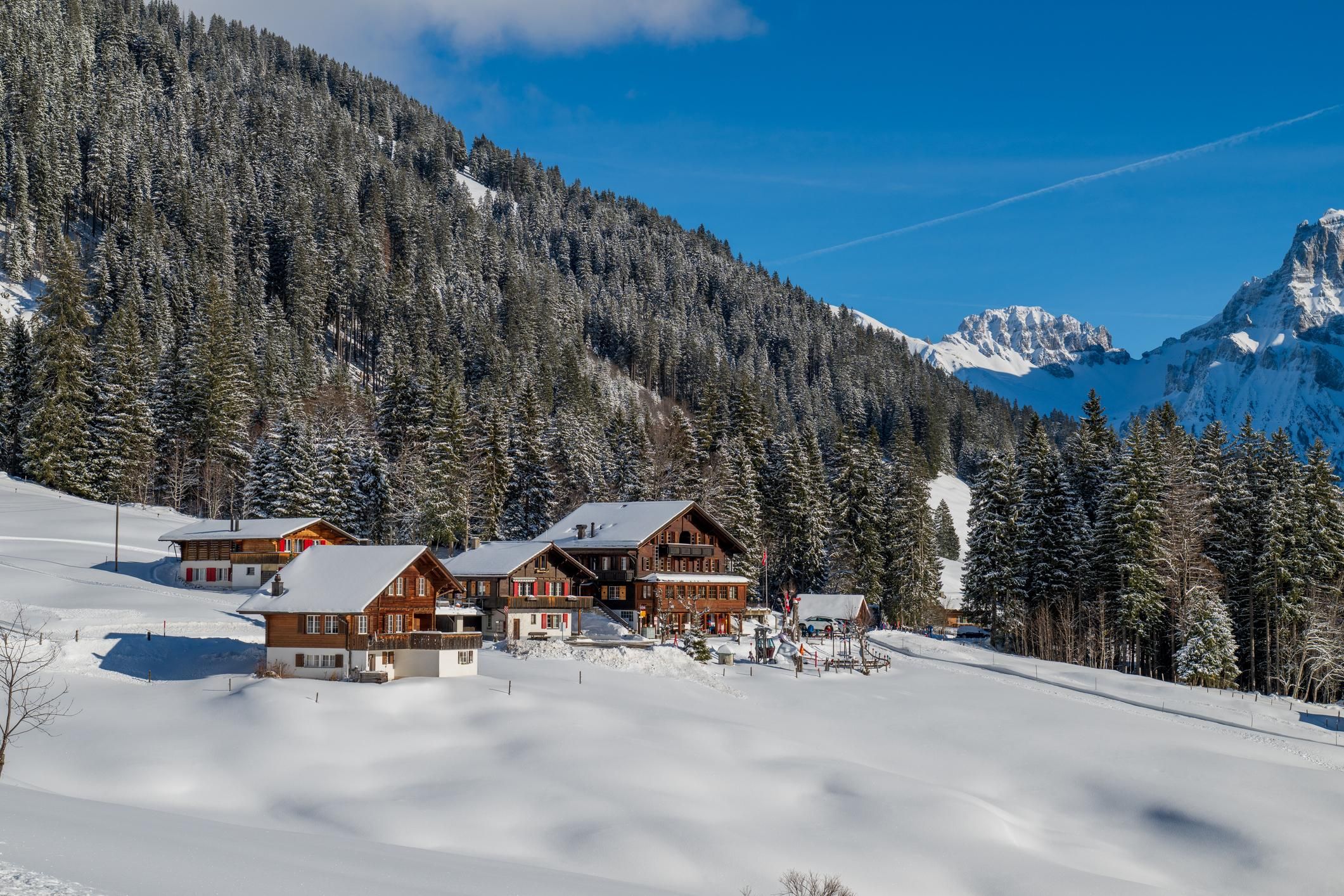
In recent years, the rise of sustainable tourism, eco travel planning, and heritage tourism experiences has further increased interest in such destinations. Travelers are drawn not only to the visual charm but also to the slower pace of life, local traditions, and connection with nature.
Importance – Why Snowy Village Tourism Matters Today
Snowy wooden village tours play an important role in modern travel trends. They appeal to a wide range of travelers, including families, photographers, cultural explorers, and those interested in luxury travel experiences or winter adventure travel.
These tours matter because they:
-
Support local tourism economies by encouraging visits to smaller, less-commercialized regions
-
Promote cultural preservation, as many villages maintain traditional crafts, architecture, and customs
-
Offer mental wellness benefits, providing a calm environment away from urban stress
-
Encourage eco-conscious travel behavior, especially in regions that prioritize sustainability
For travelers, these tours solve common travel challenges such as overcrowded destinations and repetitive itineraries. Instead of busy tourist hubs, visitors experience peaceful surroundings, unique accommodations, and authentic cultural interactions.
From a broader perspective, snowy village tourism aligns with growing interest in:
-
Travel insurance planning for winter destinations
-
Adventure travel safety guidelines
-
Digital travel guides and itinerary tools
-
High-value travel experiences that emphasize quality over quantity
Recent Updates – Trends and Developments
Snowy wooden village tourism has evolved significantly due to technological and environmental changes. Several notable trends have shaped this sector recently.
One key trend is the integration of smart tourism technology. Many remote villages now offer digital booking systems, virtual guides, and improved connectivity, making it easier for travelers to plan trips using online travel platforms and AI-powered itinerary planners.
Another important development is the focus on sustainable infrastructure. Villages are increasingly adopting eco-friendly practices such as:
-
Solar-powered heating systems
-
Sustainable timber sourcing
-
Waste reduction and recycling programs
Seasonal events and winter festivals have also gained popularity, offering visitors cultural experiences such as local cuisine, traditional music, and snow-based activities.
Additionally, there has been increased awareness around climate change impacts on winter tourism. Some regions are adapting by diversifying activities beyond snow-dependent attractions, ensuring year-round tourism viability.
Travelers are also showing more interest in remote work travel setups, where snowy villages provide peaceful environments combined with essential digital infrastructure.
Laws or Policies – Regulations and Guidelines
Snowy wooden village tours are influenced by various regulations, even though they may vary depending on the region. These rules are generally designed to ensure safety, environmental protection, and cultural preservation.
Key regulatory aspects include:
-
Environmental protection laws
Many snowy regions are located near forests or protected landscapes. Regulations often limit construction, waste disposal, and tourist activities to protect ecosystems. -
Building and heritage preservation codes
Wooden structures in traditional villages are often protected under heritage laws. Renovations must follow specific guidelines to maintain architectural authenticity. -
Tourism safety regulations
Winter travel involves risks such as snowstorms and icy conditions. Authorities may enforce safety standards related to transportation, accommodation, and emergency services. -
Travel documentation and permits
Some remote or protected areas may require permits for entry or guided access. -
Sustainability policies
Governments and local authorities may promote eco-tourism certifications and encourage responsible travel practices.
Travelers are encouraged to review official travel advisories and ensure compliance with local guidelines, especially when planning activities such as hiking, skiing, or exploring remote areas.
Tools and Resources – Helpful Platforms and Planning Aids
Planning a snowy wooden village tour can be simplified using a variety of digital tools and resources. These tools help travelers manage logistics, safety, and overall experience.
Travel Planning Tools
-
Online itinerary planners for organizing multi-day trips
-
Route mapping tools for navigating snowy terrains
-
Weather tracking platforms for real-time updates
Safety and Preparation Resources
-
Travel insurance comparison platforms
-
Winter travel safety checklists
-
Emergency contact and location-sharing apps
Accommodation and Experience Platforms
-
Digital booking systems for cabins and lodges
-
Local experience directories showcasing cultural activities
-
Virtual tours for pre-trip exploration
Packing Checklist Table
| Category | Essential Items | Notes |
|---|---|---|
| Clothing | Thermal layers, waterproof jackets | Layering is key for warmth |
| Footwear | Insulated boots with grip | Prevent slipping on ice |
| Accessories | Gloves, scarves, hats | Protect extremities |
| Tech | Power banks, GPS apps | Useful in remote areas |
| Safety | First-aid kit, flashlight | Important for emergencies |
Simple Travel Planning Flow
Destination Research → Weather Check → Accommodation Booking → Packing Preparation → Safety Review → Travel Execution
These tools and resources enhance both convenience and safety, especially for travelers unfamiliar with winter environments.
FAQs – Common Questions Answered
What is the best time to visit a snowy wooden village?
The ideal time is during peak winter months when snowfall is consistent, creating the characteristic scenic environment. However, early or late winter may offer fewer crowds.
Are snowy wooden villages suitable for families?
Yes, many villages offer family-friendly activities such as snow play areas, guided tours, and cultural workshops. Safety precautions should always be considered.
What activities can be experienced in these villages?
Common activities include snow walking, cultural tours, local food experiences, photography, and winter sports depending on the location.
How can travelers prepare for extreme cold conditions?
Preparation includes wearing layered clothing, using insulated gear, monitoring weather forecasts, and following safety guidelines for cold exposure.
Is internet connectivity available in remote snowy villages?
Connectivity varies, but many villages now provide basic internet access. It is advisable to prepare offline resources as a backup.
Conclusion
Snowy wooden village tours offer a unique blend of natural beauty, cultural heritage, and peaceful travel experiences. They represent a shift toward meaningful tourism, where travelers prioritize authenticity, sustainability, and personal enrichment.
As travel trends continue to evolve, these destinations remain relevant due to their ability to provide both relaxation and discovery. With proper planning, awareness of regulations, and use of modern tools, travelers can enjoy a safe and enriching journey.