Discover Site Lighting Trailer: Overview, Knowledge, Tips, Suggestions, and Insights Guide
A site lighting trailer is a portable system designed to provide illumination in areas where permanent lighting is not available or practical. Commonly referred to as a mobile light tower trailer or portable lighting tower trailer, this equipment is widely used in construction, infrastructure development, outdoor events, and emergency response situations. It typically includes a mast with powerful lights, a generator or battery system, and a trailer base for easy transport.
The concept of construction site lighting trailers developed as industries expanded into remote or temporary locations. Early lighting solutions relied on fixed installations, but mobility became essential as projects grew more dynamic. Today, mobile construction lighting systems are designed to be efficient, adaptable, and capable of operating in diverse environments.
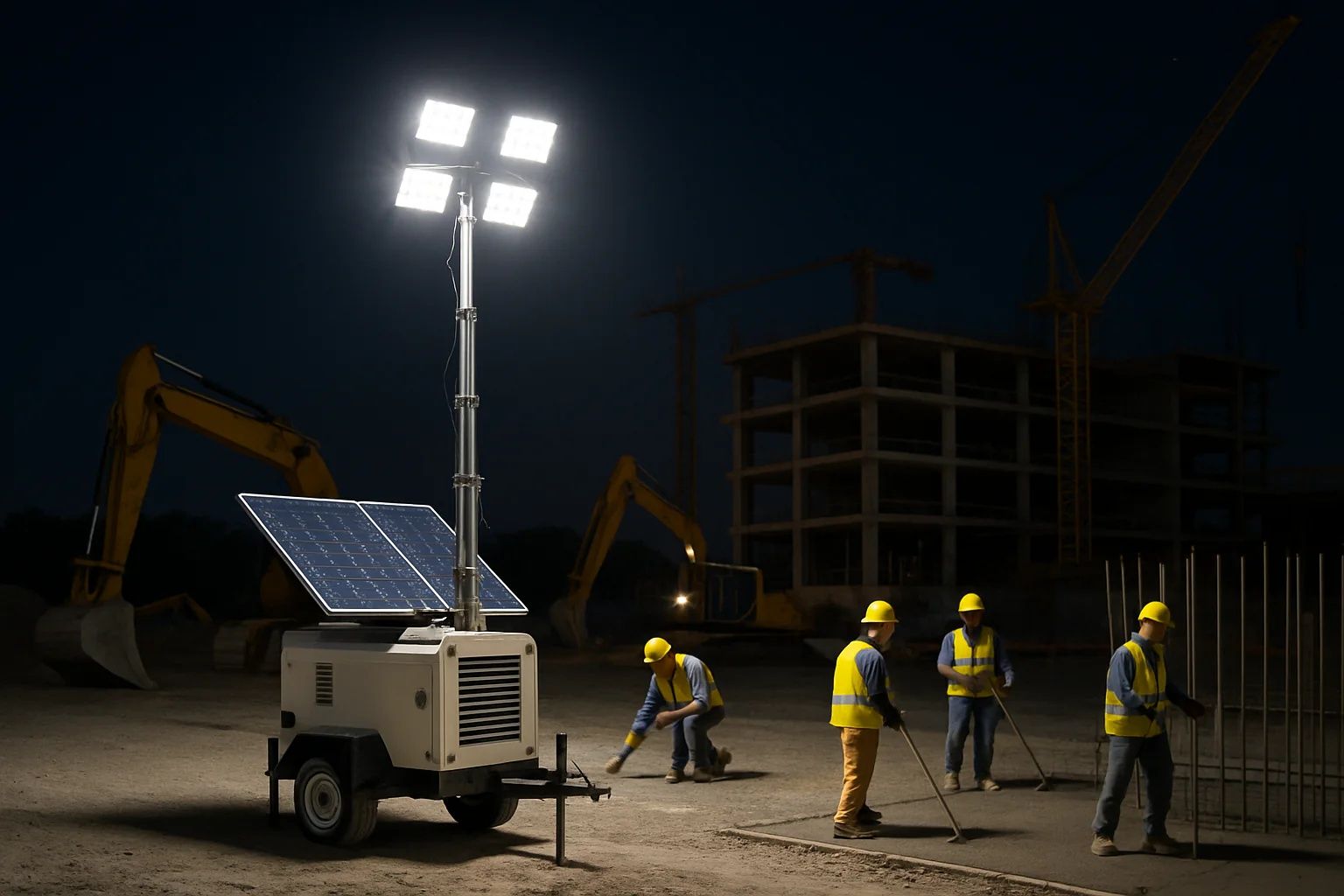
These systems are used in scenarios such as roadwork at night, mining operations, event setups, and disaster recovery zones. Temporary site lighting solutions help ensure that work can continue safely even in low-light conditions, making them a key part of modern project planning.
Importance
Site lighting trailers play a significant role in maintaining safety and productivity across various industries. Poor visibility can increase the risk of accidents, slow down operations, and reduce overall efficiency. By providing consistent illumination, construction site illumination systems help workers perform tasks more accurately and safely.
For construction and infrastructure projects, especially those that extend into nighttime hours, heavy duty light tower trailers allow continuous progress without relying on daylight. This is particularly important in urban areas where work schedules may be restricted during daytime hours.
Event organizers also depend on event lighting tower rentals to illuminate large outdoor spaces such as concerts, festivals, and sports gatherings. These systems help manage crowds, improve visibility, and support logistical operations.
In emergency situations, such as natural disasters or power outages, portable lighting tower trailers provide immediate lighting support. Rescue teams and emergency responders rely on these systems to navigate affected areas and carry out operations effectively.
Key benefits of mobile lighting systems include:
- Improved safety: Reduces accidents by increasing visibility in dark environments
- Operational continuity: Enables work during night hours or in low-light conditions
- Flexibility: Easy to transport and set up in different locations
- Adaptability: Suitable for construction, events, and emergency use
Recent Updates
From 2024 to 2026, advancements in advanced portable lighting technology have focused on energy efficiency, automation, and environmental considerations. One of the most notable trends is the shift toward LED-based lighting systems. LEDs consume less energy compared to traditional halogen lamps and provide longer operational life.
Another development is the integration of hybrid power systems. Many premium mobile lighting towers now combine diesel generators with battery storage or solar panels. This reduces fuel consumption and lowers emissions, aligning with global sustainability goals.
Automation and smart controls are also becoming more common. Modern mobile construction lighting systems may include features such as remote monitoring, automatic light adjustment, and programmable timers. These features help optimize energy use and simplify operation.
Noise reduction has also been a focus. Newer models are designed to operate more quietly, which is particularly important in residential or event settings where noise levels must be controlled.
Additionally, compact and lightweight designs are gaining popularity. These designs make it easier to transport and deploy lighting systems, especially in remote or hard-to-reach areas.
Laws or Policies
The use of construction lighting equipment and site lighting trailers is influenced by safety regulations and environmental policies. In India, workplace safety is governed by frameworks such as the Factories Act and guidelines from the Directorate General Factory Advice Service and Labour Institutes (DGFASLI). These regulations emphasize adequate lighting for worker safety.
Construction projects must ensure that lighting levels meet safety standards, particularly during nighttime operations. Insufficient lighting can be considered a violation of safety norms, as it increases the risk of accidents.
Environmental regulations also play a role. Emission standards for generators used in mobile light tower trailers are regulated to reduce air pollution. This has encouraged the adoption of cleaner technologies, such as hybrid and battery-powered systems.
Noise control regulations may apply in urban areas or near residential zones. Equipment used for temporary site lighting solutions must operate within permissible noise limits, especially during night hours.
Event organizers may also need to comply with local municipal guidelines when using event lighting tower rentals. These guidelines can include restrictions on placement, power usage, and operating hours.
Tools and Resources
Several tools and resources can help individuals and organizations understand and manage site lighting equipment more effectively. These resources support planning, operation, and maintenance of mobile lighting systems.
Common tools include:
- Lighting calculation software: Helps estimate the required illumination levels for a specific area
- Equipment manuals: Provide guidance on setup, operation, and troubleshooting of portable lighting tower trailers
- Inspection checklists: Ensure that construction site lighting trailers are functioning safely and efficiently
- Energy consumption calculators: Assist in estimating fuel or power usage for different lighting setups
Online platforms and informational websites also provide insights into construction lighting equipment and temporary site lighting solutions. These platforms often include guides, technical specifications, and comparisons of different systems.
Example Data Table: Typical Features of Site Lighting Trailers
| Feature | Description |
|---|---|
| Light Type | LED or metal halide |
| Mast Height | 5 to 10 meters |
| Power Source | Diesel generator, battery, or hybrid |
| Coverage Area | Up to several thousand square meters |
| Mobility | Trailer-mounted with wheels |
| Control System | Manual or automated controls |
| Noise Level | Varies based on design and power source |
Understanding these features helps users select appropriate equipment for different applications, whether for construction, events, or emergency use.
FAQs
What is a site lighting trailer used for?
A site lighting trailer is used to provide illumination in areas without permanent lighting. It is commonly used in construction sites, outdoor events, and emergency situations to improve visibility and safety.
How does a mobile light tower trailer work?
A mobile light tower trailer typically includes a generator or battery system that powers high-intensity lights mounted on a telescopic mast. The mast can be raised to cover a wide area with light.
What are construction site lighting trailers important for?
Construction site lighting trailers are important for maintaining safety and productivity during nighttime or low-light operations. They help workers perform tasks accurately and reduce the risk of accidents.
Are portable lighting tower trailers energy efficient?
Many modern portable lighting tower trailers use LED lights and hybrid power systems, which are more energy efficient compared to older models. These systems consume less fuel and produce lower emissions.
What factors affect site lighting trailer maintenance services?
Maintenance depends on factors such as frequency of use, environmental conditions, and equipment type. Regular inspection of lights, power systems, and mechanical components is essential to ensure reliable operation.
Conclusion
Site lighting trailers are essential tools for providing illumination in temporary or remote environments. They support safety, productivity, and operational flexibility across industries such as construction, events, and emergency response. Advances in technology have improved energy efficiency, reduced noise, and enhanced usability. Regulations ensure that these systems are used safely and responsibly. Understanding their features and applications helps individuals and organizations make informed decisions about temporary lighting needs.