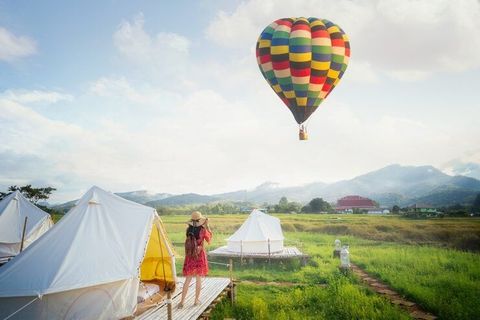
Discover Night Sky Stargazing Camps: Guide to Basics, Information, and Smart Suggestions
Night sky stargazing camps are planned outdoor experiences where people gather at low-light locations to observe stars, planets, meteor showers, and the Milky Way. Some camps are informal meet-ups among friends, while others are organized community events with safety planning and basic sky-guiding. The main purpose is simple: step away from bright city lights and spend time under a clearer sky.
The idea of organized stargazing is rooted in both science education and recreational travel. As cities expand and artificial lighting increases, access to clear night skies has diminished for many people. In response, curated experiences such as eco camping night experiences and luxury stargazing camps have developed in remote or protected areas where skies remain dark.
These camps typically provide basic infrastructure such as tents or cabins, telescopes, and guided sessions led by astronomy enthusiasts or trained facilitators. Some are designed for individuals or families, while others are structured as a corporate outing camping experience to promote team engagement in a natural setting.
Importance
Stargazing camps address a growing disconnect between people and the natural night environment. In many urban regions, light pollution makes it difficult to see even the brightest stars. This has reduced awareness of astronomical phenomena and limited opportunities for informal science learning.
These experiences matter because they serve multiple purposes. For individuals and families, they provide educational exposure to astronomy in an accessible format. For schools and organizations, they create opportunities for experiential learning. Corporate outing camping experiences, for example, are often used to encourage collaboration and communication outside traditional workspaces.
Stargazing camps also contribute to environmental awareness. Many eco camping night experiences emphasize sustainable practices such as minimal lighting, waste reduction, and respect for local ecosystems. This helps participants understand the impact of human activity on natural habitats.
Additionally, such camps can support local economies in rural or protected areas. By attracting visitors interested in astronomy and nature, they create alternative sources of income that are less disruptive than industrial development.
Recent Updates
Between 2024 and 2026, several trends have shaped the development of stargazing camps. One noticeable shift is the integration of technology into traditional astronomy experiences. Digital telescopes, mobile apps, and augmented reality tools are now commonly used during planet viewing tours to help participants identify celestial objects more easily.
Another trend is the growing interest in themed experiences. Camps may be scheduled around specific astronomical events, such as meteor showers, eclipses, or planetary alignments. Meteor shower tours, in particular, have gained attention due to their seasonal predictability and visual appeal.
There is also an increased focus on sustainability. Eco camping night experiences are being designed with stricter environmental guidelines, including reduced artificial lighting and the use of renewable energy sources. This aligns with broader global concerns about climate change and conservation.
Luxury stargazing camps have also expanded, offering more comfortable accommodations such as dome tents, private viewing decks, and curated night sky sessions. These setups aim to make astronomy accessible to those who prefer structured and comfortable environments while still maintaining a connection to nature.
Laws or Policies
Stargazing camps are influenced by various regulations, especially when located in environmentally sensitive or protected areas. In countries like India, these activities may fall under guidelines related to forest conservation, tourism management, and environmental protection.
For example, camps operating near wildlife reserves or national parks must comply with rules set by authorities such as the Ministry of Environment, Forest and Climate Change. These rules often include restrictions on construction, waste disposal, and nighttime lighting to minimize ecological disruption.
Light pollution regulations are also becoming more relevant. Some regions have introduced “dark sky” policies that limit artificial lighting in designated zones. These policies help preserve natural night conditions, which are essential for astronomy activities like a planet viewing tour.
Additionally, local tourism departments may require permits for organizing group activities, especially for corporate outing camping experiences. These permits ensure that safety standards are met and that the number of participants does not exceed the carrying capacity of the area.
Understanding these regulations is important for both organizers and participants, as they influence how camps are structured and operated.
Tools and Resources
A variety of tools and resources can enhance the stargazing experience, whether at an organized camp or during independent observation.
Digital Tools
Several mobile applications and software platforms are widely used:
- Sky mapping apps such as Stellarium or SkySafari allow users to identify stars, planets, and constellations in real time.
- Weather tracking tools help determine visibility conditions, including cloud cover and atmospheric clarity.
- Light pollution maps provide information on dark sky locations, helping users choose suitable areas for observation.
Equipment
Basic equipment used in stargazing camps includes:
- Binoculars for wide-field viewing of star clusters and the Milky Way.
- Telescopes for detailed observation during a planet viewing tour.
- Red-light flashlights, which preserve night vision while allowing safe movement.
Planning Resources
Participants can use calendars and guides to track astronomical events. These often include:
- Meteor shower schedules, indicating peak viewing nights.
- Lunar phase charts, which help plan observations when moonlight is minimal.
- Planet visibility charts, showing when specific planets are visible in the night sky.
Sample Comparison Table
Below is a general comparison of different types of stargazing camp experiences:
| Type of Experience | Key Features | Suitable For |
|---|---|---|
| Meteor shower tour | Timed around meteor events, open sky viewing | Casual observers, families |
| Planet viewing tour | Telescope-based sessions, guided explanation | Students, science enthusiasts |
| Eco camping night experience | Sustainable setup, minimal lighting | Nature-focused participants |
| Corporate outing camping experience | Group activities, team interaction | Organizations and teams |
| Luxury stargazing camp | Comfortable stay, structured sessions | Those preferring added comfort |
This table highlights how different formats cater to varying interests and needs.
FAQs
What is included in a meteor shower tour?
A meteor shower tour typically involves guided observation sessions during peak meteor activity. Participants are taken to dark sky locations and provided with basic guidance on where and how to look. Some tours may include educational briefings about the origin and timing of meteor showers.
How does a planet viewing tour work?
A planet viewing tour usually includes the use of telescopes to observe visible planets such as Jupiter or Saturn. Facilitators explain key features like rings, moons, and surface patterns. These tours are often scheduled based on planetary visibility and weather conditions.
What makes an eco camping night experience different?
An eco camping night experience focuses on minimizing environmental impact. This includes reduced artificial lighting, sustainable materials, and waste management practices. The goal is to preserve the natural surroundings while allowing participants to enjoy the night sky.
Are luxury stargazing camps suitable for beginners?
Luxury stargazing camps are generally designed to accommodate beginners. They often include guided sessions, comfortable accommodations, and structured programs that make it easier for first-time participants to engage with astronomy.
Why are corporate outing camping experiences combined with stargazing?
Corporate outing camping experiences often include stargazing as a way to encourage teamwork and relaxation. Observing the night sky in a group setting can create shared experiences and promote informal interaction outside the workplace.
Conclusion
Stargazing camps provide a structured way to explore the night sky while addressing challenges such as light pollution and limited access to dark environments. They combine education, recreation, and environmental awareness in a single experience. Different formats, including meteor shower tours and eco camping night experiences, cater to a wide range of interests. Recent developments have introduced new technologies and sustainability practices, shaping how these camps are organized. Understanding the available options and relevant regulations helps participants make informed choices about engaging with astronomy in natural settings.