Discover Microturbines: Technology Overview, Working Principles, and Key Details
Microturbines are compact power generation devices designed to produce electricity and heat using high-speed turbine technology. They represent an important development in distributed energy systems, offering a smaller and more flexible alternative to traditional large-scale turbines used in power plants.
Unlike conventional generators that rely on complex multi-stage machinery, microturbines integrate several components into a single compact system. Their design enables them to operate in smaller facilities such as commercial buildings, industrial plants, hospitals, and remote locations where localized energy generation is beneficial.
Over time, interest in microturbines has increased because organizations and communities are exploring efficient energy systems, cleaner power generation methods, and decentralized energy infrastructure. These systems combine concepts from mechanical engineering, thermodynamics, and modern power electronics to produce reliable electricity with relatively low emissions.
Microturbine technology is closely related to combined heat and power (CHP) systems, distributed generation, and advanced energy efficiency technologies. Understanding how microturbines work and where they are used helps explain why they are gaining attention in modern energy discussions.
Understanding Microturbine Technology and Working Principles
A microturbine is a small combustion turbine that converts fuel energy into electricity through rotational motion. Most systems operate using natural gas, biogas, hydrogen blends, or other gaseous fuels.
The working principle follows the basic thermodynamic cycle used in larger gas turbines. The process typically includes the following stages:
• Air is drawn into a compressor where it is pressurized.
• The compressed air moves into a combustion chamber.
• Fuel mixes with the air and ignites, producing high-temperature gases.
• Expanding gases spin the turbine blades at high speeds.
• The rotating shaft drives an electrical generator to produce electricity.
Many modern microturbines operate at rotational speeds exceeding tens of thousands of revolutions per minute. Because of this high-speed operation, they often use air bearings instead of traditional lubricated bearings, reducing mechanical complexity.
Another key feature is heat recovery. Exhaust gases leaving the turbine still contain thermal energy, which can be captured for heating or industrial processes. This improves overall system efficiency and supports combined heat and power applications.
The simplified structure of microturbines often includes:
| Component | Function |
|---|---|
| Compressor | Pressurizes incoming air |
| Combustor | Mixes fuel and air for combustion |
| Turbine | Converts hot gas energy into mechanical rotation |
| Generator | Produces electricity |
| Recuperator | Recovers exhaust heat to improve efficiency |
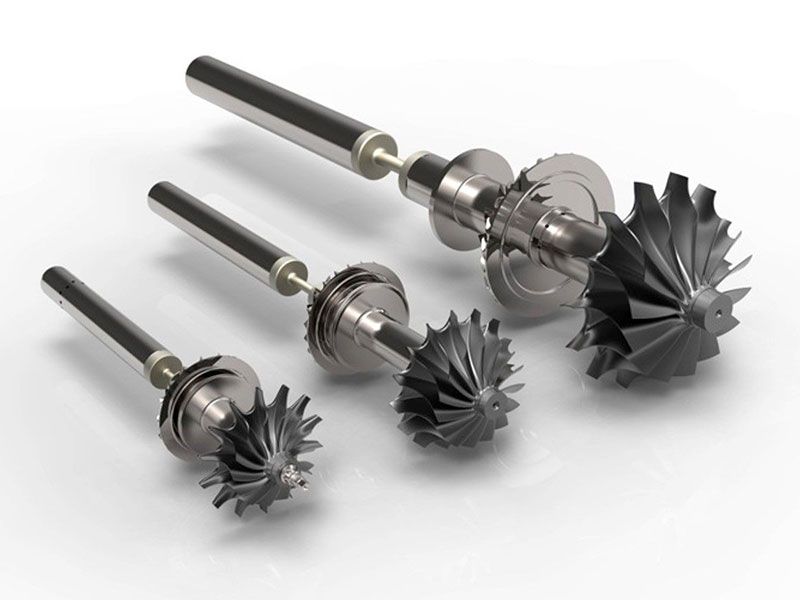
Because many systems use a single rotating shaft that connects the compressor, turbine, and generator, the design remains compact and relatively straightforward compared with traditional power plants.
Why Microturbines Matter in Modern Energy Systems
Energy systems worldwide are undergoing a shift toward distributed power generation. Instead of relying only on large centralized power plants, many facilities are adopting smaller energy technologies that generate electricity closer to where it is used.
Microturbines play a role in this transition because they provide reliable, on-site power generation that can operate independently or alongside existing energy infrastructure.
Several groups are influenced by this technology:
• Industrial facilities that require stable electricity for manufacturing processes
• Hospitals and research centers that rely on uninterrupted power systems
• Data centers requiring continuous electrical supply
• Remote communities or off-grid locations
• Commercial buildings with high heating and electricity demand
One of the main problems microturbines help address is energy reliability. In regions where electrical grids experience fluctuations or outages, distributed generation technologies can provide backup or supplementary power.
Another benefit is improved energy efficiency when heat recovery is used. Combined heat and power systems can capture thermal energy that would otherwise be wasted in traditional electricity generation.
Environmental considerations also contribute to the growing interest in microturbines. Modern designs often produce lower emissions compared with some conventional combustion technologies. They can also operate using renewable fuels such as biogas derived from wastewater treatment plants, landfills, or agricultural waste.
The technology therefore intersects with several broader themes in the energy sector:
• Distributed energy resources
• Energy resilience and reliability
• Industrial energy efficiency
• Clean energy transition
These factors explain why microturbines are frequently discussed in research publications and energy policy discussions.
Recent Developments and Technology Trends
Advancements in microturbine technology have continued to evolve through engineering innovation, digital monitoring systems, and integration with modern energy networks.
In recent months, several trends have gained attention within the distributed energy sector.
One trend involves hybrid energy systems. Researchers and engineering teams are exploring how microturbines can operate alongside renewable technologies such as solar photovoltaic systems and energy storage batteries. This combination can help stabilize energy supply when renewable output fluctuates.
Another development relates to hydrogen fuel compatibility. As hydrogen infrastructure research expands, turbine manufacturers and engineering groups are testing combustion systems capable of operating with hydrogen blends. These efforts aim to support long-term decarbonization strategies.
Digital monitoring technology has also improved system management. Many newer microturbine installations include advanced sensors and analytics platforms that track temperature, vibration, and performance data. These systems help operators monitor operational efficiency and identify maintenance needs earlier.
Engineering studies published in energy technology journals have also highlighted improvements in turbine materials and thermal management. High-temperature alloys and ceramic coatings allow turbines to operate at higher temperatures, which can improve efficiency.
Several pilot projects announced in the past year demonstrate how microturbines are being integrated into modern infrastructure:
• Distributed power units for smart industrial parks
• Microgrid energy systems supporting research campuses
• Waste-to-energy projects using biogas-powered turbines
• Hybrid renewable and turbine energy networks
These developments illustrate how microturbines continue to evolve as part of broader energy innovation.
Regulatory and Policy Considerations
Energy technologies often operate within regulatory frameworks designed to ensure safety, environmental protection, and grid reliability. Microturbine systems are influenced by several categories of rules and technical standards.
Environmental regulations commonly set limits on emissions from combustion systems. Microturbine manufacturers design combustion chambers and control systems that comply with air quality standards related to nitrogen oxides and other pollutants.
Electrical interconnection standards also play a role. When microturbines connect to the electrical grid, they must meet requirements related to voltage stability, frequency control, and grid safety.
Energy efficiency initiatives and distributed generation policies sometimes encourage the adoption of technologies that improve energy performance. Combined heat and power systems, including microturbines, are often included in efficiency programs because they capture waste heat.
Engineering codes and technical standards also guide installation and operation. These standards address:
• Electrical safety requirements
• Turbine design certification
• Noise control guidelines
• Energy system integration standards
Regulatory frameworks help ensure that microturbines operate safely while supporting broader energy system goals.
Helpful Tools and Resources for Learning About Microturbines
Several digital resources, engineering tools, and knowledge platforms help individuals understand microturbine technology and energy systems.
Energy efficiency calculators are often used to estimate power output, thermal recovery potential, and system performance. These tools allow engineers and students to evaluate how microturbines operate within larger energy systems.
Simulation software is another valuable resource. Many engineering platforms simulate turbine thermodynamics, airflow dynamics, and system efficiency.
Examples of useful tools and learning resources include:
• Energy system modeling software
• Combined heat and power efficiency calculators
• Distributed energy planning tools
• Engineering research databases
• Renewable energy data platforms
The following table shows examples of resource categories used in energy technology studies:
| Resource Type | Purpose |
|---|---|
| Energy Calculators | Estimate power output and thermal efficiency |
| Simulation Software | Model turbine performance and thermodynamics |
| Engineering Databases | Access technical research papers |
| Data Platforms | Track energy production and emissions data |
| Educational Portals | Learn fundamentals of energy systems |
Universities, research institutions, and energy organizations also publish educational materials that explain turbine technologies and distributed energy infrastructure.
Frequently Asked Questions About Microturbines
What is a microturbine used for?
Microturbines generate electricity and sometimes heat for buildings, industrial facilities, and distributed energy systems. They are commonly used in combined heat and power systems where both electricity and thermal energy are needed.
How efficient are microturbine energy systems?
Efficiency depends on system design and whether heat recovery is used. Electricity-only systems typically have moderate efficiency, while combined heat and power systems can achieve significantly higher overall energy utilization because they capture thermal energy.
What fuels can microturbines use?
Many microturbines operate using natural gas, biogas, or hydrogen blends. Some systems are designed to handle alternative gaseous fuels produced from waste treatment or agricultural processes.
Are microturbines part of distributed energy systems?
Yes. Microturbines are commonly used in distributed generation because they produce electricity close to where it is consumed. This approach can support energy resilience and reduce reliance on centralized power plants.
How do microturbines differ from traditional gas turbines?
The primary difference is size and application. Microturbines are smaller and designed for localized power generation, whereas large gas turbines operate in utility-scale power plants producing electricity for large electrical grids.
Conclusion
Microturbines represent an innovative approach to small-scale electricity generation. By combining turbine technology, advanced materials, and modern power electronics, these systems provide compact and efficient energy solutions for a wide range of applications.
Their ability to generate electricity while recovering thermal energy makes them particularly valuable in combined heat and power systems. As distributed energy technologies continue to expand, microturbines are increasingly integrated into microgrids, industrial facilities, and hybrid renewable energy networks.