Discover Lapping Machines: Facts, Details, and Essential Resources
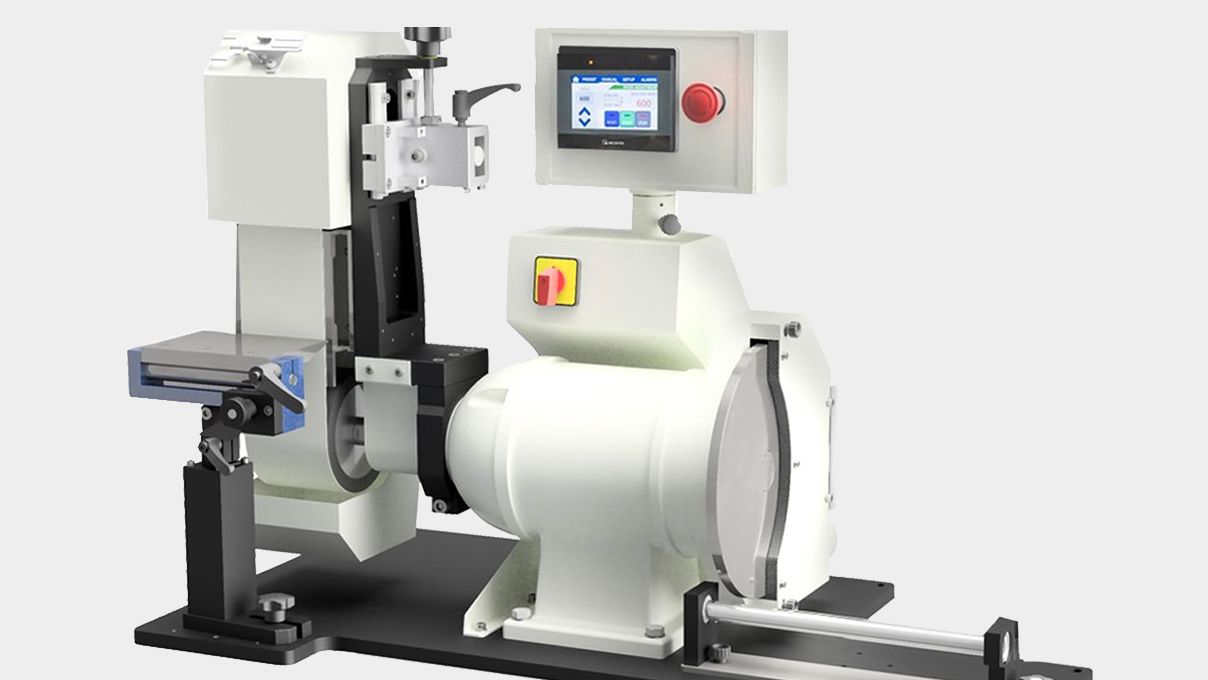
Lapping machines are precision surface finishing systems used to improve flatness, thickness accuracy, and surface quality of components. The process relies on controlled abrasion, where a workpiece is moved against a rotating plate using fine abrasive slurry. Unlike conventional grinding, lapping removes extremely small amounts of material, enabling tight tolerances and smooth finishes.
The technology exists to meet manufacturing needs where dimensional accuracy and surface integrity are critical. Industries working with metals, ceramics, glass, and advanced composites rely on lapping to achieve finishes that other machining methods cannot consistently deliver. Over time, lapping machines have evolved from manual setups to automated precision equipment integrated with digital controls and monitoring systems.
Importance
Lapping machines matter because modern manufacturing increasingly depends on precision engineering. Many components must meet strict flatness, parallelism, and surface roughness requirements to function reliably.
This topic affects:
-
Manufacturing engineers and quality teams
-
Industrial designers and process planners
-
Researchers working with advanced materials
-
Maintenance teams responsible for precision assemblies
Key problems lapping machines help solve include:
-
Inconsistent surface finish after rough machining
-
Microscopic surface defects affecting performance
-
Assembly issues caused by uneven or warped components
-
Reduced lifespan of mechanical or optical systems
In sectors such as automotive components, aerospace assemblies, electronics substrates, and optical elements, lapping supports reliability, accuracy, and repeatability. Precision lapping machines also contribute to reduced material waste by enabling controlled material removal.
Recent Updates
In recent periods, lapping machine development has focused on precision control and process consistency rather than higher removal rates. Manufacturers have introduced advanced pressure control systems that distribute load evenly across the lapping plate, reducing edge rounding and uneven wear.
Digital monitoring has become more common, with sensors tracking plate speed, slurry flow, and contact pressure in real time. These updates help operators maintain consistent surface finishing quality across batches.
Another notable trend is the wider use of environmentally considerate abrasive compounds. Water-based and low-residue slurries are increasingly adopted to improve workplace safety and simplify post-processing cleaning.
Automation has also expanded. Semi-automatic and fully automatic lapping machines now support programmable cycles, which improves repeatability and reduces operator dependency in high-precision environments.
Laws or Policies
Lapping machine usage is influenced by industrial standards related to manufacturing quality, workplace safety, and environmental handling of abrasives. General machinery safety frameworks require proper guarding, emergency stops, and operator training.
Quality management systems such as those aligned with International Organization for Standardization influence how lapping processes are documented, validated, and audited within production environments. These frameworks encourage traceability, process control, and consistent inspection methods for finished components.
Environmental policies also affect slurry disposal and abrasive handling. Facilities typically follow guidelines for waste management, filtration, and water treatment to reduce environmental impact while maintaining compliance with industrial safety norms.
Tools and Resources
A range of tools and resources support effective use and understanding of lapping machines. These resources help improve process accuracy, surface analysis, and operational knowledge.
Helpful tools and references include:
-
Surface roughness measurement instruments for finish verification
-
Flatness gauges and optical comparators
-
Abrasive slurry selection charts based on material type
-
Process parameter calculators for pressure and plate speed
-
Technical documentation from equipment manufacturers
-
Industry handbooks on precision surface finishing
-
Digital logs for recording lapping cycles and inspection results
Common Process Parameters and Their Role
| Parameter | Purpose | Typical Impact |
|---|---|---|
| Plate Speed | Controls material removal rate | Affects finish consistency |
| Abrasive Size | Determines surface smoothness | Smaller grit improves polish |
| Contact Pressure | Influences flatness accuracy | Excess pressure risks distortion |
| Slurry Flow | Maintains cutting efficiency | Inconsistent flow affects results |
These tools and references support informed decision-making without relying on trial-and-error methods.
FAQs
What materials can be processed using lapping machines?
Lapping machines are used for metals, ceramics, glass, carbides, and engineered composites. Material compatibility depends on plate type and abrasive selection.
How is lapping different from polishing?
Lapping focuses on achieving dimensional accuracy and flatness, while polishing mainly improves surface appearance. Lapping removes more controlled material at a microscopic level.
Is lapping suitable for high-volume production?
Yes, automated lapping machines with programmable cycles are used in batch and continuous production environments where consistency is essential.
What determines surface roughness in lapping?
Surface roughness depends on abrasive grain size, slurry concentration, plate condition, and process duration.
Does lapping affect component geometry?
When properly controlled, lapping improves flatness and parallelism. Poor parameter control can introduce rounding or uneven wear, highlighting the importance of monitoring.
Conclusion
Lapping machines play a vital role in precision manufacturing by enabling ultra-flat surfaces and controlled material removal. Their importance continues to grow as industries demand tighter tolerances, better surface integrity, and consistent quality.
With advancements in automation, monitoring, and abrasive technology, modern lapping processes are more predictable and efficient than earlier methods. Supported by standardized practices and reliable measurement tools, lapping machines remain a foundational technology in precision surface finishing and advanced engineering applications.