Discover Fitness Tracking Devices Overview, Explanation, Facts, and Helpful Resources
Fitness tracking devices have transformed how individuals monitor health metrics, physical activity, and overall wellness. From step counters to advanced wearable technology with heart rate monitoring, GPS tracking, and sleep analysis, these smart devices provide real-time data that supports data-driven fitness decisions.
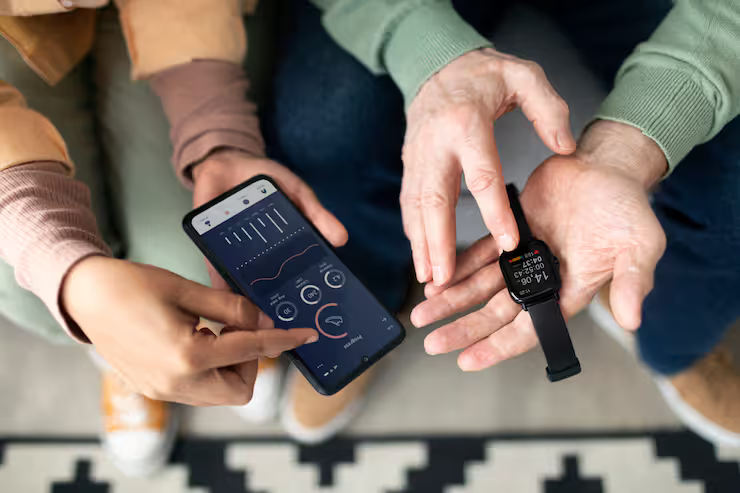
Fitness tracking devices are wearable technology products designed to monitor physical activity and health-related metrics. They typically include sensors that track:
• Steps and movement
• Heart rate variability
• Calories burned
• Sleep cycles
• Blood oxygen levels
• GPS-based distance tracking
These devices emerged from the increasing need for quantified self-movement tools—technology that helps individuals measure and analyze daily activity. As sedentary lifestyles and lifestyle-related health conditions increased globally, wearable health technology became a practical solution for personal health awareness.
• Apple Watch Series 9
• Fitbit Charge 6
• Garmin Forerunner 965
• Samsung Galaxy Watch 6
Modern devices combine biometric sensors, AI-powered health analytics, and smartphone app integration to create comprehensive digital health dashboards.
Importance: Why Fitness Tracking Devices Matter Today
The global digital health market has expanded rapidly due to rising healthcare awareness, chronic disease prevention, and remote health monitoring needs. Fitness tracking devices are important because they:
Improve Preventive Healthcare
Wearable health technology supports early detection of irregular heart rhythms, abnormal sleep patterns, and reduced physical activity levels. This proactive monitoring may encourage timely medical consultations.
Support Data-Driven Fitness Optimization
Athletes and everyday users rely on performance tracking metrics like VO2 max estimates, heart rate zones, and recovery scores to refine workout efficiency.
Enable Remote Patient Monitoring
Healthcare providers increasingly integrate wearable data into telehealth systems, supporting digital patient monitoring and chronic condition management.
Encourage Behavioral Change
Activity reminders, goal-based step tracking, and gamified fitness apps motivate consistent exercise habits.
Below is a comparison table highlighting common features:
| Feature | Basic Tracker | Advanced Smartwatch | Sports Performance Watch |
|---|---|---|---|
| Step Tracking | Yes | Yes | Yes |
| Continuous Heart Monitoring | Limited | Yes | Yes |
| GPS Tracking | No/Connected | Built-in | Built-in (High Accuracy) |
| Sleep Analysis | Basic | Advanced | Advanced |
| ECG Monitoring | No | Selected Models | Rare |
| Training Analytics | Basic | Moderate | Advanced Metrics |
The growing emphasis on health insurance incentives and corporate wellness programs has also contributed to adoption, as activity tracking data can support lifestyle improvement initiatives.
Recent Updates: Trends and Developments
The wearable technology industry has seen significant developments over the past year.
AI-Powered Health Insights (2025)
Several leading manufacturers introduced AI-driven health summaries that analyze trends in heart rate variability, sleep consistency, and activity levels to generate personalized insights.
Improved Sensor Accuracy
In early 2025, upgrades in photoplethysmography (PPG) sensors enhanced heart rate and blood oxygen accuracy during high-intensity workouts.
Non-Invasive Glucose Monitoring Research
Ongoing research into non-invasive glucose tracking has gained attention, although fully commercialized mainstream integration remains under evaluation as of mid-2025.
Battery Optimization and Sustainable Materials
Manufacturers increasingly emphasize energy-efficient processors and recycled materials to align with environmental sustainability goals.
Below is a simplified visual representation of adoption growth trends:
| Year | Estimated Global Wearable Users (Millions) |
|---|---|
| 2022 | 850 |
| 2023 | 950 |
| 2024 | 1,050 |
| 2025 | 1,150 (Projected) |
The steady increase reflects expanding interest in smart health devices, biometric authentication, and remote monitoring technologies.
Laws or Policies: Regulatory Framework and Compliance
Fitness tracking devices operate within health data privacy and consumer electronics regulations. In India, several frameworks influence wearable technology usage:
Information Technology Act, 2000
The Information Technology Act, 2000 governs digital data protection and cybersecurity compliance for technology platforms.
Digital Personal Data Protection Act, 2023
The Digital Personal Data Protection Act, 2023 establishes obligations for organizations handling personal data, including health-related metrics collected through wearable apps.
Medical Device Classification
Some advanced health monitoring features, such as ECG tracking, may fall under regulatory oversight if classified under medical device guidelines by the Central Drugs Standard Control Organization.
Globally, frameworks such as GDPR in the European Union and HIPAA in the United States impact how wearable health data is processed and stored. Compliance ensures transparency, user consent, and secure data encryption practices.
Tools and Resources for Fitness Tracking
Several digital health platforms enhance the value of wearable devices:
Mobile Applications
• Apple Health
• Google Fit
• MyFitnessPal
• Strava
These applications provide dashboards for activity metrics, calorie tracking, hydration logging, and performance analytics.
Online Health Calculators
• BMI calculators
• Heart rate zone calculators
• Basal metabolic rate (BMR) estimators
• VO2 max prediction tools
Cloud Data Integration
Wearables often integrate with secure cloud platforms to synchronize multi-device health metrics, supporting long-term data analysis and cross-platform compatibility.
Developer APIs
Manufacturers provide SDKs and APIs for integration into enterprise wellness programs, digital therapeutics platforms, and research initiatives.
Frequently Asked Questions
Are fitness tracking devices medically accurate?
Fitness trackers provide health estimates based on sensor data and algorithms. While many models show high accuracy for step counting and heart rate monitoring, they are not substitutes for clinical diagnostic tools unless explicitly regulated as medical devices.
Can wearable devices detect heart problems?
Some advanced models include ECG functionality capable of detecting irregular heart rhythms such as atrial fibrillation. However, results should be reviewed by qualified healthcare professionals for medical interpretation.
How secure is personal health data collected by wearables?
Data security depends on manufacturer compliance with privacy regulations, encryption standards, and user consent policies. Reviewing privacy settings and understanding data-sharing permissions is recommended.
Do fitness trackers help with weight management?
By tracking calories burned, physical activity, and sleep quality, fitness trackers can support informed lifestyle decisions that contribute to weight management goals when combined with balanced nutrition and exercise.
Are fitness tracking devices suitable for seniors?
Many devices include fall detection, heart rate alerts, and emergency notification features that may be beneficial for older adults, depending on the model and configuration.
Conclusion
Fitness tracking devices represent a significant advancement in digital health monitoring, preventive healthcare, and performance optimization. By combining biometric sensors, AI-driven analytics, and cloud-based data platforms, wearable technology empowers individuals to better understand their physical activity, sleep patterns, and cardiovascular health.
As regulatory frameworks strengthen data protection standards and innovation continues in sensor accuracy and AI health insights, fitness trackers are becoming integral to modern wellness ecosystems. When used responsibly and with awareness of privacy settings, these devices can support informed health decisions without replacing professional medical guidance.