Discover Digital Detox Lifestyle: Complete Overview, Facts, Knowledge, and Practical Tips for Healthier Technology Use
A digital detox lifestyle refers to a conscious effort to reduce or temporarily disconnect from digital devices such as smartphones, computers, tablets, and online platforms. The goal is to create a healthier balance between technology use and daily life by intentionally setting boundaries for screen exposure.
The concept emerged as digital technology became deeply integrated into everyday routines. While modern devices provide convenience, communication, and access to information, excessive screen time can lead to mental fatigue, reduced attention span, and disrupted sleep patterns. A digital detox approach encourages individuals to step away from constant connectivity and focus on real-world activities, personal interactions, and mindful living.
Digital detox practices can range from short breaks during the day to full weekends without devices. Some individuals adopt structured schedules that limit digital access during meals, family time, or before sleep. The approach is not about rejecting technology entirely but about using it more thoughtfully and intentionally.
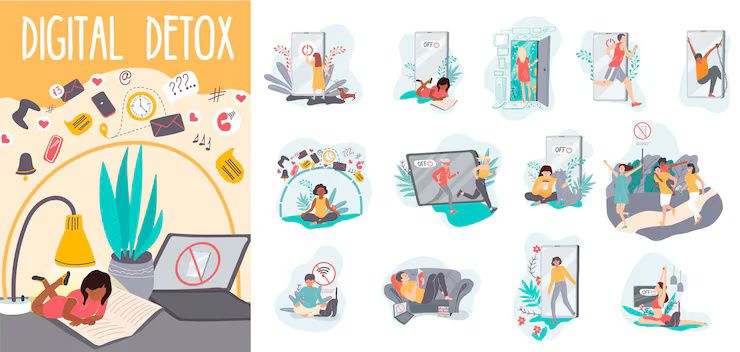
Importance: Why Digital Detox Matters Today
The digital detox lifestyle has gained attention because of growing awareness about the effects of continuous screen exposure on well-being. With many people spending several hours per day interacting with digital platforms, the need for balanced technology use has become increasingly relevant.
Reasons this topic matters today include:
-
Mental health awareness: Constant notifications and digital multitasking may contribute to stress and mental overload.
-
Improved concentration: Reduced screen distractions can help individuals focus better on tasks and conversations.
-
Sleep quality: Limiting device use before bedtime supports healthier sleep cycles.
-
Work–life balance: Boundaries between professional communication and personal time become clearer.
-
Stronger personal relationships: Less screen time encourages direct interaction with family and friends.
A digital detox lifestyle affects a wide range of people, including students, remote workers, professionals, parents, and teenagers. It helps address issues such as technology dependence, reduced productivity, eye strain, and social disconnection caused by excessive device usage.
Recent Updates: Trends and Developments in the Past Year
Interest in digital detox practices has grown as individuals and organizations explore healthier technology habits. Several developments from the past year highlight this shift.
| Year | Update or Trend | Impact |
|---|---|---|
| 2024 | Increased public discussions about screen-time awareness | Greater focus on digital well-being education |
| 2024 | Expansion of workplace digital-wellness initiatives | Encouragement of balanced communication habits |
| 2025 | Growth of technology-free retreats and wellness programs | Increased interest in offline experiences |
| 2025 | Research on smartphone usage patterns | Improved understanding of technology-use behavior |
In early 2025, academic studies examining digital habits emphasized the importance of intentional technology use and scheduled breaks. Many organizations have also started encouraging healthier digital boundaries to support employee well-being and productivity.
Laws or Policies: Regulatory and Institutional Influence
While digital detox is primarily a lifestyle choice, it is indirectly influenced by policies related to digital well-being, workplace communication practices, and youth technology exposure.
Some examples include:
-
Workplace digital-communication guidelines: Certain organizations encourage limits on after-hours messaging to support employee well-being.
-
Educational screen-time guidance: Schools and education authorities in several countries promote balanced technology use among students.
-
Data privacy and digital well-being discussions: Regulations concerning online platforms sometimes include recommendations for responsible design and user awareness.
-
Public health campaigns: Some governments promote awareness about healthy digital habits, particularly among children and adolescents.
These initiatives aim to encourage responsible technology use and support healthier relationships with digital devices.
Tools and Resources: Helpful Aids for Practicing a Digital Detox
Many resources are available to help individuals manage their digital habits and maintain healthier technology boundaries.
Helpful tools and resources include:
-
Screen-time tracking tools: Monitor daily device usage and identify patterns.
-
Focus-mode features on devices: Temporarily silence notifications during work or rest periods.
-
Digital habit planners: Printable or digital templates for scheduling technology breaks.
-
Mindfulness and wellness guides: Provide strategies for balanced technology engagement.
-
Time-management worksheets: Help organize activities that replace unnecessary screen use.
Additional resources may include educational websites about digital wellness, research articles on technology behavior, and community programs that encourage offline hobbies such as reading, outdoor activities, and creative arts.
Frequently Asked Questions (FAQs)
What is a digital detox lifestyle?
A digital detox lifestyle involves intentionally reducing screen time or disconnecting from digital devices for certain periods to improve focus, well-being, and daily balance.
Does a digital detox mean completely avoiding technology?
No. The goal is not to eliminate technology but to use it more thoughtfully and create healthier usage patterns.
How long should a digital detox last?
The duration varies. Some people practice short daily breaks, while others choose weekend or vacation periods with minimal device use.
Can digital detox practices improve productivity?
Reducing distractions and constant notifications may help individuals concentrate better and complete tasks more efficiently.
What activities can replace screen time during a digital detox?
Reading, exercise, outdoor activities, hobbies, creative work, and face-to-face conversations are common alternatives.
Conclusion
The digital detox lifestyle reflects a growing awareness of the need for balanced technology use. As digital tools become increasingly integrated into work, communication, and entertainment, intentional breaks from constant connectivity can help individuals maintain mental clarity, productivity, and healthier daily routines.
By understanding the purpose of digital detox practices, recognizing current trends, and using available tools and resources, individuals can create sustainable technology habits that support both personal well-being and professional responsibilities. In a world shaped by digital convenience, thoughtful and mindful technology use remains essential for long-term balance.