Discover Condenser Coils: Overview, Working Basics and Helpful Insights
Condenser coils are essential components used in many cooling technologies, including air conditioners, refrigeration units, and heat pump systems. These coils help release heat collected from indoor environments, allowing cooling equipment to maintain comfortable temperatures and stable refrigeration conditions.
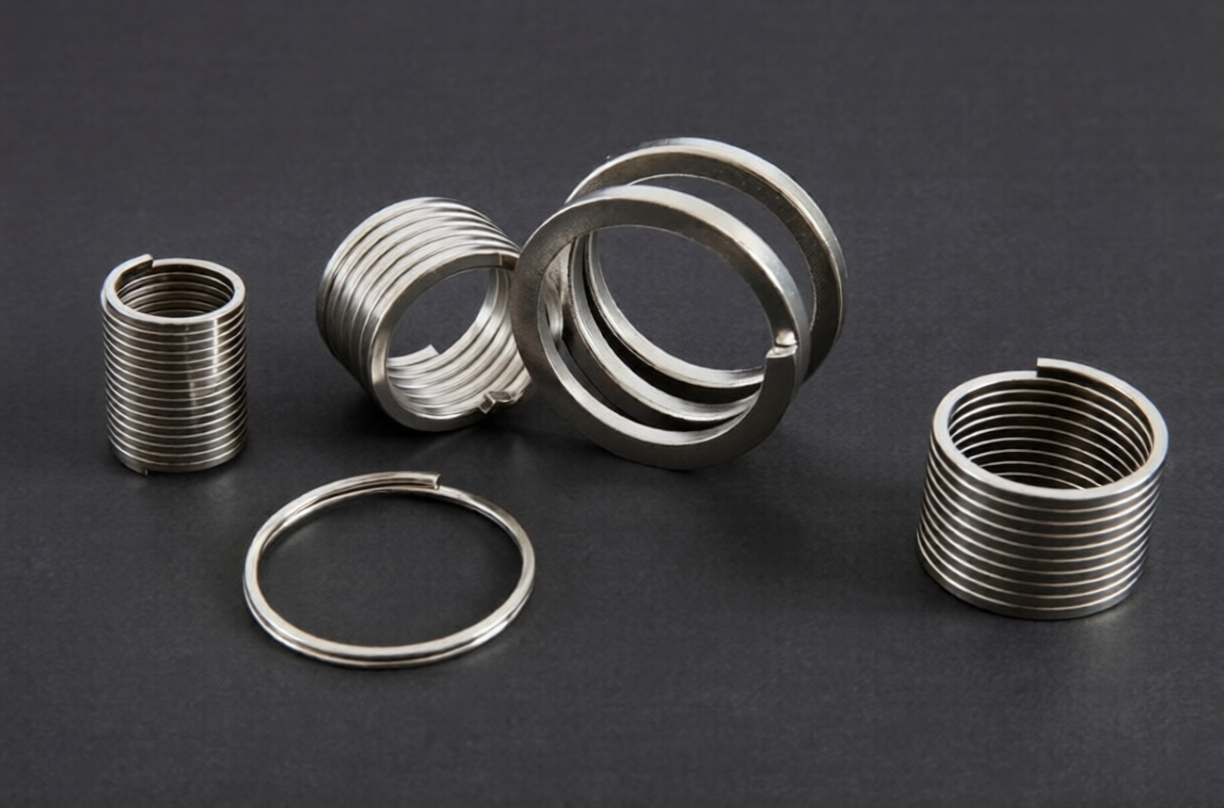
A condenser coil is typically made of copper or aluminum tubing combined with metal fins that increase surface area. When refrigerant flows through the coil, it releases heat to the surrounding air and changes from a high-pressure gas to a liquid. This process is a key stage in the refrigeration cycle.
Cooling systems work through a sequence of heat transfer steps:
| Cooling Cycle Stage | What Happens |
|---|---|
| Compression | Refrigerant is pressurized and heated |
| Condensation | Heat leaves the refrigerant through the condenser coil |
| Expansion | Pressure drops and refrigerant cools |
| Evaporation | Refrigerant absorbs heat from indoor air |
The condenser coil specifically handles the condensation stage. Without efficient heat release at this stage, cooling performance declines.
Most condenser coils are located in outdoor units or in well-ventilated sections of equipment. Fans move air across the coil surface to accelerate heat transfer. Dust, debris, or airflow restrictions can reduce efficiency, which is why regular cleaning and maintenance are important.
Why Condenser Coils Matter for Energy Efficiency and Cooling Performance
Cooling systems operate in homes, offices, manufacturing facilities, transportation systems, and food storage environments. Because of this wide use, condenser coil efficiency plays an important role in energy consumption and system reliability.
The main reasons condenser coils are important include:
-
Energy efficiency: Proper heat transfer reduces the workload on compressors and lowers electricity consumption.
-
Temperature stability: Efficient coils help maintain consistent indoor temperatures and refrigeration conditions.
-
Equipment longevity: Balanced system pressure prevents excessive wear on compressors and other components.
-
Environmental performance: Improved heat exchange can reduce refrigerant leakage risks and energy waste.
Many energy efficiency discussions today focus on HVAC system optimization. Condenser coils are one of the main elements affecting system efficiency because they directly influence how easily heat leaves the refrigeration cycle.
A simplified relationship between coil cleanliness and system efficiency can be illustrated below.
| Coil Condition | Airflow | Heat Transfer Efficiency | Cooling Output |
|---|---|---|---|
| Clean coil surface | High | Strong | Stable cooling |
| Moderate dust buildup | Medium | Reduced | Slight cooling loss |
| Heavy debris buildup | Low | Poor | Significant performance drop |
These differences demonstrate why coil design and maintenance remain important topics in heating, ventilation, and air-conditioning engineering.
Industries such as cold storage, food processing, healthcare facilities, and data centers rely heavily on stable cooling systems. Even small efficiency losses can affect operating conditions and energy usage in these environments.
Recent Developments and Trends in Condenser Coil Technology
Over the past year, several technical trends have emerged in the cooling industry that influence condenser coil design and performance.
One notable development is the growing use of microchannel condenser coils. These coils use multiple small channels instead of larger tubes, increasing surface contact with airflow and improving heat transfer efficiency. Many manufacturers have expanded microchannel designs because they reduce refrigerant volume and improve corrosion resistance.
Another trend involves advanced coil coatings designed to protect metal surfaces from environmental damage. Protective coatings can reduce corrosion caused by moisture, chemicals, or coastal air conditions. This helps extend equipment lifespan and maintain heat transfer performance.
Smart monitoring technology has also gained attention. Sensors and digital monitoring platforms are increasingly integrated into HVAC systems to track coil temperature, airflow, and system pressure. When abnormal patterns appear, maintenance teams can identify coil blockages or airflow restrictions early.
Recent industry reports have highlighted additional trends:
| Trend | Description | Impact |
|---|---|---|
| Microchannel coil adoption | Smaller channels for improved heat exchange | Better efficiency and reduced refrigerant use |
| Protective coatings | Anti-corrosion materials applied to coil surfaces | Longer equipment lifespan |
| Smart HVAC monitoring | Sensors and IoT tracking airflow and temperature | Improved maintenance planning |
| Refrigerant transition | Systems adapting to lower global-warming refrigerants | Coil design adjustments |
Cooling technologies are also adapting to refrigerant transitions as industries move toward lower-impact refrigerants. Coil materials and tube dimensions may change to accommodate new refrigerant properties.
These technical developments aim to improve system efficiency while reducing environmental impact.
How Regulations and Policies Influence Cooling Equipment
Cooling systems, including condenser coil components, operate within broader energy efficiency and environmental regulations. These policies often focus on energy consumption, refrigerant management, and environmental protection.
Governments and regulatory organizations commonly set efficiency standards for HVAC equipment. These standards determine minimum performance levels that cooling systems must meet before they are installed in buildings or facilities.
Typical regulatory areas affecting condenser coil systems include:
-
Energy efficiency performance standards for air conditioners and refrigeration equipment
-
Refrigerant transition programs encouraging lower environmental impact refrigerants
-
Building efficiency codes that define acceptable cooling system performance
-
Environmental protection regulations related to refrigerant handling and emissions
These policies influence engineering choices in coil design. For example, improving heat transfer performance allows cooling systems to meet stricter energy efficiency targets.
Many regulatory frameworks also encourage improved maintenance practices. Efficient heat exchange components help reduce electricity demand and environmental impact across large building infrastructures.
Organizations involved in HVAC engineering often collaborate with environmental agencies to develop guidelines that balance cooling performance with sustainability goals.
Helpful Tools and Resources for Understanding Condenser Coil Performance
Professionals and researchers often rely on various tools and online resources to analyze cooling system performance. These tools help evaluate airflow patterns, heat transfer efficiency, and system behavior.
Some commonly used resources include:
HVAC Load Calculators
-
Software tools used to estimate cooling loads in buildings
-
Help determine required system capacity and airflow needs
Energy Efficiency Modeling Platforms
-
Simulation tools used in building energy analysis
-
Useful for evaluating HVAC performance under different operating conditions
Maintenance Checklists and Inspection Templates
-
Standardized documents used to track coil cleanliness, airflow, and pressure readings
-
Helpful for consistent maintenance procedures
HVAC Data Monitoring Platforms
-
Digital dashboards used to track system performance metrics
-
Monitor temperature, pressure, airflow, and operational efficiency
Engineering Knowledge Resources
-
Technical guides and research databases discussing refrigeration cycle performance
-
HVAC engineering standards and documentation
These resources support better understanding of how condenser coils interact with other cooling system components.
Common Questions About Condenser Coils
What is the main function of a condenser coil?
A condenser coil releases heat absorbed by the refrigerant during the cooling process. As the refrigerant moves through the coil, it cools and condenses from a gas into a liquid, allowing the refrigeration cycle to continue.
Where are condenser coils usually located?
They are commonly placed in outdoor units of air conditioning systems or in ventilated sections of refrigeration equipment. Their location allows heat to disperse into the surrounding air efficiently.
Why do condenser coils need regular cleaning?
Dust, dirt, and debris can block airflow across the coil surface. Reduced airflow limits heat transfer, which may cause higher energy consumption and decreased cooling performance.
What materials are typically used in condenser coils?
Copper tubing with aluminum fins is widely used because it combines good thermal conductivity with structural durability. Some systems also use aluminum microchannel designs.
How do condenser coils affect energy efficiency?
Efficient heat transfer lowers compressor workload and improves overall system performance. Poor coil conditions can force cooling systems to operate longer to reach the desired temperature.
Conclusion
Condenser coils play a fundamental role in the operation of cooling systems used across residential, commercial, and industrial environments. By releasing heat from refrigerant, these coils allow air conditioners, refrigerators, and heat pumps to maintain stable temperature conditions.
Understanding how condenser coils function helps explain broader HVAC system performance. Efficient coil design, proper airflow, and regular maintenance all contribute to improved cooling efficiency and equipment longevity.