Discover Car Engine Types: In-Depth Overview, Facts, and Practical Understanding
Car engine types refer to the different mechanical and electrical systems used to convert energy into motion for vehicles. Since the earliest days of automobiles, engineers have searched for reliable ways to transform fuel or stored energy into controlled movement. This need gave rise to various engine designs, each shaped by available technology, energy sources, environmental concerns, and driving requirements.
At a basic level, an engine’s purpose is to generate power. Over time, different approaches emerged to improve efficiency, reliability, and adaptability. Some engines rely on internal combustion, others on electric motors, and some combine multiple systems. Understanding engine types helps readers grasp how modern transportation evolved and why vehicles behave differently on the road.
Today, car engine types are often discussed in relation to fuel efficiency, emissions, and long-term sustainability. As transportation systems change, engines continue to adapt, reflecting broader shifts in energy use and environmental priorities.
Importance: Why Car Engine Types Matter Today
Car engine types matter because they directly affect how vehicles perform, how much energy they consume, and how they interact with the environment. For drivers, this knowledge supports informed decision-making about vehicle usage and maintenance. For policymakers and manufacturers, engine design influences emissions targets and infrastructure planning.
This topic affects several groups:
-
Everyday drivers seeking to understand vehicle behavior
-
Students and learners studying automotive or mechanical basics
-
Urban planners and regulators concerned with emissions and efficiency
Engine diversity also addresses practical problems. Different engines solve different challenges, such as reducing fuel consumption, lowering emissions, or improving performance in specific conditions. As cities grow and environmental standards tighten, engine technology plays a central role in balancing mobility with sustainability.
Common Car Engine Types Explained
Internal Combustion Engines (ICE)
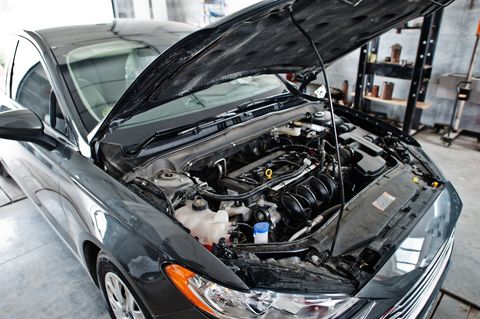
Internal combustion engines burn fuel inside cylinders to produce power. They have been the dominant engine type for over a century.
Key characteristics include:
-
Use of gasoline or diesel
-
Mechanical complexity with pistons, valves, and crankshafts
-
Widespread availability and established infrastructure
Electric Motors
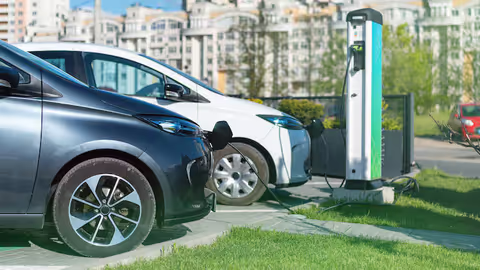
Electric engines use stored electrical energy to drive a motor. They represent a fundamental shift away from combustion-based systems.
Notable features include:
-
Instant torque delivery
-
Fewer moving parts compared to combustion engines
-
Dependence on batteries and charging infrastructure
Hybrid Engines
Hybrid systems combine an internal combustion engine with an electric motor. The goal is to balance efficiency and flexibility.
Typical traits include:
-
Energy recovery during braking
-
Reduced fuel usage in urban driving
-
Increased system complexity
Hydrogen and Alternative Engines
Some engines rely on hydrogen fuel or other alternative energy sources. These systems are still evolving and are often discussed in research and pilot applications.
Engine Types and Energy Flow Comparison
| Engine Type | Primary Energy Source | Emissions at Use | Mechanical Complexity |
|---|---|---|---|
| Internal Combustion | Liquid fuel | High | High |
| Electric | Electricity | None | Low |
| Hybrid | Fuel + electricity | Medium | Very high |
| Hydrogen-based | Hydrogen | Low | High |
This table highlights how energy sources and complexity vary across engine types, shaping their real-world applications.
Recent Updates: Trends and Developments in the Past Year
Over the past year, engine technology discussions have increasingly focused on efficiency improvements and emissions reduction. In 2025, several trends became more prominent across global automotive markets.
One major development has been the refinement of battery technology, improving energy density and durability. This has influenced electric and hybrid engine designs, allowing longer driving ranges and more consistent performance.
Another trend observed in late 2024 and early 2025 is the gradual decline in purely mechanical engine innovation, with more emphasis on software integration. Engine management systems now play a larger role in optimizing power delivery and energy use.
Additionally, research into alternative fuels, including hydrogen combustion and synthetic fuels, has expanded. While still limited in everyday application, these engines are being studied as potential long-term solutions for reducing emissions without abandoning familiar engine architectures.
Laws and Policies: How Regulations Shape Engine Design
Government rules and policies significantly influence which engine types are developed and adopted. Emissions standards, fuel economy targets, and long-term climate goals all affect automotive engineering decisions.
Many countries enforce strict limits on tailpipe emissions, encouraging the development of engines that produce fewer pollutants. These regulations often favor electric and hybrid systems while pushing traditional combustion engines to become cleaner and more efficient.
Some governments also support long-term transition plans aimed at reducing dependence on fossil fuels. These frameworks do not directly ban specific engines but create incentives for lower-emission technologies and gradual infrastructure adaptation.
As a result, engine design is no longer driven solely by performance goals. Compliance with environmental and safety regulations has become a central part of automotive engineering.
Tools and Resources: Supporting Understanding of Car Engine Types
Several tools and resources help readers deepen their understanding of car engine types without requiring advanced technical knowledge.
Helpful examples include:
-
Interactive engine simulators that visualize energy flow
-
Fuel efficiency and emissions comparison calculators
-
Educational diagrams explaining engine components
-
Automotive glossaries defining technical terms
These resources are commonly used in academic settings and self-guided learning. They help translate complex mechanical concepts into accessible visual and numerical explanations.
Engine Efficiency and Usage Patterns
| Driving Context | Engine Type Often Used | Reasoning Summary |
|---|---|---|
| Urban commuting | Electric or hybrid | Efficient at low speeds and stops |
| Long-distance travel | Internal combustion | Extended range and refueling speed |
| Mixed driving | Hybrid | Adaptive energy management |
This table shows how engine types align with different usage patterns, emphasizing that no single engine is ideal for every scenario.
FAQs: Common Questions About Car Engine Types
1. What is the main difference between combustion and electric engines?
Combustion engines generate power by burning fuel, while electric engines use stored electrical energy to drive a motor. This difference affects emissions, noise, and mechanical complexity.
2. Are hybrid engines more efficient than traditional engines?
Hybrid engines are generally designed to improve efficiency, especially in stop-and-go driving. They use electric assistance to reduce fuel consumption under certain conditions.
3. Do engine types affect maintenance requirements?
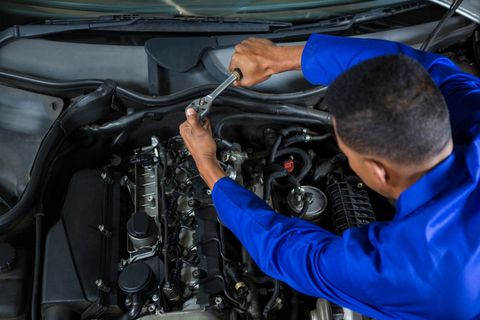
Yes. Engines with more moving parts typically require more frequent mechanical attention. Electric engines, with fewer components, have different maintenance considerations focused on electrical systems.
4. Why are alternative engines still uncommon?
Alternative engines often require specialized infrastructure or ongoing research. While promising, they face practical challenges related to scalability and standardization.
5. Will one engine type replace all others?
It is unlikely that a single engine type will meet all needs. Different engines address different priorities, such as range, efficiency, and energy availability.
Conclusion
Car engine types reflect the history, priorities, and future direction of transportation technology. From traditional internal combustion systems to electric and hybrid designs, each engine type represents a response to specific technical and societal challenges.
Understanding these engines provides insight into how vehicles function and why the automotive landscape continues to change. As regulations evolve and technology advances, engine diversity remains an important aspect of mobility, efficiency, and environmental responsibility.