Discover Belt Pulley Production Equipment: Facts, Knowledge, and Practical Advice
Belt pulley production equipment refers to the machines, systems, and tools used to manufacture pulleys that transmit power between rotating shafts through belts. Pulleys are essential mechanical components found in conveyor systems, automotive assemblies, agricultural equipment, HVAC units, and heavy industrial machinery.
A pulley works by guiding and supporting a belt while transferring torque and motion. To ensure smooth performance, pulleys must be precisely manufactured with accurate dimensions, balanced weight distribution, and durable surface finishing. This need for precision has led to the development of advanced industrial machinery and precision engineering systems specifically designed for pulley production.
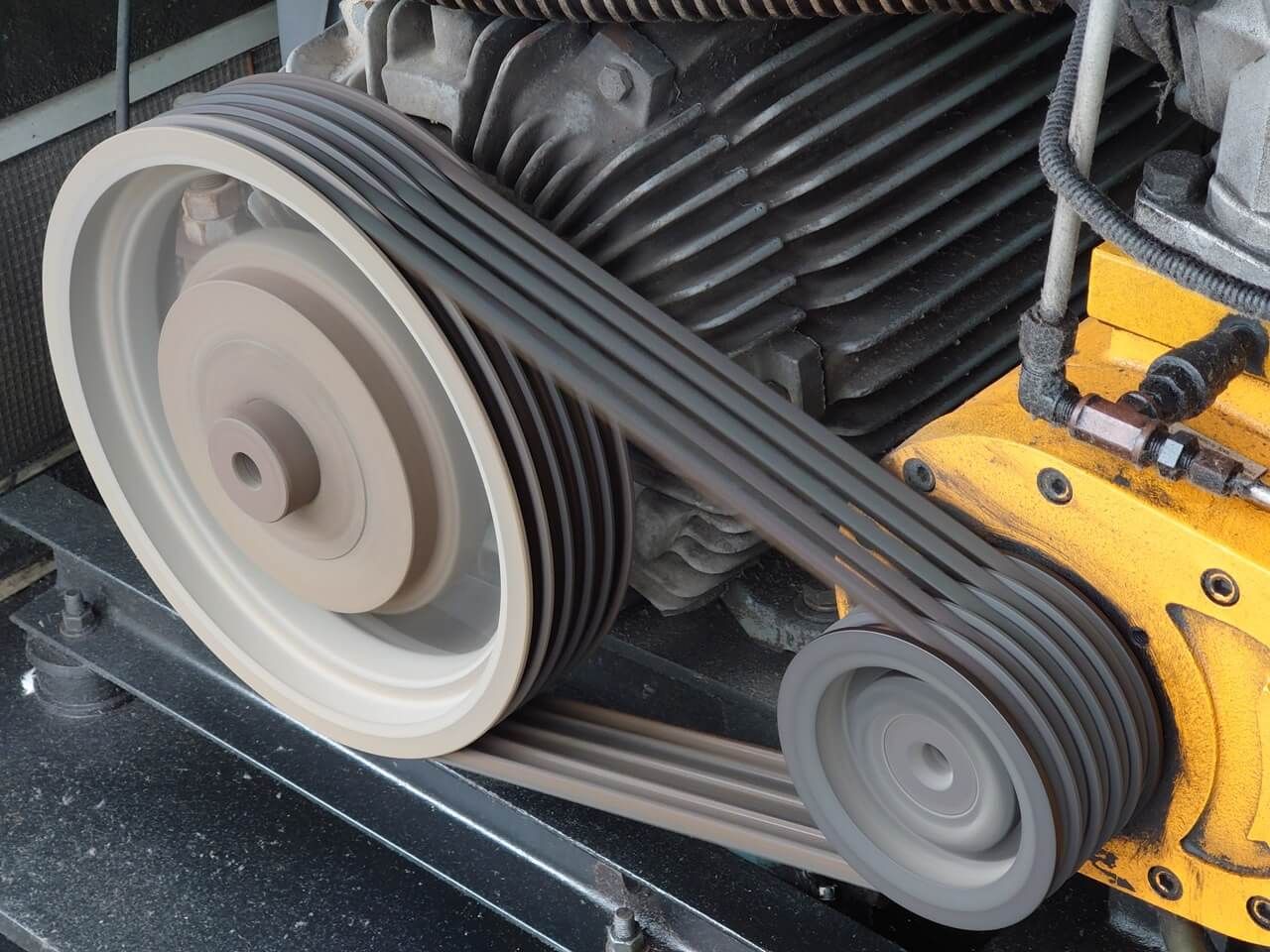
Belt pulley production equipment exists to streamline this manufacturing process. It combines casting, machining, drilling, balancing, and surface treatment operations into an efficient workflow. Modern production lines rely on CNC machining centers, automated inspection tools, and industrial automation solutions to maintain consistent quality and productivity.
Why Belt Pulley Production Equipment Matters Today
The demand for reliable heavy machinery components continues to grow as industries expand infrastructure, logistics, and manufacturing capabilities. Belt pulleys play a critical role in maintaining operational efficiency across many sectors.
Key reasons this equipment is important include:
-
Production Line Efficiency: High-precision machinery ensures pulleys are manufactured with minimal defects, reducing downtime in industrial systems.
-
Mechanical Reliability: Accurate groove design and balancing improve belt alignment and reduce vibration.
-
Energy Efficiency: Properly manufactured pulleys minimize friction losses and improve overall system performance.
-
Industrial Automation Compatibility: Modern facilities integrate pulley production with digital monitoring and automated material handling systems.
Industries affected include:
-
Automotive manufacturing
-
Construction equipment production
-
Agricultural machinery fabrication
-
Mining and material handling sectors
-
HVAC and industrial ventilation systems
Without specialized manufacturing technology, pulley defects can lead to belt slippage, premature wear, energy loss, and mechanical breakdown. High-quality production equipment addresses these risks through controlled machining and standardized inspection procedures.
Key Components of a Belt Pulley Production Line
A typical production setup includes several integrated systems:
| Stage | Equipment Used | Purpose |
|---|---|---|
| Casting/Forming | Molding systems or forging presses | Create initial pulley shape |
| Rough Machining | CNC lathe | Shape outer diameter and bore |
| Groove Cutting | CNC milling or turning tools | Form belt grooves accurately |
| Drilling & Keyway | Slotting machine | Ensure shaft compatibility |
| Balancing | Dynamic balancing machine | Reduce vibration |
| Surface Finishing | Grinding or coating systems | Improve durability |
Each stage contributes to the final performance of the pulley. Automation improves repeatability, while digital sensors monitor tolerances in real time.
Recent Developments in Pulley Manufacturing Technology
Over the past year, several trends have shaped the evolution of industrial machinery used in pulley manufacturing.
Increased Integration of Industrial IoT (IIoT):
Manufacturers are implementing sensor-based monitoring systems to track spindle vibration, tool wear, and dimensional accuracy. These systems enable predictive maintenance and reduce unexpected equipment downtime.
AI-Assisted CNC Programming:
AI-driven software now assists in optimizing tool paths and cycle times. This improves machining efficiency and reduces material waste.
Sustainable Manufacturing Practices:
Production facilities are adopting energy-efficient motors and coolant recycling systems to lower environmental impact. Data monitoring tools track energy consumption across machining stages.
Robotic Material Handling:
Collaborative robots are increasingly used to load and unload pulleys from CNC machines. This enhances safety and supports continuous production.
These advancements reflect a broader shift toward smart manufacturing environments where mechanical engineering equipment is integrated with data analytics and automation platforms.
Regulatory and Policy Considerations
Belt pulley production equipment is influenced by industrial standards and mechanical safety regulations. Although rules vary by region, common regulatory themes include:
-
Workplace Safety Compliance: Machinery must meet occupational safety standards regarding guarding, emergency stops, and operator protection.
-
Environmental Regulations: Facilities are often required to manage metal waste, coolant disposal, and emissions responsibly.
-
Quality Standards: Manufacturing processes frequently follow internationally recognized quality management frameworks such as ISO-based systems.
-
Energy Efficiency Programs: Government-backed sustainability initiatives encourage industries to adopt energy-saving industrial automation solutions.
Compliance ensures not only worker safety but also consistent product reliability. Manufacturers typically implement documented quality assurance procedures and maintain inspection records to meet regulatory expectations.
Tools and Resources for Belt Pulley Manufacturing
Professionals working with belt pulley production equipment often rely on digital tools and technical resources to enhance precision and operational planning.
Engineering Software
-
CAD platforms for pulley design modeling
-
CAM software for CNC tool path generation
-
Finite element analysis tools for stress testing
Online Engineering Calculators
-
Belt tension calculators
-
Pulley diameter ratio calculators
-
Rotational speed conversion tools
Technical Standards Resources
-
Engineering handbooks on mechanical power transmission
-
Industrial design reference manuals
-
Material selection databases
Monitoring and Analytics Tools
-
CNC machine monitoring dashboards
-
Predictive maintenance software
-
Vibration analysis applications
These tools improve design accuracy, production line efficiency, and long-term mechanical reliability.
Visual Overview of Production Workflow
Below is a simplified representation of the pulley manufacturing flow:
Raw Material → Casting/Forming → CNC Machining → Groove Cutting → Balancing → Inspection → Surface Treatment → Final Testing
Data monitoring systems now collect performance information at each stage, helping manufacturers refine machining parameters and maintain consistent quality.
Frequently Asked Questions
What materials are commonly used in belt pulley manufacturing?
Cast iron, steel alloys, aluminum, and composite materials are widely used. The material choice depends on load requirements, rotational speed, and environmental conditions.
How does CNC machining improve pulley accuracy?
CNC systems use programmed instructions to control cutting tools with high precision. This ensures consistent groove geometry, bore alignment, and dimensional tolerance.
Why is balancing important in pulley production?
Dynamic balancing reduces vibration during operation. An unbalanced pulley can cause premature bearing wear and mechanical stress in connected equipment.
What role does automation play in production?
Automation enhances repeatability, reduces manual intervention, and improves production line efficiency. It also supports data collection for quality control.
How does predictive maintenance benefit manufacturing facilities?
By analyzing machine performance data, predictive maintenance identifies potential issues before failure occurs. This minimizes downtime and extends equipment lifespan.
Challenges in Belt Pulley Production
Manufacturers face several technical challenges:
-
Maintaining tight dimensional tolerances
-
Preventing surface defects during machining
-
Managing tool wear in high-volume production
-
Balancing production speed with quality standards
Addressing these challenges requires a combination of advanced manufacturing technology, skilled operators, and real-time monitoring systems.
Future Outlook for Mechanical Engineering Equipment
The direction of pulley production equipment aligns with broader industrial automation solutions. Emerging technologies include:
-
Digital twin modeling for production simulation
-
Advanced robotics integration
-
Smart sensors embedded directly in machinery
-
Enhanced data analytics platforms
As industrial systems become more interconnected, pulley manufacturing will increasingly rely on digital frameworks that optimize precision engineering systems and streamline heavy machinery component production.
Conclusion
Belt pulley production equipment forms the backbone of mechanical power transmission manufacturing. From casting and CNC machining to balancing and inspection, each stage contributes to the reliability and performance of industrial machinery.
Modern advancements in manufacturing technology, industrial automation, and data-driven monitoring have significantly improved precision, safety, and operational efficiency. Regulatory standards ensure that production processes meet safety and environmental expectations, while engineering tools and digital platforms support continuous improvement.