Discover Aircraft Tow Tractors: Information & Practical Advice
Aircraft tow tractors, often referred to as aircraft tugs, are specialized ground support vehicles designed to move aircraft on the ground. They are part of a broader category known as aviation ground support equipment (GSE), which includes machinery used for aircraft maintenance operations, baggage handling, and airport logistics management.
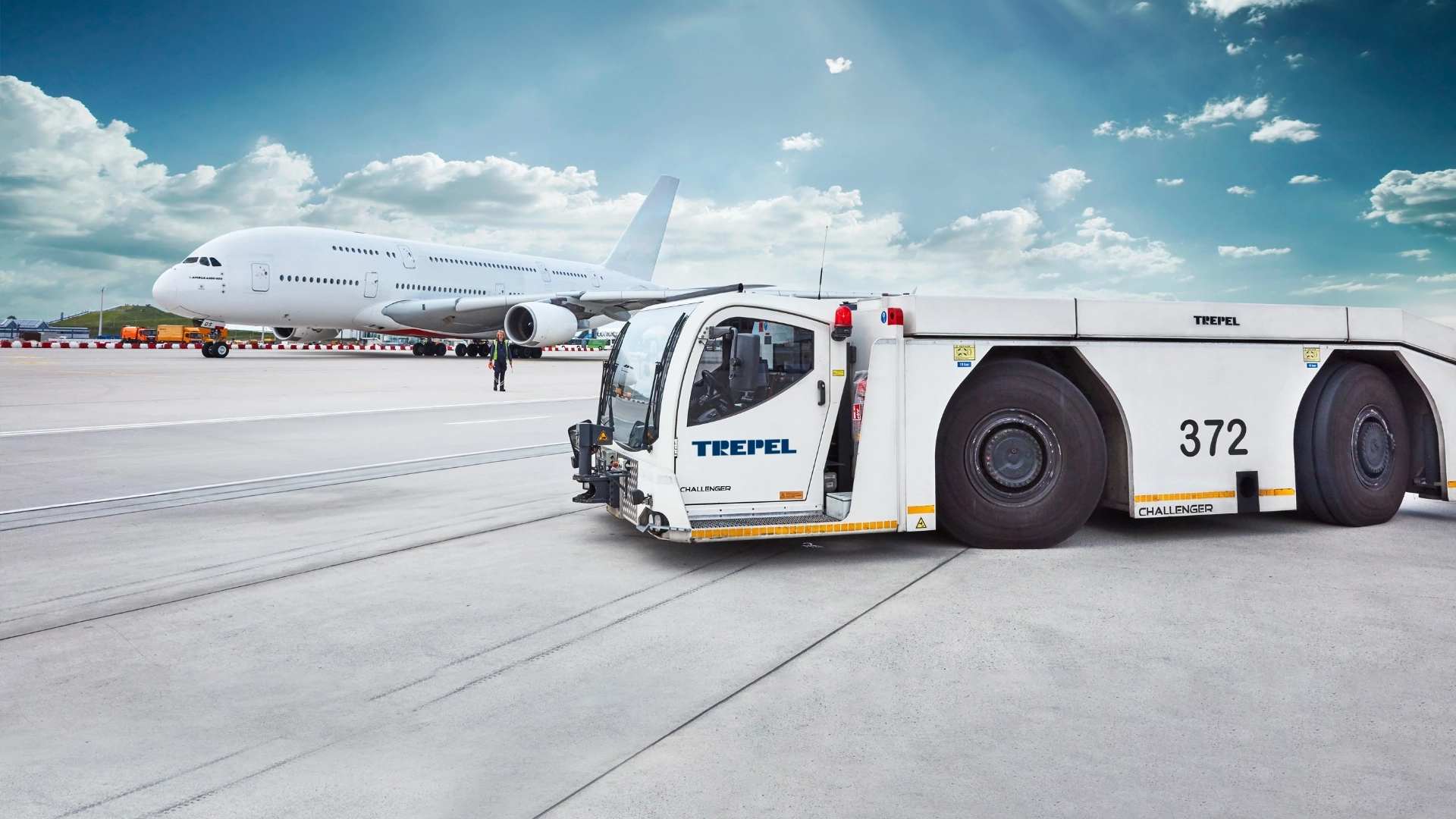
Aircraft cannot reverse on their own due to jet engine design and safety considerations. Tow tractors exist to safely reposition aircraft between gates, hangars, maintenance areas, and runways without engaging engines. This improves operational safety, reduces fuel use, and minimizes noise in congested airport environments.
There are two primary types:
• Towbar tractors – Use a towbar connected to the aircraft’s nose gear
• Towbarless tractors – Lift and secure the nose wheel directly without a separate bar
Towbarless models are widely used in modern airport ground handling operations because they reduce setup time and improve maneuverability.
Aircraft tow tractors vary in size and capacity depending on aircraft type. Smaller units handle regional jets, while heavy-duty tractors move wide-body aircraft used for long-haul routes. The engineering behind these machines focuses on torque control, braking precision, and traction stability to prevent gear stress or structural damage.
Why Aircraft Tow Tractors Matter in Modern Airport Logistics
Aircraft tow tractors play a central role in aviation safety compliance and operational efficiency. As global air travel continues to expand, airport infrastructure faces increasing congestion. Efficient ground handling operations reduce turnaround time and improve schedule reliability.
These vehicles matter for several reasons:
Operational Efficiency
Quick repositioning of aircraft allows airports to manage gate utilization effectively. This directly impacts flight schedules and passenger flow.
Fuel and Emissions Reduction
Moving aircraft with engines off significantly reduces fuel consumption. Many airports promote electric aircraft towing systems as part of broader sustainability goals.
Safety Enhancement
Ground handling is one of the most risk-sensitive areas in aviation. Properly designed tow tractors include advanced braking systems, traction control, and load monitoring to reduce accident risks.
Maintenance Optimization
Aircraft often require repositioning for inspections or repairs. Tow tractors support aircraft maintenance operations by enabling safe hangar transfers.
Infrastructure Compatibility
Airports are evolving into highly digitized ecosystems. Modern ground support vehicles integrate with airport logistics management software for improved tracking and coordination.
Airlines, airport authorities, maintenance providers, and regulatory bodies all depend on reliable towing systems to maintain consistent operations.
Recent Updates and Industry Trends
The aircraft towing sector has experienced notable technological and operational shifts over the past year.
Shift Toward Electric Aircraft Towing Systems
Airports increasingly transition from diesel-powered tractors to battery-electric models. Electric variants help reduce carbon emissions and noise pollution. Several major international airports have expanded their electric GSE fleets as part of sustainability commitments.
Smart Telematics Integration
Newer models now incorporate telematics systems that monitor vehicle health, towing loads, and operator performance. This data supports predictive maintenance and reduces downtime.
Automation and Remote Control Testing
Trials involving semi-autonomous tow tractors have been conducted at select airports. These systems aim to enhance precision and reduce human error in tight operational spaces.
Stronger Emphasis on Aviation Safety Compliance
Recent regulatory reviews have reinforced the importance of operator training and standardized towing procedures. Ground incidents, though rare, have prompted airports to review towing protocols and invest in updated equipment.
Enhanced Battery Technology
Improvements in lithium-ion battery capacity have extended operating cycles for electric tractors, making them more practical for high-traffic airports.
These developments reflect broader aviation industry trends toward digital transformation, environmental responsibility, and operational safety.
Legal and Regulatory Considerations in Aircraft Towing
Aircraft tow tractors operate within a structured framework of aviation safety compliance and operational regulations. Although specific country laws vary, several general regulatory principles apply globally.
Aviation Authority Oversight
National civil aviation authorities set guidelines for ground handling procedures. These include safe towing speeds, equipment certification, and operator qualifications.
Occupational Safety Regulations
Ground crew members must follow workplace safety standards. These rules govern visibility requirements, communication protocols, and protective equipment.
Environmental Standards
Airports often implement environmental compliance measures that influence equipment selection, especially regarding emissions and noise limits.
Equipment Certification Requirements
Tow tractors must meet technical performance and safety benchmarks before deployment. Regular inspections and maintenance documentation are typically mandatory.
Training and Documentation
Ground handling staff must undergo standardized training programs. Documentation of towing procedures and safety checks is commonly required to maintain operational approval.
Compliance ensures safe integration of towing operations within broader airport management systems.
Technical Comparison of Towbar vs Towbarless Systems
| Feature | Towbar Tractor | Towbarless Tractor |
|---|---|---|
| Connection Method | Separate towbar attached | Direct nose gear lifting |
| Setup Time | Moderate | Faster |
| Flexibility Across Models | Requires different towbar types | Often adaptable to multiple aircraft |
| Maneuverability | Good | High precision control |
| Maintenance Complexity | Lower equipment complexity | Higher mechanical integration |
This comparison highlights how evolving airport needs influence equipment selection.
Tools and Resources for Aircraft Towing Operations
Professionals working in airport ground handling operations rely on various digital and technical tools:
• Airport logistics management software for fleet tracking
• Telematics dashboards for vehicle performance monitoring
• Aircraft weight and balance calculators
• Maintenance management systems for GSE tracking
• Civil aviation authority websites for compliance updates
• Training simulators for operator certification
Many aviation industry associations also publish technical manuals and safety guidelines related to aircraft towing procedures.
Digital recordkeeping platforms improve documentation accuracy and simplify compliance audits.
Common Operational Workflow in Aircraft Towing
Below is a simplified overview of how towing typically occurs:
-
Pre-tow inspection of tractor and aircraft nose gear
-
Confirmation of aircraft weight and towing capacity
-
Secure attachment (towbar or towbarless engagement)
-
Communication coordination between ground crew
-
Controlled movement within designated speed limits
-
Final positioning and disconnection
-
Post-operation inspection
Each step emphasizes safety, communication clarity, and equipment reliability.
Frequently Asked Questions
What is the main function of an aircraft tow tractor?
An aircraft tow tractor moves aircraft safely on the ground without engine power. It helps reposition aircraft between gates, maintenance areas, and runways.
Are electric aircraft towing systems reliable for heavy aircraft?
Modern electric models are designed with high torque output and advanced battery systems. Many airports now use them for both narrow-body and wide-body aircraft.
How do towbarless tractors reduce ground handling time?
Towbarless tractors eliminate the need for separate towbar attachment, which speeds up setup and improves maneuverability.
What safety checks are required before towing an aircraft?
Operators typically verify nose gear condition, aircraft weight compatibility, brake release status, communication systems, and towing path clearance.
Do aircraft tow tractors require special training?
Yes. Operators must complete aviation safety compliance training and follow standardized towing procedures set by aviation authorities.
Conclusion
Aircraft tow tractors are a foundational element of aviation ground support equipment. They enable safe, efficient, and environmentally conscious aircraft movement across airport infrastructure.
As air travel expands and sustainability initiatives intensify, electric aircraft towing systems and smart telematics integration are reshaping airport ground handling operations. Regulatory compliance, digital monitoring tools, and enhanced operator training contribute to improved safety standards.
Understanding the function, importance, and regulatory context of aircraft tow tractors helps aviation professionals, airport planners, and industry observers better appreciate the complexity behind everyday airport operations.