Digital Twin Modeling: An Explore Guide with Key Insights & Helpful Details
Digital twin modeling refers to the creation of a virtual representation of a physical asset, process, or system. This virtual model behaves like the real-world version, allowing users to observe conditions, test scenarios, and predict performance. High-value informational keywords often associated with this topic include digital transformation, predictive analytics, industrial automation, IoT platforms, data analytics tools, and smart manufacturing systems.
The idea exists because modern operations have become more complex and produce large volumes of data. Organizations needed a method to interpret physical conditions without disturbing real-time operations. A digital twin helps bridge this gap by syncing data from sensors, simulations, and historical records into one interactive model.
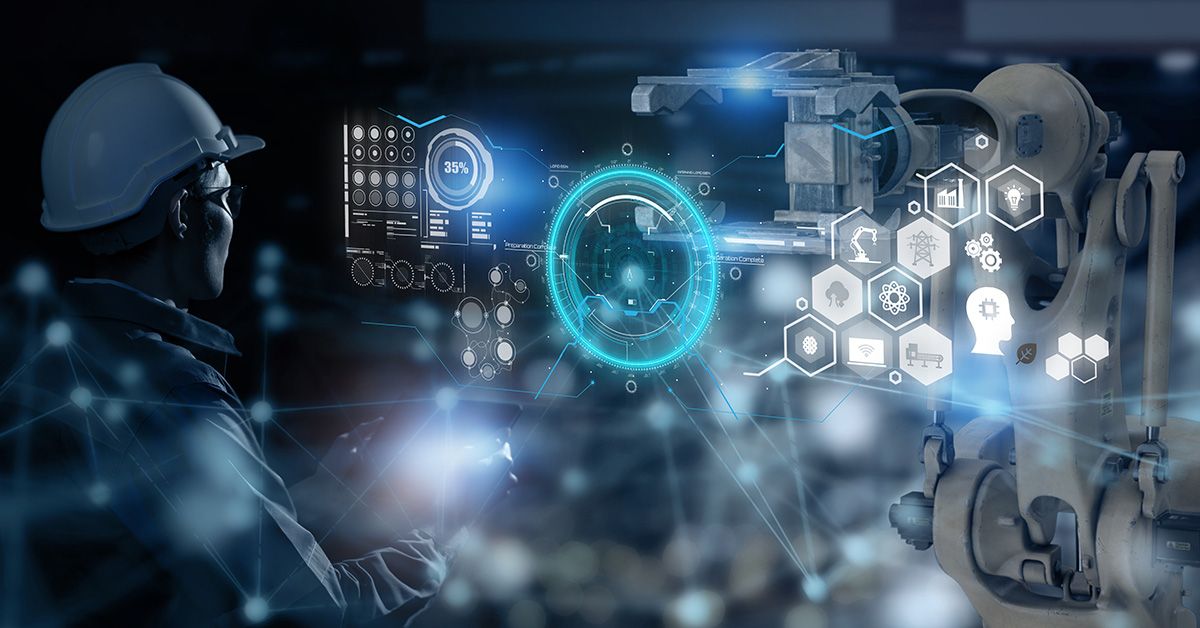
Digital twin modeling originally supported manufacturing and engineering, but it has since expanded into healthcare simulations, urban development, energy infrastructure, agriculture optimization, aerospace modeling, and transportation planning. As computing power and data analytics evolved, so did the accuracy and usefulness of digital twins.
Importance: Why Digital Twin Modeling Matters Today
Digital twin modeling has become a key technology in sectors that rely on data-driven decision-making, optimization, and monitoring.
Key reasons for its growing importance include:
-
Predictive insights: Helps identify issues before they occur by using real-time sensor data and predictive modeling.
-
Efficiency improvements: Supports better design, resource planning, and process optimization.
-
Risk reduction: Allows testing ideas virtually before applying them in real life, reducing operational risks.
-
Performance monitoring: Offers a continuous view of how assets or systems are functioning.
-
Sustainability support: Aids in analyzing energy use, environmental impact, and operational waste.
Who benefits from digital twin modeling?
-
Manufacturing and production teams
-
Urban planners and infrastructure managers
-
Engineers designing new products or systems
-
Healthcare professionals developing simulation models
-
Developers working with robotics and automation
-
Energy and utility networks monitoring grid performance
Problems digital twins help solve:
-
Inefficient resource usage
-
Equipment outages or unexpected failures
-
Slow decision-making due to lack of accurate data
-
Safety concerns in high-risk environments
-
Difficulty predicting the impact of design changes
-
Limited visibility into system interactions
Digital twin modeling supports strategic planning, forecasting, and long-term optimization, making it highly relevant today.
Recent Updates: Trends and Developments in Digital Twin Technology
The digital twin field continues to expand, influenced by AI evolution, advanced simulation engines, and integrated sensor ecosystems. Below are some notable developments from the past year.
Growing use of AI-driven predictive modeling
Recent updates highlight an increase in AI-powered digital twins that automatically learn from real-time data. This shift enables more accurate forecasting and scenario testing. AI integration has become a standard feature in digital twin platforms.
Expansion of digital twins in smart city development
Many smart city projects adopted digital twin modeling to analyze traffic flow, energy distribution, emergency planning, and environmental patterns. Public reports throughout the year showed a rising interest in urban digital twins for sustainability and planning.
Integration with edge computing
As latency-sensitive applications grew, digital twin systems began adopting edge computing. This allowed faster processing and improved responsiveness, especially in industrial automation and robotics.
Use of digital twins for climate and environmental modeling
Several research groups released updates showing how digital twins are being used to model climate patterns, water systems, and agricultural environments. These updates emphasized the value of using simulation-based insights for environmental planning.
Development of multi-layer digital twin ecosystems
A strong trend involved the creation of system-of-systems twins—large digital environments combining multiple models. These developments were widely discussed in technology forums and industry publications throughout the year.
Laws or Policies: Regulatory Considerations Affecting Digital Twin Modeling
While specific country laws are not included as requested, digital twin modeling is influenced by broad regulatory areas that apply internationally. These guidelines help shape how organizations design, use, and manage digital twin environments.
Data Protection and Privacy Regulations
Digital twins rely heavily on real-time data from sensors, connected devices, and monitoring systems. General data protection norms require organizations to ensure:
-
Secure data handling methods
-
Transparency about data usage
-
Responsible AI and analytics practices
-
Protection of personally identifiable information
These considerations are especially important for digital twins in healthcare, urban development, and smart environments.
Cybersecurity Frameworks
Digital twin platforms often connect to critical infrastructure. To reduce risks, organizations refer to recognized cybersecurity frameworks that outline:
-
Secure device connectivity
-
Encryption methods
-
Monitoring of system vulnerabilities
-
Incident response standards
These guidelines help prevent unauthorized access and protect digital twin ecosystems.
Digital Governance and AI Ethics Policies
AI-enhanced digital twins must follow general digital governance principles, including:
-
Fairness and accountability
-
Transparent model behavior
-
Monitoring of automated decisions
-
Ethical use of simulation outputs
These policies guide responsible use of predictive models and automated insights.
Environmental and Industry Standards
Digital twins used in energy, construction, and engineering often align with standards relating to:
-
Environmental impact assessments
-
Engineering safety guidelines
-
Structural modeling standards
-
Equipment monitoring recommendations
Such frameworks promote safe and accurate system modeling without referencing specific jurisdictions.
Tools and Resources: Helpful Platforms and Guides for Digital Twin Modeling
Several tools and resources support learning, development, and implementation of digital twin modeling. These include modeling platforms, simulation engines, documentation, and learning resources.
Modeling and Simulation Tools
-
Industrial simulation platforms that support predictive analytics, system modeling, and real-time tracking.
-
IoT integration platforms that collect sensor data and connect physical systems to digital models.
-
3D design and engineering modeling tools used to create virtual representations of machinery, buildings, or components.
Data and Analytics Resources
-
Cloud-based analytics tools for real-time processing and monitoring.
-
Machine learning workbenches that help train predictive models used in digital twins.
-
Data visualization dashboards that make complex system behavior easy to understand.
Guides and Templates
-
Digital twin architecture templates that outline standard system layers.
-
Workflow documentation templates for managing simulation processes.
-
Learning portals offering foundational courses on modeling, simulation, and IoT connectivity.
Helpful Websites and Information Hubs
-
Technology documentation libraries for simulation and modeling tools
-
Research portals focusing on digital transformation and predictive analytics
-
Educational websites offering introductory guides on digital twin frameworks
Example Table: Types of Digital Twin Models
| Digital Twin Type | Description | Common Uses |
|---|---|---|
| Component Twin | Represents a single part or device | Machinery parts, sensors |
| Asset Twin | Connects multiple components into one model | Equipment monitoring |
| System Twin | Represents an entire system or process | Production lines, workflows |
| Process Twin | Simulates end-to-end operations | Logistics, supply chains |
| Environmental Twin | Models surroundings or ecosystems | Cities, climate modeling |
FAQs
1. What is the main purpose of a digital twin?
Its purpose is to create a virtual model of a real-world asset or system so users can monitor performance, test ideas, and predict outcomes without affecting actual operations.
2. How does a digital twin receive data?
It receives data from sensors, IoT devices, historical records, and analytics platforms. These inputs keep the virtual model synchronized with real-world conditions.
3. Are digital twins only used in industrial environments?
No. Digital twins now support healthcare simulation, environmental planning, transportation systems, agriculture analysis, and many other fields.
4. What skills are useful for understanding digital twin modeling?
Basic knowledge of data analytics, simulation concepts, IoT connectivity, and system modeling helps, but many tools are beginner-friendly and designed for learning.
5. How does AI improve digital twin modeling?
AI enhances predictive accuracy, automates scenario testing, and identifies patterns that may not be visible through manual analysis.
Conclusion
Digital twin modeling has become a core technology in modern digital ecosystems. It brings together real-time data, predictive analytics, and simulation capabilities to create accurate virtual models of physical systems. These models help improve efficiency, reduce risks, and support informed decision-making. With expanding applications across industries, ongoing advances in AI, and stronger data governance practices, digital twin modeling continues to evolve as a valuable tool for understanding and improving complex environments. This guide highlights the foundational concepts, importance, trends, governance considerations, and useful resources that support learning and exploration in this area.