Deep Sea Diving Tours Explained: Basics, Knowledge, and Helpful Information
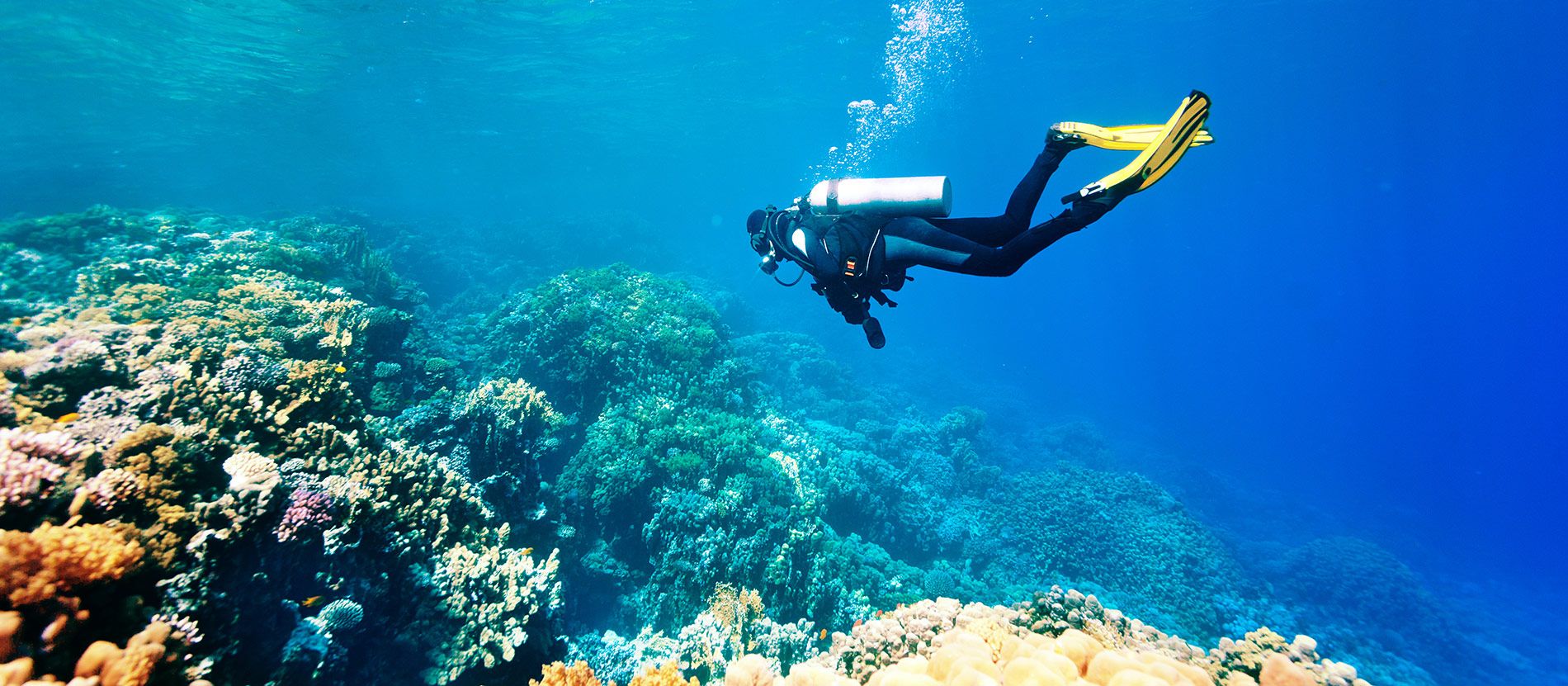
Deep sea diving tours are organized underwater exploration activities designed to take participants beyond shallow coastal waters into deeper marine zones. These tours exist to support safe access to environments that are otherwise difficult to reach without specialized equipment, training, and guidance. Unlike casual snorkeling or surface-level activities, deep sea diving focuses on observing underwater ecosystems, geological formations, and marine species found at greater depths.
The concept developed as diving technology improved, allowing longer submersion times and better pressure management. Today, deep sea diving tours combine scientific knowledge, environmental awareness, and structured planning to make underwater exploration accessible in a controlled and educational way.
Importance
Deep sea diving tours matter because they bridge the gap between humans and one of the least explored parts of the planet. Large portions of the ocean remain unseen by the general public, and guided dives help people understand marine biodiversity, underwater geology, and ocean behavior in real conditions.
These tours affect multiple groups, including marine researchers, environmental educators, and individuals interested in ocean knowledge. They also help address key challenges such as lack of public awareness about marine ecosystems and limited understanding of underwater conservation issues.
By providing structured exposure to deep marine environments, deep sea diving tours support learning, observation, and responsible interaction with underwater life. They also contribute to broader discussions about ocean sustainability and human impact on marine systems.
Recent Updates
In recent times, deep sea diving tours have seen notable developments in equipment reliability, safety monitoring, and environmental guidelines. Dive computers now provide more precise depth tracking and decompression information, improving overall awareness during dives.
Another trend is the increased emphasis on low-impact diving practices. Updated guidelines encourage minimal contact with marine life and stricter buoyancy control to reduce ecosystem disturbance. Educational briefings before dives have become more detailed, focusing on marine behavior and underwater navigation.
Digital planning tools have also become more common, helping divers review dive profiles, water conditions, and safety procedures in advance. These updates reflect a growing focus on safety, accuracy, and environmental responsibility.
Laws or Policies
Deep sea diving tours operate within regulatory frameworks designed to protect both divers and marine environments. Rules typically address diver certification requirements, depth limitations, equipment standards, and environmental protection measures.
Policies often require operators to follow established safety protocols, maintain proper emergency procedures, and respect protected marine areas. Environmental rules may restrict interaction with wildlife, prohibit the removal of underwater objects, and control dive frequency in sensitive zones.
Such regulations exist to reduce risks, prevent ecological damage, and ensure that underwater exploration remains sustainable and educational rather than harmful.
Tools and Resources
Several tools and resources support safe and informed participation in deep sea diving tours. These resources focus on preparation, monitoring, and learning.
Commonly used tools and resources include:
-
Dive computers for depth and time tracking
-
Underwater navigation compasses
-
Digital dive log applications for recording dive details
-
Marine species identification guides
-
Educational platforms explaining diving physics and pressure effects
Example overview of key tools
| Tool Type | Primary Purpose | Key Benefit |
|---|---|---|
| Dive Computer | Depth and time monitoring | Improved safety awareness |
| Dive Log App | Record dive data | Learning from past dives |
| Marine Guide | Species identification | Better ecosystem understanding |
| Navigation Compass | Direction control | Safer underwater movement |
These tools help divers make informed decisions and improve their understanding of deep sea environments.
FAQs
What defines deep sea diving compared to regular diving?
Deep sea diving generally involves greater depths, specialized equipment, and more detailed planning compared to shallow recreational dives. It focuses on extended depth awareness and pressure management.
Is prior experience required for deep sea diving tours?
Most deep sea diving activities require participants to have foundational diving knowledge and certification. This ensures familiarity with safety procedures and underwater communication.
How long does a typical deep sea dive last?
Dive duration varies depending on depth, conditions, and safety limits. Time is carefully planned to manage air supply and decompression needs.
What can divers typically observe during deep sea dives?
Divers may encounter unique marine species, coral formations, and geological features that are not visible in shallow waters. Observations depend on location and depth.
Are deep sea diving tours environmentally responsible?
Modern tours emphasize low-impact practices, including controlled movement, wildlife respect, and adherence to environmental guidelines.
Conclusion
Deep sea diving tours provide structured access to underwater environments that are otherwise difficult to experience. They exist to combine exploration with education, allowing people to gain firsthand knowledge of deep marine ecosystems.
Their importance lies in promoting awareness, supporting learning, and encouraging responsible interaction with the ocean. With ongoing improvements in tools, safety practices, and environmental standards, deep sea diving tours continue to evolve as a valuable way to understand the underwater world in a clear, factual, and responsible manner.