Cultivators: A Complete Guide to Basics, Uses, and Key Insights
Cultivators are essential agricultural equipment used for soil preparation, weed control, and crop field management. They are designed to stir and loosen the soil either before planting or during crop growth. Unlike plows, which turn over large sections of soil, cultivators work more gently by breaking up clods, improving soil aeration, and controlling unwanted vegetation between crop rows.
The concept of cultivation has existed for centuries. Early farmers used hand tools to loosen soil around crops to promote healthy plant growth. Over time, agricultural machinery evolved, and mechanized cultivators became common tractor attachments in modern farming systems.
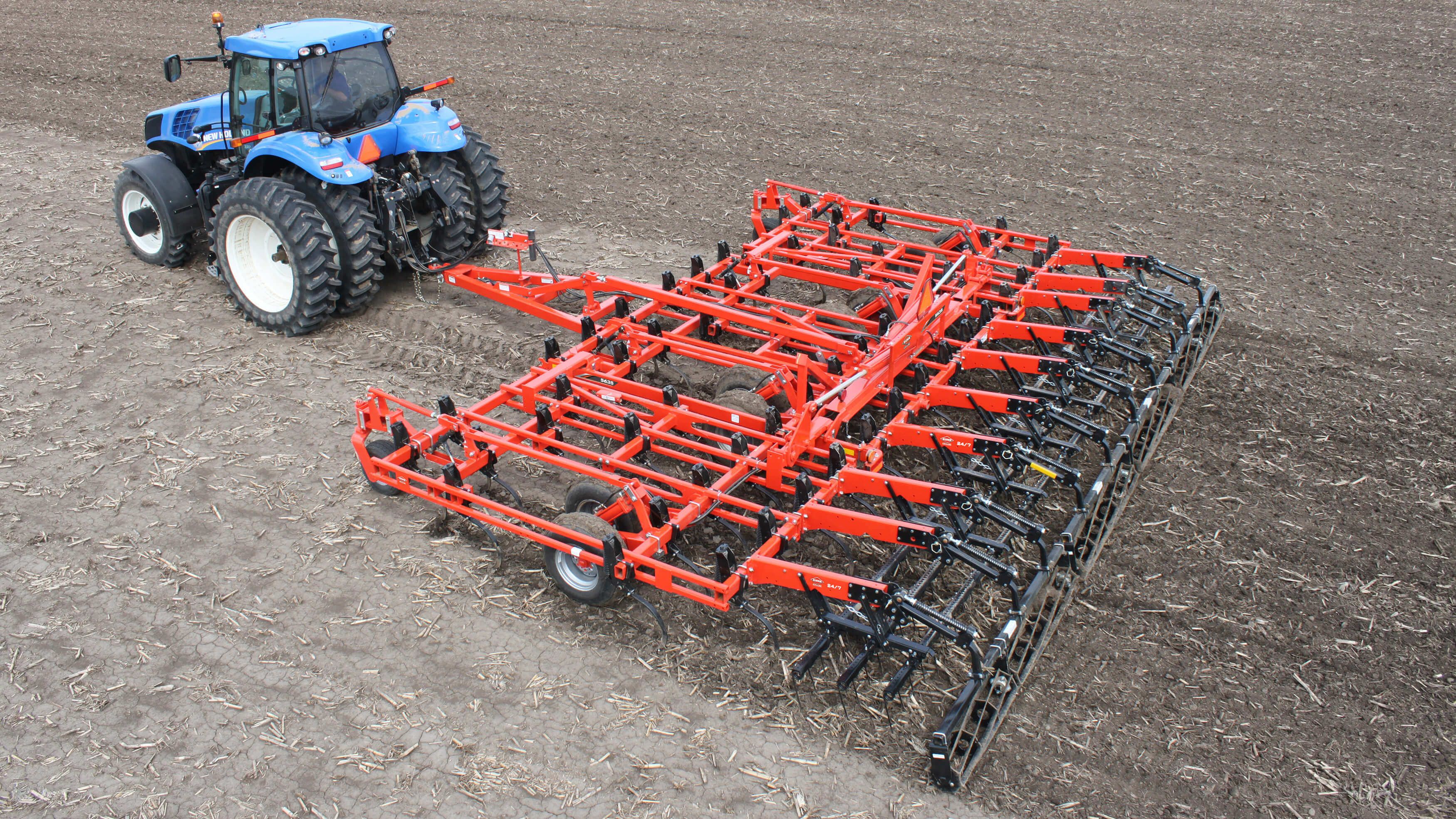
Today, cultivators range from simple hand-held tools used in small gardens to advanced tractor-mounted and hydraulic systems used in commercial agriculture. Their primary purpose remains the same: to create favorable soil conditions for seed germination and plant development while managing weeds efficiently.
Common types of cultivators include:
-
Spring tine cultivators
-
Rigid tine cultivators
-
Rotary cultivators (rotavators)
-
Row crop cultivators
-
Power cultivators for small farms
Each type serves a specific role depending on soil type, crop spacing, and farming scale.
Importance – Why Cultivators Matter Today
Cultivators play a critical role in sustainable farming practices and modern soil management strategies. As global agriculture focuses on higher productivity and environmental responsibility, efficient soil preparation has become more important than ever.
Healthy soil structure directly impacts crop yield, water retention, and nutrient availability. Cultivators help by:
-
Improving soil aeration
-
Enhancing moisture penetration
-
Breaking surface crusts
-
Reducing weed competition
-
Supporting uniform seedbed preparation
In precision agriculture systems, cultivators also contribute to controlled soil disturbance. Farmers increasingly aim to reduce excessive tillage to preserve soil microbiology and prevent erosion. Adjustable-depth cultivators allow targeted soil work without disturbing deeper soil layers.
Small-scale farmers benefit from compact power cultivators that reduce manual labor and improve efficiency. Large agricultural operations use multi-row cultivators connected to GPS-guided tractors to maintain accuracy and optimize fuel consumption.
The following table summarizes how cultivators impact agricultural productivity:
| Function | Benefit to Crops | Long-Term Impact |
|---|---|---|
| Soil Loosening | Better root penetration | Improved plant stability |
| Weed Control | Reduced nutrient competition | Higher crop quality |
| Moisture Management | Improved water absorption | Reduced irrigation stress |
| Surface Leveling | Uniform seed distribution | Consistent germination |
As climate variability affects farming cycles, proper soil conditioning through cultivation helps manage water retention and crop resilience.
Recent Updates – Trends and Developments
In the past year, agricultural technology has continued to integrate smart systems into traditional farm machinery. Cultivators are increasingly compatible with:
-
GPS-enabled tractors
-
Variable depth control systems
-
Soil monitoring sensors
-
Electric-powered compact models
Precision agriculture tools now allow farmers to adjust cultivation depth automatically based on soil condition data. This reduces unnecessary soil disturbance and improves energy efficiency.
Electric and hybrid cultivators have also gained attention, especially for small farms and greenhouse operations. These models reduce fuel dependency and lower emissions compared to conventional diesel-powered machinery.
Another noticeable trend is the integration of real-time data analytics. Some advanced cultivator systems connect with farm management software to track field operations, soil treatment zones, and crop growth performance.
In addition, manufacturers have improved tine durability and blade design to reduce wear and increase operational lifespan. Modular cultivator frames now allow farmers to adapt equipment for different crops without replacing entire units.
These developments reflect a broader shift toward sustainable farming equipment and climate-conscious agricultural practices.
Laws or Policies – Regulatory and Program Influence
Cultivator usage and agricultural machinery are influenced by environmental regulations and government-supported programs in many regions.
Policies related to soil conservation often encourage reduced tillage and controlled cultivation. In some areas, agricultural sustainability programs promote conservation agriculture techniques that limit excessive soil disruption.
Regulations may address:
-
Emission standards for agricultural machinery
-
Safe operation guidelines for tractor attachments
-
Soil protection and erosion prevention measures
-
Equipment safety certification requirements
Environmental compliance standards increasingly affect machinery design. Manufacturers are adapting engines and mechanical systems to meet emission benchmarks and noise-level regulations.
Government agricultural development programs sometimes provide technical guidance, training workshops, and subsidies for adopting energy-efficient farm machinery. These programs aim to improve food security while maintaining environmental balance.
In regions vulnerable to soil degradation, land management policies may recommend specific cultivation methods to protect topsoil health. Farmers are encouraged to combine cultivation with crop rotation, cover cropping, and organic soil improvement strategies.
Tools and Resources – Helpful Platforms and Technologies
Modern farming benefits from a wide range of digital tools and technical resources that complement cultivator usage.
Farmers and agricultural planners often rely on:
-
Soil health monitoring apps
-
Farm management software platforms
-
Agricultural extension service websites
-
Weather forecasting tools
-
Crop planning calculators
Precision agriculture platforms provide satellite-based field mapping that helps determine optimal cultivation depth and timing. Soil moisture sensors assist in deciding when to cultivate without causing compaction.
Below is a simplified comparison of commonly used digital tools in agriculture:
| Tool Type | Purpose | Benefit |
|---|---|---|
| Soil Testing Kits | Measure pH and nutrient levels | Improved fertilizer planning |
| GPS Field Mapping | Track cultivation paths | Reduced overlap and fuel usage |
| Farm Management Software | Record field activities | Better operational planning |
| Weather Monitoring Apps | Predict rainfall and temperature | Timely cultivation scheduling |
Educational resources from agricultural research institutions also publish soil preparation guidelines and machinery safety manuals. These materials help farmers understand proper tine spacing, blade configuration, and depth control.
Training programs and demonstration farms provide practical insights into efficient cultivator adjustments based on crop type and soil texture.
FAQs – Common Questions About Cultivators
What is the difference between a plow and a cultivator?
A plow turns over large sections of soil to prepare new fields, while a cultivator loosens and aerates the soil without fully inverting it. Cultivators are typically used for secondary tillage and weed control.
Can cultivators be used for all soil types?
Most cultivators are adjustable and can work in various soil conditions. However, heavy clay soils may require stronger tines, while sandy soils need lighter cultivation to prevent erosion.
How deep should cultivation be performed?
The depth depends on crop type and soil condition. Shallow cultivation is often preferred for weed control, while slightly deeper cultivation may be used for seedbed preparation.
Are cultivators suitable for small farms?
Yes. Compact power cultivators are designed for small agricultural plots and garden-scale farming. They reduce manual labor and improve soil consistency.
Does frequent cultivation harm soil health?
Excessive cultivation can disturb soil structure and reduce beneficial microorganisms. Controlled and minimal cultivation is generally recommended for long-term soil sustainability.
Conclusion
Cultivators remain a foundational component of agricultural equipment and soil preparation systems. From traditional hand tools to advanced GPS-integrated machinery, their role continues to evolve alongside modern farming innovations.
By improving soil aeration, controlling weeds, and supporting efficient crop establishment, cultivators contribute directly to agricultural productivity and environmental balance. Recent technological updates highlight the growing integration of precision agriculture tools and sustainable farming practices.