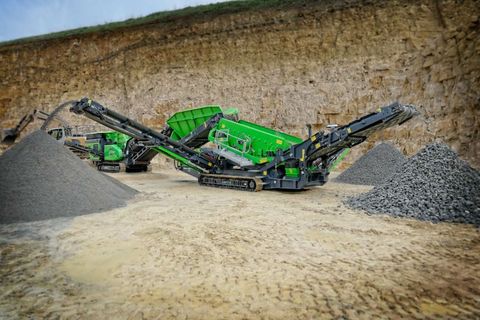
Crushing Gear Information: Overview, Explanation, and Smart Advice
Crushing gear refers to machines and supporting equipment used to break large rocks, minerals, concrete, or other solid materials into smaller sizes. This process is a core step in industries that depend on processed materials, such as construction, mining, road building, cement production, and recycling.
The idea behind crushing is simple: raw material often arrives in big chunks that are difficult to transport, store, or use. Crushing gear reduces the size so the material can be sorted, moved through conveyors, and used in specific applications such as concrete aggregates, asphalt mix, base layers for roads, and industrial mineral processing.
In most real-world setups, crushing gear is not a single machine. It is usually a system made of multiple stages, such as:
-
Feeding units (hoppers and feeders)
-
Primary crushers (first major size reduction)
-
Secondary and tertiary crushers (finer reduction)
-
Screens (grading material by size)
-
Conveyors (moving material between stages)
-
Dust control and safety systems
This integrated setup is often described as a crushing and screening plant.
Importance: Why Crushing Gear Matters Today
Crushing gear plays a major role in modern infrastructure and industrial production. It helps transform natural resources and demolition waste into usable materials with predictable size and quality.
Why it matters for construction and infrastructure
Roads, bridges, buildings, and railways all rely on aggregates. Crushing equipment supports steady supply of gravel, sand, and crushed stone.
Why it matters for mining and minerals
In mining, the valuable mineral content is often locked inside rock. Crushing is an early step that supports later processes like grinding, separation, and concentration.
Why it matters for recycling and waste reduction
Concrete and asphalt recycling uses crushing gear to convert demolition material into reusable aggregate. This supports circular material use and reduces landfill pressure.
Who it affects
Crushing gear impacts many groups, including plant operators, safety teams, civil contractors, quarry managers, logistics teams, and nearby communities (because of dust and noise).
Problems it helps solve
-
Oversized raw material that cannot be used directly
-
Inconsistent output size that reduces product quality
-
Transport challenges with large rocks or rubble
-
High downtime due to machine wear and improper maintenance
-
Environmental concerns related to dust emissions and noise
Explanation: Main Types of Crushers and How They Work
Different crushers are designed for different rock types, output sizes, and production goals. Choosing the right type improves efficiency and reduces wear.
Jaw crusher (primary crushing)
A jaw crusher compresses material between a fixed jaw and a moving jaw. It is often used for large feed sizes and hard rock.
Best for:
-
Hard stone and quarry work
-
Primary stage processing
-
Simple and rugged applications
Cone crusher (secondary or tertiary crushing)
A cone crusher uses compression and a rotating cone inside a bowl-shaped chamber. It produces a more consistent product size.
Best for:
-
Hard and abrasive rock
-
Higher reduction with controlled shape
-
Secondary and tertiary stages
Impact crusher (primary or secondary crushing)
Impact crushers use high-speed impact force. Material hits blow bars or hammers and breaks along natural cracks.
Best for:
-
Softer rock and recycling concrete
-
Applications needing good shape
-
Situations where fines are acceptable
Roll crusher (specialized applications)
Roll crushers use two rotating rollers to crush material. They are often used where controlled sizing is required.
Best for:
-
Coal and industrial minerals
-
Medium hardness materials
-
Specific size control
Supporting crushing gear
Crushing plants also rely on supporting equipment to maintain stable performance:
-
Vibratory feeders for steady material flow
-
Vibrating screens for accurate sizing
-
Belt conveyors for continuous movement
-
Magnets to remove metal contamination
-
Dust suppression systems for air quality control
Quick Comparison Table: Crusher Type vs Typical Use
| Crusher Type | Main Action | Common Stage | Typical Strength | Notes |
|---|---|---|---|---|
| Jaw Crusher | Compression | Primary | Very strong for large rock | Simple design, reliable |
| Cone Crusher | Compression | Secondary/Tertiary | Strong for hard rock | Consistent sizing |
| Impact Crusher | Impact | Primary/Secondary | Good for recycling | More wear on parts |
| Roll Crusher | Compression | Secondary | Controlled output | Limited feed size |
Crushing Plant Flow: Simple Processing Overview
A basic crushing process often works like this:
-
Material is dumped into a hopper
-
A feeder sends it evenly into the primary crusher
-
Output moves to a screen
-
Oversize goes to secondary crusher
-
Final material is screened and stored as separate grades
This staged design improves output quality and reduces overload on any single machine.
Recent Updates: Changes and Trends from the Past Year
Crushing gear is evolving due to energy efficiency goals, automation, and tighter safety expectations. Over the last year (2025–2026), several trends have become more visible across equipment makers and plant operators:
1) Smarter monitoring and predictive maintenance (2025)
Many plants are shifting toward sensor-based monitoring for vibration, temperature, motor load, and bearing conditions. This supports earlier detection of failures and more planned maintenance routines.
Why it matters: Less unplanned downtime, better safety, and more stable production.
2) Demand for mobile and modular crushing units (2025)
Contractors and quarry operators increasingly prefer mobile units for short projects and modular plants for faster setup.
Why it matters: Flexible setup can reduce transport and installation delays.
3) Improved dust and noise control features (2025–2026)
More attention is being placed on dust suppression, enclosure systems, water spray management, and local air-quality practices.
Why it matters: Health protection for workers and reduced impact on nearby areas.
4) Efficiency-focused crushing chamber designs (2026)
Some newer designs emphasize better rock-on-rock crushing behavior, refined liners, and optimized feed patterns for improved throughput.
Why it matters: Better output consistency with less wasted energy.
Note: Specific feature sets vary by region and manufacturer. Always confirm technical specs and compliance needs for your site conditions.
Laws or Policies: How Crushing Gear Is Affected by Rules (India Focus)
Crushing operations typically fall under multiple legal and regulatory areas, especially in India where mining, air quality, and worker safety requirements are significant. Rules can vary by state and project location, so it is important to check local requirements.
Environmental and dust control expectations
Crusher plants may require environmental permissions and monitoring under pollution control frameworks. Dust emissions, noise limits, and waste handling are common compliance areas.
Why it matters: Compliance supports smoother plant operation and reduces shutdown risks.
Mining and quarry regulations
When crushing is linked to stone quarrying or mining, permissions and operational boundaries apply. These can include lease conditions, extraction rules, and transportation compliance.
Why it matters: The legality of material sourcing affects the entire supply chain.
Worker safety policies (industrial safety)
Safety regulations typically cover machine guarding, electrical safety, emergency stops, and safe working procedures. Training, PPE use, and hazard signage are common expectations.
Why it matters: Crushing gear involves high-force mechanical movement, flying particles, and pinch points.
Transport and road rules
Material transport from crusher plants often involves heavy trucks. Overloading restrictions and route compliance influence operations.
Why it matters: Safe transport reduces accidents and protects road infrastructure.
Tools and Resources: Practical Support for Operators and Planners
Crushing gear performance depends on planning, measurement, and safety routines. These tools and resources are often used in real operations:
Production and capacity planning tools
-
Throughput estimation worksheets (TPH planning)
-
Crusher reduction ratio reference charts
-
Material gradation tracking sheets
-
Screen selection guides (mesh size vs output)
Maintenance and reliability tools
-
Preventive maintenance checklist templates
-
Wear parts inspection logs (liners, blow bars, jaw plates)
-
Vibration monitoring devices
-
Thermal inspection tools for motors and bearings
Safety and compliance resources
-
Lockout/Tagout (LOTO) procedure checklists
-
Risk assessment templates for high-energy equipment
-
Dust control planning documents
-
PPE compliance check sheets
Operational improvement resources
-
Conveyor belt tracking and alignment guides
-
Spillage control and chute design references
-
Lubrication schedules and grease interval charts
-
Operator shift handover checklists
Simple Table: Daily vs Weekly Checks (Example)
| Area | Daily Check | Weekly Check |
|---|---|---|
| Crusher feed | Check blockage, consistent feed | Review feeder settings |
| Wear parts | Visual check for damage | Measure wear thickness |
| Lubrication | Confirm level and leaks | Review grease schedule |
| Screens | Check tears and clogging | Inspect frame and springs |
| Dust control | Confirm spray/nozzle working | Clean filters, check flow |
Common Mistakes and Smart Advice for Better Results
Crushing gear can perform well for years, but avoidable mistakes can reduce output and raise breakdown risk.
Irregular feeding (surging feed)
When the crusher gets too much feed at once, it can choke or spike power load.
Smart advice: Keep feed steady using a properly tuned feeder and correct hopper design.
Using the wrong crusher for the rock type
Hard and abrasive rock increases wear in machines not designed for it.
Smart advice: Match the crusher type and liner material to the rock hardness and abrasiveness.
Ignoring screen performance
Even a strong crusher cannot fix poor screening. Clogged screens lead to incorrect product sizes.
Smart advice: Keep screen decks clean and check vibration settings.
Late wear-part replacement
Running worn liners or blow bars too long reduces crushing efficiency and can damage the crusher.
Smart advice: Track wear thickness and replace parts on schedule.
Weak dust control practices
Dust is not only an environmental issue, it can affect worker health and equipment life.
Smart advice: Use dust suppression, sealing, proper water management, and routine cleanup.
Basic Performance Graph (Sample Output Trend)
Below is a simple example of how output can change as wear increases (illustrative):
| Week | Output (TPH) |
|---|---|
| Week 1 | 220 |
| Week 2 | 215 |
| Week 3 | 208 |
| Week 4 | 200 |
| Week 5 | 192 |
Interpretation: If output drops steadily, it may indicate liner wear, screen clogging, poor feed grading, or bearing friction.
Why it matters: Early maintenance can stabilize production and reduce overload stress.
FAQs: Crushing Gear Questions People Commonly Ask
1) What is crushing gear used for?
Crushing gear is used to break large rocks, minerals, and concrete into smaller sizes that are easier to handle and suitable for construction, mining, and recycling.
2) What is the difference between a jaw crusher and a cone crusher?
A jaw crusher is commonly used for primary crushing and handles large feed sizes. A cone crusher is often used in secondary or tertiary stages and provides more consistent sizing for hard rock.
3) How do I know if a crusher is overloaded?
Common signs include unusual noise, high motor load readings, reduced output, frequent blockages, and increasing vibration. Operators should stop and check feed conditions and wear parts.
4) Why is screening important in a crushing plant?
Screening separates material by size. It prevents oversize material from reaching final stockpiles and helps crushers focus on the correct size range, improving product consistency.
5) What are typical safety risks in crushing operations?
Key risks include moving parts, pinch points, falling material, dust exposure, noise, and electrical hazards. Good guarding, safe shutdown procedures, and proper PPE are essential.
Conclusion
Crushing gear is a foundation of modern material processing, supporting construction aggregates, mining operations, and recycling systems. By understanding crusher types, plant flow, and the role of screening and conveyors, operators and planners can improve output quality and reduce downtime.
The most reliable results come from steady feeding, correct equipment selection, regular wear-part checks, and strong safety practices. Over the past year, the industry has moved further toward smarter monitoring, modular plant setups, and better dust management. These trends align with practical goals: safer working environments, stable production, and predictable material quality.