Container Home Rentals: Complete Guide, Tips & Key Insights
Container home rentals are residential properties created from repurposed shipping containers that are redesigned into livable spaces and made available for short-term or long-term occupancy. Originally used for transporting goods across oceans and rail networks, these steel structures have been transformed into modular housing solutions that prioritize efficiency, durability, and adaptability.
The concept emerged as part of the broader alternative housing movement. Urban density, environmental awareness, and rising interest in minimalist living encouraged architects and developers to experiment with compact, prefabricated designs. Container structures offered a standardized framework that could be stacked, modified, and relocated with relative ease.
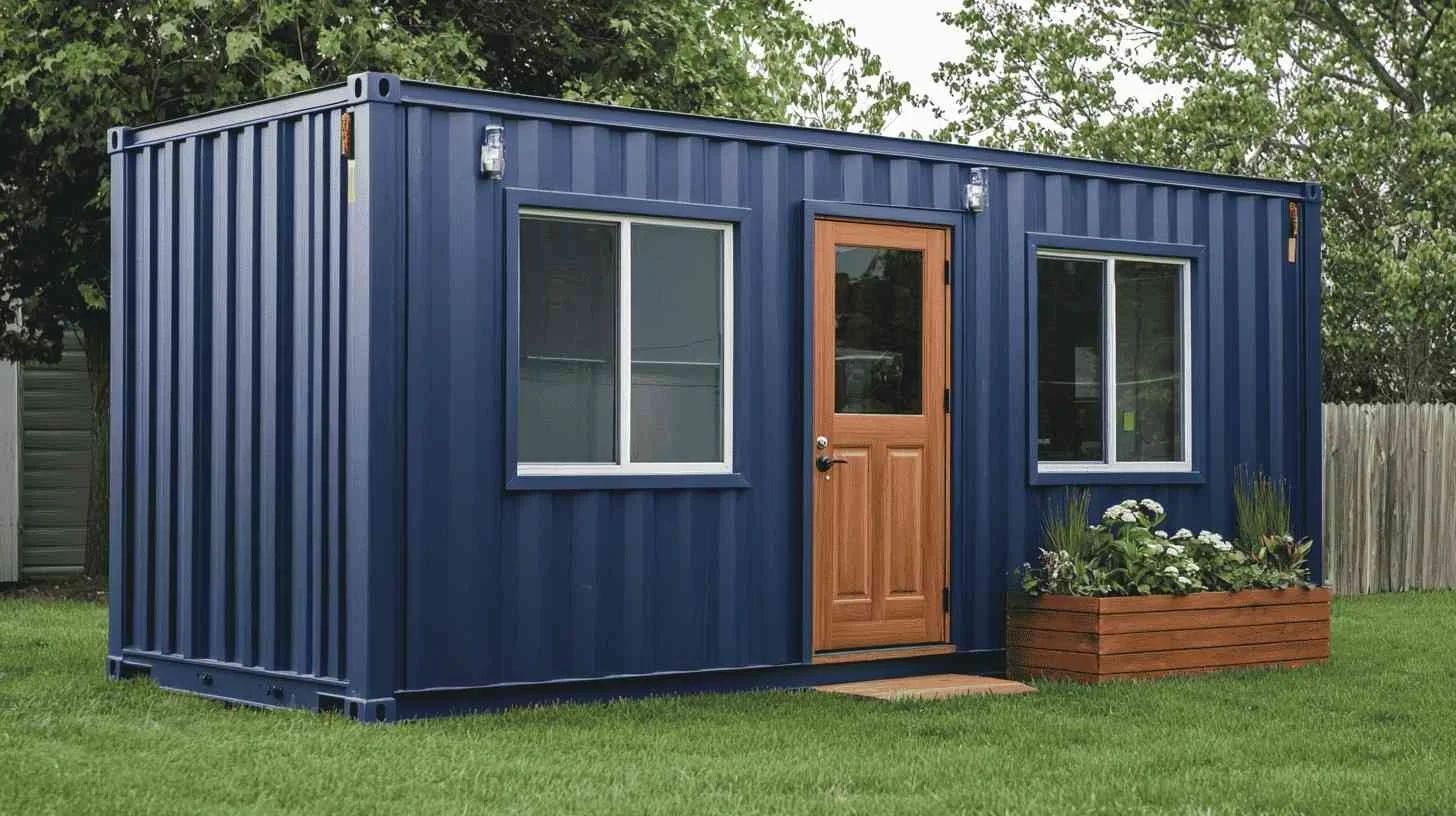
Today, container home rentals are found in urban neighborhoods, rural retreats, and eco-focused communities. They vary in style, from simple studio layouts to multi-container homes with rooftop terraces and energy-efficient systems. Their flexibility allows property owners to explore diverse real estate investment trends without relying solely on conventional construction methods.
Why Container Home Rentals Matter Today
Container home rentals intersect with several modern housing challenges and opportunities.
Rapid urbanization has increased demand for compact and flexible housing. In high-density cities, modular units can fit into limited spaces where traditional structures may not be feasible. This approach contributes to more efficient land use and supports evolving residential patterns.
Sustainability is another key factor. Reusing shipping containers reduces the need for new structural materials, which can lower environmental impact compared to standard construction. Many container homes integrate solar panels, rainwater harvesting systems, and energy-efficient insulation, aligning with sustainable housing goals.
They also respond to shifting lifestyle preferences. Remote work and digital nomad culture have encouraged interest in unique, short-term rental platforms. Container homes often attract travelers looking for distinctive, eco-friendly accommodations rather than conventional hotel rooms.
Stakeholders affected by this trend include:
-
Property developers exploring innovative housing models
-
Local governments managing zoning regulations
-
Urban planners designing mixed-use developments
-
Individuals seeking flexible living arrangements
-
Environmental advocates promoting resource-efficient construction
Container home rentals address challenges such as limited urban space, environmental impact concerns, and demand for adaptable housing formats.
Recent Updates and Emerging Trends
Recent developments highlight how container home rentals continue to evolve.
Greater integration of renewable energy systems has become common. Solar installations and battery storage solutions are increasingly included in new modular housing projects, supporting grid independence and energy efficiency.
Design sophistication has also improved. Early container conversions were often basic in appearance, but modern versions feature high-quality finishes, improved insulation materials, and smart home technology for temperature and security management.
Another trend is the expansion of container-based communities. Instead of standalone units, some developments cluster multiple container homes into planned neighborhoods. These projects emphasize shared amenities, landscaping, and sustainable infrastructure.
Digital platforms have expanded visibility for container home rentals. Listing platforms specializing in unique stays or eco-conscious properties have made it easier for users to discover these options. As digital marketing and search advertising evolve, high CPC keywords such as “modular housing solutions,” “sustainable rental properties,” and “alternative real estate investment trends” frequently appear in housing-related campaigns.
Laws and Policy Considerations
Container home rentals are subject to various regulations, even though the structures differ from traditional housing.
Zoning regulations determine whether container homes can be placed in residential, mixed-use, or rural areas. Some municipalities classify them under accessory dwelling units, while others treat them as primary residences. Local authorities often require compliance with minimum space standards and land-use designations.
Building codes are another major factor. Because shipping containers were not originally designed for residential occupancy, modifications must meet safety standards related to structural stability, ventilation, insulation, fire safety, and electrical systems.
Short-term rental rules may apply if the property is listed on hospitality platforms. These rules can involve registration requirements, occupancy limits, and taxation frameworks. Property owners must ensure compliance with applicable reporting and operational standards.
Environmental policies may also influence development. Regulations on energy efficiency, waste management, and water systems can affect how container homes are designed and maintained. In some regions, green building certifications encourage eco-friendly practices within modular housing solutions.
Understanding the regulatory environment helps avoid disputes and ensures that container home rentals function as legitimate residential options within established legal frameworks.
Tools and Resources for Container Home Rentals
Several tools and digital resources support individuals and organizations involved in container home rentals.
Design and Planning Software
-
SketchUp: Used for 3D modeling of container layouts
-
AutoCAD: Supports detailed architectural drawings
-
Planner 5D: Assists with interior space visualization
Property Management Platforms
-
Airbnb – Online marketplace for short-term rental listings
-
Vrbo – Platform for vacation rental properties
-
Booking.com – Digital reservation system for accommodation listings
Energy and Sustainability Calculators
-
Solar panel output calculators available through renewable energy providers
-
Energy consumption estimation tools for residential buildings
Financial and Market Analysis Tools
-
Real estate analytics dashboards for tracking rental demand
-
Online mortgage and investment calculators
-
Spreadsheet templates for revenue forecasting and maintenance planning
Educational Resources
-
Online courses on sustainable housing design
-
Webinars focused on modular construction methods
-
Professional associations related to green building standards
Below is a simplified comparison table of common container home rental characteristics:
| Feature | Single Container Unit | Multi-Container Layout | Container Community |
|---|---|---|---|
| Typical Size Range | Compact studio | Multi-room residence | Multiple units |
| Design Complexity | Low to moderate | Moderate to high | High |
| Infrastructure Needs | Basic utilities | Advanced systems | Shared amenities |
| Sustainability Integration | Optional | Often integrated | Frequently central |
This overview illustrates how container home rentals can vary widely in structure, design complexity, and infrastructure requirements.
Frequently Asked Questions
What is a container home rental?
A container home rental is a residential property created from converted shipping containers and made available for short-term or long-term occupancy. It combines modular construction methods with residential design features.
Are container homes safe for living?
When properly modified to meet building codes and safety standards, container homes can be structurally sound and safe. Compliance with insulation, ventilation, and fire safety regulations is essential.
Do container home rentals follow zoning regulations?
Yes. They are generally subject to local zoning regulations and land-use policies. Requirements vary by municipality and may depend on whether the structure is considered a primary residence or accessory dwelling unit.
Are container homes environmentally friendly?
They can support sustainable housing goals, particularly when they reuse existing materials and incorporate renewable energy systems. However, environmental impact depends on design, insulation quality, and energy usage.
Can container home rentals be used for long-term housing?
Yes. While often associated with short-term rental platforms, container homes can also function as permanent residences if they meet applicable building and occupancy standards.
Broader Insights Through Data Representation
A simplified conceptual graph below illustrates the relationship between key factors influencing container home rentals:
-
Urban Density ↑ → Demand for Compact Housing ↑
-
Environmental Awareness ↑ → Interest in Sustainable Housing ↑
-
Digital Platforms ↑ → Visibility of Unique Rental Properties ↑
-
Regulatory Clarity ↑ → Development Confidence ↑
These interconnected factors show how container home rentals are influenced by social, environmental, and regulatory dynamics.
Conclusion
Container home rentals represent an evolving segment within the broader real estate investment and sustainable housing landscape. By transforming shipping containers into functional living spaces, this model combines modular construction efficiency with contemporary design trends.
Their relevance is shaped by urban density, environmental priorities, and the growth of digital listing platforms. However, regulatory compliance remains central to their legitimacy and long-term viability. Zoning regulations, building codes, and short-term rental rules all influence how and where container home rentals operate.
With the support of design software, property management tools, and sustainability calculators, individuals and organizations can better understand the operational and planning aspects of this housing format.