Importance: Why Construction Equipment Matters Today
Construction equipment is a foundational part of modern infrastructure and economic development. It enables projects to be completed efficiently, safely, and with greater precision than manual labor alone.
Why It Matters
Construction equipment directly impacts:
-
Project timelines and completion speed
-
Worker safety and reduced physical strain
-
Accuracy in tasks like excavation and leveling
-
Standardization of construction processes
Who It Affects
-
Engineers and planners
-
Contractors and operators
-
Policymakers and regulators
-
Equipment suppliers and insurers
-
Communities benefiting from infrastructure
Problems It Solves
-
Handling heavy loads beyond human capability
-
Completing time-sensitive construction tasks
-
Improving accuracy in site preparation
-
Reducing workplace risks through mechanization
-
Supporting efficient material usage
As construction expands across urban and rural areas, equipment plays a critical role in delivering reliable infrastructure.
Types of Construction Equipment Explained
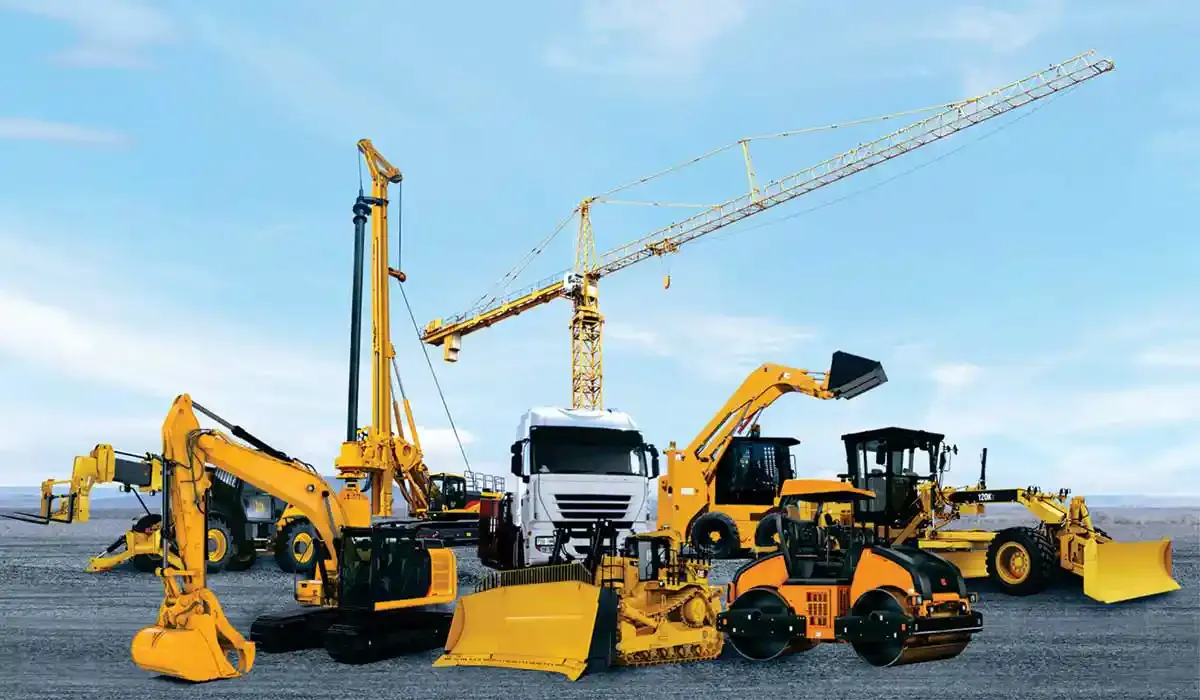
Construction equipment is grouped based on its function in different project stages.
Earthmoving Equipment
Used for digging and shaping land:
-
Excavators
-
Bulldozers
-
Backhoe loaders
-
Motor graders
Material Handling Equipment
Used to lift and move materials:
-
Cranes
-
Forklifts
-
Telehandlers
-
Hoists
Construction Vehicles
Used for transportation on-site:
-
Dump trucks
-
Concrete mixers
-
Site carriers
Compaction Equipment
Used to compress soil and surfaces:
-
Rollers
-
Plate compactors
-
Rammers
Concrete and Road Equipment
Used in paving and surface finishing:
-
Concrete pumps
-
Pavers
-
Batching plants
Basic Technical Characteristics
Key factors considered when selecting equipment:
-
Engine power and fuel type
-
Load capacity and reach
-
Operating weight
-
Mobility type (tracked vs wheeled)
-
Control systems (manual, hydraulic, electronic)
Equipment Comparison Table
| Equipment Category | Function | Size Range |
|---|
| Excavators | Digging, trenching | Medium to large |
| Cranes | Vertical lifting | Large |
| Loaders | Material transfer | Medium |
| Compactors | Surface densification | Small to medium |
These characteristics determine suitability for specific project conditions.
Recent Developments and Trends
Construction equipment has evolved with a focus on efficiency, sustainability, and digital integration.
Key Trends
-
Digital monitoring systems with sensors
-
Telematics for performance and maintenance tracking
-
Emission reduction technologies
-
Exploration of electric and hybrid machinery
-
Semi-automated features like grading assistance
Benefits of Technology
-
Improved accuracy and productivity
-
Better equipment lifecycle management
-
Enhanced safety through alerts and automation
-
Data-driven decision-making
These advancements reflect a shift toward smarter and more sustainable construction practices.
Rules, Standards, and Policy Influence
Construction equipment is governed by safety, environmental, and operational standards.
Key Regulatory Areas
-
Operator training and certification
-
Workplace safety requirements
-
Emission and noise limits
-
Inspection and maintenance documentation
-
Equipment use in public and regulated spaces
Compliance ensures:
-
Safer work environments
-
Consistent construction quality
-
Reduced environmental impact
Government infrastructure and sustainability programs also influence equipment demand and design.
Tools and Resources for Construction Equipment
Various tools support planning, operation, and maintenance.
Digital Tools
-
Equipment utilization dashboards
-
Fleet management and telematics systems
-
Maintenance scheduling software
Reference Materials
-
Technical manuals and specifications
-
Industry standards documentation
-
Safety guidelines
Calculators and Planning Aids
-
Productivity estimators
-
Load and reach calculators
-
Fuel efficiency analysis tools
Learning Resources
-
Operator training modules
-
Safety handbooks
-
Engineering reference platforms
These resources help ensure efficient and informed equipment use.
Frequently Asked Questions
What is the difference between construction equipment and tools?
Construction equipment refers to large machines for heavy tasks, while tools are smaller handheld devices used for detailed work.
Why is operator training important?
Training ensures safe operation, reduces accidents, and improves efficiency.
How is equipment selected for a project?
Selection depends on project requirements, site conditions, and machine specifications such as load capacity and mobility.
Why is maintenance important?
Regular maintenance improves reliability, extends equipment lifespan, and prevents breakdowns.
How does technology improve equipment use?
Technology enables better monitoring, precision, safety alerts, and data-driven planning.
Conclusion
Construction equipment is essential for modern infrastructure development. It enables efficient, safe, and precise execution of tasks that would otherwise be difficult or impossible manually.
With ongoing advancements in digital systems, automation, and environmental performance, construction equipment continues to evolve to meet changing industry needs. Understanding its types, functions, and regulatory context helps stakeholders make informed decisions and achieve successful project outcomes.