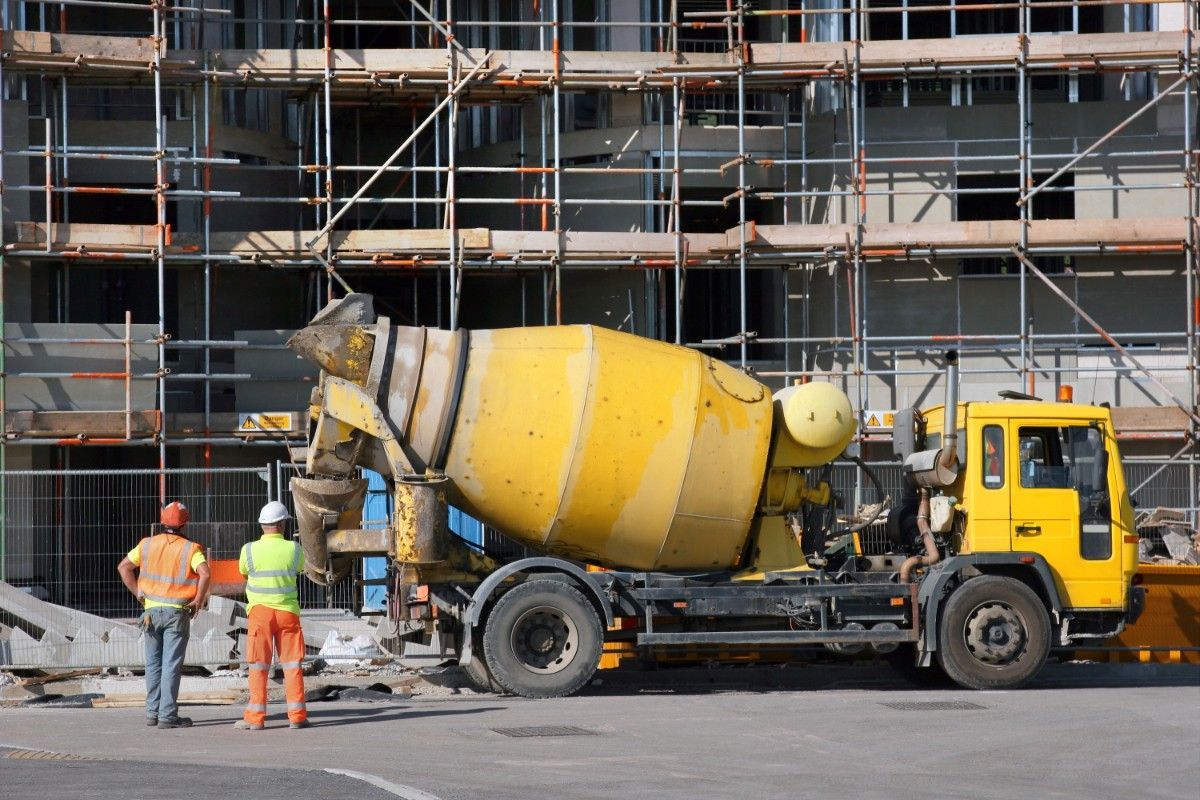
Importance: Why Concrete Mixers Matter Today
Concrete mixers are essential because they directly impact the strength, durability, and reliability of construction projects. Poor mixing can lead to weak structures, surface defects, and long-term failures, while proper mixing ensures consistent material performance.
Key reasons concrete mixers matter:
-
Consistent material quality
Ensures uniform blending of cement, aggregates, and water
-
Improved structural reliability
Reduces risks of cracks, weak bonding, and uneven curing
-
Efficiency in construction
Speeds up workflows and reduces manual labor
-
Material optimization
Minimizes waste through accurate mixing ratios
-
Supports sustainability
Promotes responsible use of raw materials
Who it affects:
-
Engineers and contractors
-
Site supervisors and workers
-
Civil engineering students
-
Project planners and developers
Concrete mixers solve problems like uneven material distribution, inconsistent batches, and labor-intensive manual mixing, making them critical for both small and large-scale construction projects.
Recent Updates: Trends and Developments
Concrete mixing technology has evolved with a focus on precision, efficiency, and safety.
Key developments include:
-
Digital control systems
Allow monitoring of mixing time, speed, and batch consistency
-
Energy-efficient motors
Reduce power consumption while maintaining performance
-
Improved drum designs
Enhance mixing uniformity and reduce material buildup
-
Portable and compact mixers
Ideal for small, remote, or space-limited projects
-
Noise reduction and safety features
Better enclosures and maintenance indicators improve workplace safety
These innovations reflect a shift toward smarter, safer, and more efficient construction equipment.
Laws or Policies: Regulatory Considerations
Concrete mixers are governed by general construction safety and environmental standards.
Key regulatory areas:
-
Safe operation and equipment handling guidelines
-
Worker training and protective measures
-
Maintenance and inspection requirements
-
Dust control and material handling standards
-
Compliance with public infrastructure quality specifications
These regulations ensure safe usage, consistent performance, and environmentally responsible construction practices.
Tools and Resources: Supporting Effective Use
Various tools and references help users operate concrete mixers efficiently and accurately.
Useful tools include:
-
Concrete mix ratio calculators
-
Batch volume estimators
-
Maintenance checklists
-
Equipment manuals
-
Educational guides on concrete properties
Mixer Types Overview
| Mixer Type | Mixing Method | Typical Use Case |
|---|
| Drum Mixer | Rotating drum | General construction |
| Pan Mixer | Fixed pan with blades | Precast and lab applications |
| Twin Shaft Mixer | Dual horizontal shafts | High-uniformity mixing |
| Portable Mixer | Compact drum system | Small or mobile projects |
These resources help ensure accurate mixing, better planning, and long-term equipment performance.
FAQs: Common Questions Answered
What is the main function of a concrete mixer?
It mixes cement, aggregates, and water into a uniform concrete blend for consistent strength and workability.
Are all concrete mixers the same?
No. Different types are designed for different applications, capacities, and mixing requirements.
How does mixing time affect quality?
Too little mixing leads to uneven materials, while too much can reduce workability. Proper timing ensures balanced consistency.
What factors influence mixer selection?
Batch size, project scale, available space, and required mix quality are key factors.
Why is maintenance important?
Regular maintenance ensures safe operation, prevents breakdowns, and maintains consistent mixing performance.
Conclusion
Concrete mixers are a cornerstone of modern construction, ensuring reliable and consistent concrete production.
Their role goes beyond convenience—they directly influence structural quality, efficiency, and sustainability. With advancements in digital control, energy efficiency, and safety features, concrete mixers continue to evolve as essential tools for achieving durable and dependable construction outcomes.