Comprehensive Guide to Open-Pit Mining Haul Truck Systems and Automation Technologies
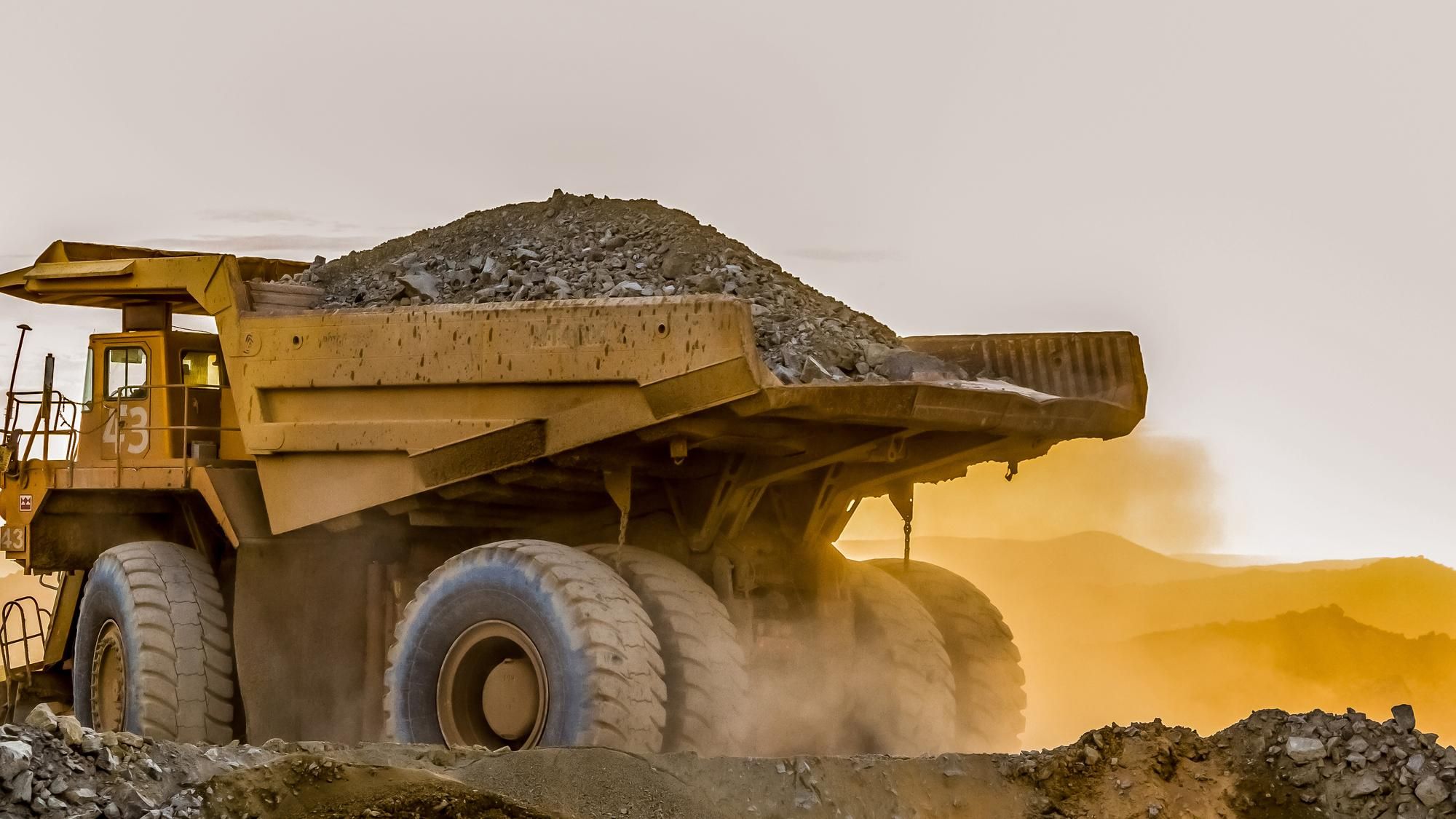
Open-pit mining is a method used to extract minerals from the Earth by removing layers of soil and rock to reach valuable deposits near the surface. In these operations, large vehicles known as haul trucks play a central role. These trucks transport materials such as ore and waste rock across mining sites, often over long distances and rough terrain. Over time, open pit mining haul truck systems have evolved from manually operated machines to highly advanced systems that incorporate automation and digital technologies.
Mining haul truck automation systems are designed to improve how these vehicles operate. Instead of relying solely on human drivers, these systems use sensors, software, and communication networks to guide truck movements. Intelligent haul truck systems mining refers to setups where trucks can make decisions based on real-time data, such as adjusting speed or route depending on conditions. This development has led to the rise of the autonomous haul truck system mining model, where trucks can operate with minimal or no human input.
Smart mining haul truck technology is part of a broader shift toward digital mining. This includes integrating data analytics, artificial intelligence, and remote monitoring into everyday operations. These technologies aim to make mining more efficient, predictable, and manageable, especially in large-scale open-pit environments.
Importance
Improving Operational Efficiency
One of the main reasons open pit mining haul truck systems are important is their role in efficiency. Mining operations depend heavily on the timely movement of materials. Delays in hauling can slow down the entire production process. Automation allows trucks to follow optimized routes, maintain consistent speeds, and reduce idle time.
For example, mining haul truck automation systems can coordinate multiple vehicles to avoid congestion. This reduces unnecessary waiting and ensures smoother traffic flow within the mine. Over time, these improvements can lead to more consistent output levels.
Enhancing Safety
Mining environments can be hazardous due to uneven terrain, large machinery, and changing weather conditions. Autonomous haul truck system mining reduces the need for human drivers in these high-risk areas. By removing people from potentially dangerous situations, the likelihood of accidents can decrease.
Intelligent haul truck systems mining also include safety features such as obstacle detection and automatic braking. These systems can respond faster than human operators in certain scenarios, helping to prevent collisions.
Addressing Labor and Skill Challenges
Mining operations often require skilled operators to manage heavy equipment. In some regions, there may be a shortage of trained workers. Smart mining haul truck technology helps address this issue by reducing dependence on manual driving.
Instead, personnel can focus on monitoring systems and managing operations from control centers. This shift changes the type of skills needed, emphasizing digital and technical knowledge over manual operation.
Environmental Considerations
Fuel consumption and emissions are key concerns in mining. Automated systems can optimize driving patterns to reduce fuel use. For example, consistent acceleration and braking reduce unnecessary energy loss.
Some intelligent haul truck systems mining also integrate with electric or hybrid vehicles. This supports broader efforts to lower the environmental impact of mining activities.
Recent Updates
Growth of Autonomous Systems
Between 2024 and 2026, the adoption of autonomous haul truck system mining has continued to expand. More mining companies are testing and deploying fleets of driverless trucks. These systems are now being used in larger and more complex mining sites.
Advances in sensor technology and machine learning have improved how trucks navigate. They can better detect obstacles, adjust to changing terrain, and communicate with other equipment.
Integration with Digital Platforms
Smart mining haul truck technology is increasingly connected to centralized digital platforms. These platforms collect data from multiple sources, including trucks, drilling equipment, and processing plants.
This integration allows operators to monitor the entire mining process in real time. It also supports predictive maintenance, where potential issues are identified before they lead to equipment failure.
Use of Artificial Intelligence
Artificial intelligence is playing a growing role in intelligent haul truck systems mining. AI algorithms analyze data to improve decision-making. For example, they can suggest optimal routes based on traffic patterns and road conditions within the mine.
AI also helps in managing large fleets by coordinating movements and reducing bottlenecks. This contributes to smoother operations and better resource use.
Electrification Trends
There is increasing interest in combining automation with electric haul trucks. While not yet widespread in all regions, pilot projects are exploring how electric vehicles can be integrated into open pit mining haul truck systems.
These developments align with global efforts to reduce emissions and improve energy efficiency in industrial operations.
Laws or Policies
Safety Regulations
Mining activities are subject to strict safety regulations in many countries, including India. Authorities such as the Directorate General of Mines Safety (DGMS) set guidelines for equipment operation, worker safety, and risk management.
When mining haul truck automation systems are introduced, they must comply with these regulations. This includes ensuring that autonomous systems can operate safely alongside human workers and other machinery.
Environmental Rules
Environmental policies also influence how open pit mining haul truck systems are used. Regulations may limit emissions, control dust levels, and require responsible land use.
Automated systems can help mining companies meet these requirements by improving fuel efficiency and reducing unnecessary vehicle movement.
Data and Technology Standards
As intelligent haul truck systems mining rely on data and connectivity, there is growing attention to data management and cybersecurity. Policies may require secure handling of operational data and protection against system failures or external threats.
Governments and industry bodies are working to establish standards that ensure these technologies are reliable and safe to use.
Tools and Resources
Several tools and platforms support the development and operation of smart mining haul truck technology. These resources help manage data, monitor performance, and improve decision-making.
Fleet Management Systems
Fleet management software is widely used in mining. These systems track vehicle location, speed, and status in real time. They also provide insights into fuel use and maintenance needs.
Examples of features include:
- Real-time tracking: monitoring truck positions across the mine
- Route optimization: suggesting efficient paths for material transport
- Performance analysis: evaluating productivity and identifying inefficiencies
Simulation Software
Simulation tools allow mining planners to test different scenarios before implementing changes. This is especially useful for autonomous haul truck system mining, where system behavior needs to be carefully evaluated.
Simulations can model traffic flow, loading times, and equipment interactions. This helps in designing more effective operations.
Data Analytics Platforms
Data analytics tools process large volumes of information generated by intelligent haul truck systems mining. These platforms turn raw data into actionable insights.
They can identify patterns such as:
- Frequent delays in certain areas
- Equipment performance trends
- Maintenance requirements
Example Comparison Table
| Feature | Manual Haul Trucks | Automated Haul Truck Systems |
|---|---|---|
| Driver Requirement | Human operator required | Minimal or none |
| Route Optimization | Limited | Data-driven and dynamic |
| Safety Features | Basic | Advanced sensors and controls |
| Fuel Efficiency | Variable | Optimized through automation |
| Data Collection | Limited | Continuous and detailed |
FAQs
What are open pit mining haul truck systems?
Open pit mining haul truck systems are the vehicles and supporting technologies used to transport materials in surface mining operations. They include trucks, navigation systems, and monitoring tools that manage movement within the mine.
How do mining haul truck automation systems work?
Mining haul truck automation systems use sensors, GPS, and software to control truck movement. These systems allow trucks to follow planned routes, avoid obstacles, and communicate with other equipment without direct human control.
What is an autonomous haul truck system in mining?
An autonomous haul truck system mining setup involves trucks that operate independently using onboard computers and external control systems. These trucks can perform tasks such as loading, hauling, and dumping materials with minimal human involvement.
What are intelligent haul truck systems in mining?
Intelligent haul truck systems mining refer to systems that use data and algorithms to make decisions in real time. They adjust operations based on factors like traffic, terrain, and equipment status to improve efficiency and safety.
How does smart mining haul truck technology affect workers?
Smart mining haul truck technology changes the nature of work in mining. While fewer people may be needed to drive trucks, there is increased demand for roles related to system monitoring, data analysis, and technical maintenance.
Conclusion
Open pit mining haul truck systems have undergone significant changes with the introduction of automation and digital technologies. Mining haul truck automation systems and intelligent haul truck systems mining contribute to improved efficiency, safety, and data-driven operations. The development of autonomous haul truck system mining and smart mining haul truck technology reflects a broader shift toward modern, technology-focused mining practices. These systems continue to evolve as new tools and regulations shape their use.