Comprehensive Guide to Floating LNG Processing Units and Offshore Gas Infrastructure
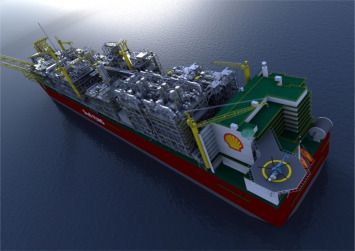
Floating LNG processing units are specialized offshore facilities designed to process natural gas directly at sea. Instead of transporting raw gas to onshore plants, these units handle extraction, liquefaction, storage, and sometimes transfer of liquefied natural gas (LNG) offshore. This approach is part of a broader system known as floating LNG infrastructure, which includes floating LNG production units and LNG floating storage units.
The concept emerged as energy companies began exploring remote offshore gas fields that are difficult to connect to land-based facilities. Building pipelines over long distances or in deep waters can be complex and resource-intensive. Floating LNG technology provides an alternative by allowing gas to be processed closer to where it is extracted.
A typical floating LNG project involves a large vessel or platform equipped with processing equipment. Natural gas is cooled to extremely low temperatures until it becomes liquid, reducing its volume and making it easier to store and transport. The liquefied gas is then transferred to carriers for delivery to markets around the world.
Importance
Floating LNG processing units play a significant role in the global energy system. They help unlock natural gas reserves that might otherwise remain unused due to geographic or economic constraints. This has implications for energy supply, trade, and regional development.
For everyday people, the impact is indirect but meaningful. Natural gas is widely used for electricity generation, heating, and industrial processes. By increasing access to offshore gas resources, floating LNG infrastructure contributes to energy availability in many countries.
Key challenges addressed by floating LNG technology include:
- Remote resource access: Offshore gas fields located far from land can be developed without extensive pipeline networks
- Reduced onshore footprint: Processing at sea minimizes the need for large industrial facilities on land
- Flexible deployment: Floating LNG production units can be relocated or adapted for different fields over time
These advantages are particularly relevant for countries with limited land space or strict environmental constraints. In regions where coastal ecosystems are sensitive, offshore processing may reduce some land-based impacts, although marine considerations remain important.
Recent Updates
Between 2024 and 2026, floating LNG projects have continued to evolve, with several developments shaping the sector. Advances in engineering and digital monitoring have improved operational efficiency and safety in floating LNG processing units.
Some notable trends include:
- Modular design improvements: Newer floating LNG production units are being built using modular components, which simplifies construction and allows easier upgrades
- Digitalization: Enhanced monitoring systems use real-time data to track equipment performance, helping operators manage risks and optimize output
- Smaller-scale units: In addition to large facilities, there is growing interest in compact floating LNG units designed for smaller gas fields
Another trend is the integration of floating LNG technology with broader energy systems. Some projects are exploring connections with renewable energy sources to reduce emissions associated with gas processing.
The use of LNG floating storage units has also expanded. These units act as intermediate storage, allowing more flexible logistics in LNG transportation. They can be stationed near import terminals or offshore production sites, helping balance supply and demand.
Laws or Policies
Floating LNG infrastructure operates within a framework of international and national regulations. These rules are designed to ensure safety, environmental protection, and fair resource management.
At the international level, organizations such as the International Maritime Organization establish guidelines for vessel safety, emissions, and operational standards. Floating LNG processing units, being ship-like structures, must comply with these maritime regulations.
In addition, environmental standards are influenced by agreements such as the International Convention for the Prevention of Pollution from Ships, which addresses pollution from ships, including emissions and waste management.
National governments also play a key role. In countries like India, offshore energy projects are regulated through ministries responsible for petroleum, natural gas, and environmental protection. These regulations may include:
- Environmental impact assessments before project approval
- Safety requirements for offshore operations
- Licensing systems for exploration and production
Policies may also address local community concerns, marine biodiversity, and long-term sustainability. As floating LNG technology becomes more common, regulatory frameworks continue to adapt to new technical and environmental considerations.
Tools and Resources
Understanding floating LNG projects often requires access to technical data, mapping tools, and industry reports. Several resources help researchers, students, and policymakers explore this topic.
Commonly used tools and platforms include:
- Energy data portals: Organizations like the International Energy Agency provide datasets and reports on LNG markets and infrastructure
- Marine tracking systems: Platforms such as MarineTraffic allow users to monitor LNG carriers and floating units in real time
- Geospatial tools: Applications like Google Earth help visualize offshore locations and infrastructure layouts
- Engineering simulation software: Specialized tools are used by professionals to model liquefaction processes and structural design
Below is a simplified table showing the main components of floating LNG infrastructure and their functions:
| Component | Function |
|---|---|
| Floating LNG processing unit | Extracts and liquefies natural gas offshore |
| LNG floating storage unit | Stores liquefied gas before transport |
| LNG carrier vessel | Transports LNG to import terminals |
| Mooring system | Anchors the unit securely in offshore locations |
| Offloading system | Transfers LNG between units and carriers |
These tools and components work together to form a complete offshore gas processing system.
FAQs
What are floating LNG processing units and how do they work?
Floating LNG processing units are offshore facilities that convert natural gas into liquid form directly at sea. Gas is cooled to very low temperatures, reducing its volume and making it easier to store and transport.
What is a floating LNG project?
A floating LNG project involves developing offshore gas resources using floating infrastructure. This includes production units, storage systems, and transport vessels, all operating without relying heavily on onshore facilities.
How does an LNG floating storage unit differ from a production unit?
An LNG floating storage unit primarily stores liquefied gas and does not process raw natural gas. In contrast, a floating LNG production unit performs extraction and liquefaction before storage and transfer.
What are the main advantages of floating LNG technology?
Floating LNG advantages include access to remote gas fields, reduced need for pipelines, and flexibility in deployment. These features make it suitable for offshore environments where traditional infrastructure is difficult to build.
Is floating LNG infrastructure environmentally safe?
Floating LNG infrastructure is designed to meet strict safety and environmental standards. However, like all energy systems, it requires careful management to minimize impacts on marine ecosystems and reduce emissions.
Conclusion
Floating LNG processing units represent an important development in offshore energy production. By enabling gas processing at sea, they provide access to resources that are otherwise difficult to utilize. Advances in floating LNG technology continue to improve efficiency and adaptability. While regulatory oversight and environmental considerations remain essential, this approach has become a notable part of modern energy infrastructure. Understanding its components and functions helps clarify its role in global energy systems.