Complete Guide to Engine Block Boring Machines and Cylinder Boring Equipment
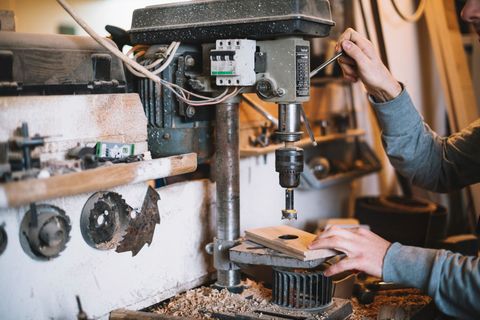
Engine repair and maintenance have evolved significantly alongside the development of modern vehicles. One important part of this evolution is the use of precision machinery such as the engine block boring machine and cylinder boring machine. These machines are designed to reshape and restore the internal surfaces of engine cylinders, which are critical for proper engine performance.
In simple terms, engines rely on cylinders where pistons move up and down to generate power. Over time, these cylinders can wear out due to heat, friction, and continuous use. This wear can lead to reduced efficiency, increased oil consumption, and lower engine performance. To address this, automotive workshops use specialized equipment like engine cylinder boring equipment to restore cylinders to their correct dimensions.
The concept of boring cylinders dates back to early industrial machining practices. As automotive engineering advanced, so did the need for more precise and reliable tools. Today, automotive boring machines are highly accurate and often computer-assisted, allowing technicians to achieve consistent results across different engine types.
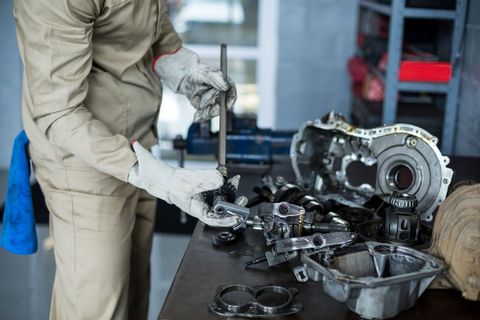
Cylinder block boring machines are now a standard part of engine machining equipment in many workshops. They help extend the usable life of engines by correcting internal wear rather than replacing entire components. This makes them an essential part of both maintenance and rebuilding processes.
Importance
The use of block boring equipment plays a significant role in maintaining engine efficiency and longevity. For everyday vehicle owners, this means engines can continue to function properly even after years of use, provided they are maintained correctly.
One key reason this equipment matters is its ability to restore engine performance. When cylinder walls become uneven or worn, the piston rings cannot seal properly. This leads to reduced compression and lower power output. By using a cylinder boring machine, technicians can recondition the cylinder walls to ensure proper sealing and combustion.
Another important aspect is fuel efficiency. Engines with worn cylinders tend to consume more fuel because they operate less efficiently. Properly bored cylinders help maintain optimal combustion, which supports better fuel usage and reduces unnecessary waste.
From an environmental perspective, engine cylinder boring equipment also contributes to reduced emissions. Poorly functioning engines often release higher levels of pollutants. Restoring cylinder surfaces helps improve combustion quality, which can lead to cleaner exhaust output.
For mechanics and technicians, these machines are essential tools in engine rebuilding. Instead of replacing an entire engine block, which can be resource-intensive, cylinder block boring machines allow for targeted repairs. This approach helps conserve materials and reduces mechanical waste.
Recent Updates
Between 2024 and 2026, the field of engine machining equipment has seen gradual improvements driven by automation and precision engineering. One notable trend is the increasing integration of digital controls in automotive boring machines.
Modern machines now often include computer numerical control (CNC) systems. These systems allow operators to input exact measurements and achieve consistent results with minimal manual adjustment. This reduces the likelihood of human error and improves overall machining accuracy.
Another development is the use of advanced materials in machine construction. Newer engine block boring machines are built with more stable and vibration-resistant components. This stability enhances precision during the boring process, especially when working with high-performance engines.
There is also a growing focus on adaptability. Many newer cylinder boring machines are designed to handle a wider range of engine sizes, including smaller engines used in compact vehicles and larger engines found in commercial applications.
In addition, digital measurement tools are becoming more common. These tools allow technicians to measure cylinder wear in real time and adjust the boring process accordingly. This ensures that the final result meets required specifications without excessive material removal.
Overall, the trend is toward smarter, more precise, and more adaptable engine machining equipment.
Laws or Policies
The use of engine machining equipment, including cylinder block boring machines, is influenced by various regulations related to environmental standards, workplace safety, and industrial practices.
In many countries, emission regulations play a key role. Governments set limits on vehicle emissions, which indirectly affects how engines are maintained and repaired. Proper use of engine cylinder boring equipment helps ensure engines operate within acceptable emission levels.
Workplace safety regulations are also important. Operating an automotive boring machine involves handling heavy components and precision tools. Safety guidelines typically require proper training, use of protective equipment, and adherence to machine operation standards.
In regions such as India, industrial safety rules and environmental guidelines are enforced through agencies like the Ministry of Environment, Forest and Climate Change and occupational safety authorities. These rules may include:
- Proper disposal of metal shavings and machining waste
- Control of noise levels in workshops
- Use of protective gear such as gloves and eye protection
- Maintenance of machinery to prevent accidents
Additionally, some areas have guidelines related to energy efficiency and resource usage. Efficient use of block boring equipment can help reduce unnecessary material removal and energy consumption.
While these regulations do not directly control the design of every engine block boring machine, they influence how the equipment is used and maintained in real-world settings.
Tools and Resources
Several tools and resources support the effective use of cylinder boring machines and related equipment. These tools help technicians measure, operate, and maintain accuracy during engine machining.
Measurement Tools
Accurate measurement is critical before and after using engine machining equipment. Common tools include:
- Dial bore gauges, used to measure the internal diameter of cylinders
- Micrometers, used for precise external and internal measurements
- Surface roughness testers, used to evaluate the finish of cylinder walls
Machine Types and Features
Different types of cylinder block boring machines are available, each suited for specific tasks. The table below summarizes key types:
| Machine Type | Main Function | Typical Use Case |
|---|---|---|
| Manual cylinder boring machine | Basic cylinder resizing | Small workshops and simple repairs |
| CNC automotive boring machine | Automated precision boring | High-volume or complex engine work |
| Portable boring equipment | On-site cylinder repair | Field repairs or large engines |
| Vertical boring machine | Stable vertical alignment | Standard engine block machining |
Digital Resources
Technicians often rely on digital platforms and tools to improve accuracy and efficiency:
- Engine specification databases provide standard measurements for different engine models
- CNC software interfaces allow precise control of boring operations
- Maintenance tracking systems help monitor equipment usage and condition
Training Materials
Understanding how to operate engine block boring machines safely and effectively requires proper learning. Common resources include:
- Technical manuals provided by equipment manufacturers
- Online tutorials and instructional videos
- Vocational training programs focused on automotive machining
These tools and resources support consistent results and help ensure that engine cylinder boring equipment is used correctly.
FAQs
What is an engine block boring machine used for?
An engine block boring machine is used to enlarge and reshape the cylinders inside an engine block. This process restores worn or damaged cylinders to their correct size and surface condition, allowing the engine to function properly.
How does a cylinder boring machine improve engine performance?
A cylinder boring machine improves engine performance by creating smooth and uniform cylinder walls. This allows piston rings to seal effectively, which helps maintain compression and supports efficient combustion.
What is the difference between automotive boring machine and general machining tools?
An automotive boring machine is specifically designed for engine components, particularly cylinder blocks. General machining tools may perform a wide range of tasks, but they are not always optimized for the precision and alignment required in engine cylinder boring equipment.
When is engine cylinder boring equipment needed?
Engine cylinder boring equipment is typically needed when cylinder walls become worn, scratched, or out of shape. This often happens after long-term use or due to overheating and poor lubrication.
Can cylinder block boring machine be used on all engines?
A cylinder block boring machine can be used on many types of engines, but compatibility depends on the machine’s size range and configuration. Some machines are designed for specific engine sizes, while others are adjustable for broader use.
Conclusion
Engine block boring machines and related equipment play an essential role in maintaining and restoring engine performance. By correcting wear inside cylinders, these machines help engines operate more efficiently and reliably. Advances in automation and measurement technology have improved the precision and usability of modern equipment. Regulations related to safety and emissions also influence how these machines are used in practice. Overall, engine machining equipment remains a fundamental part of automotive maintenance and repair processes.