Collar Necklace Guide: Basics, Facts, and Style Insights
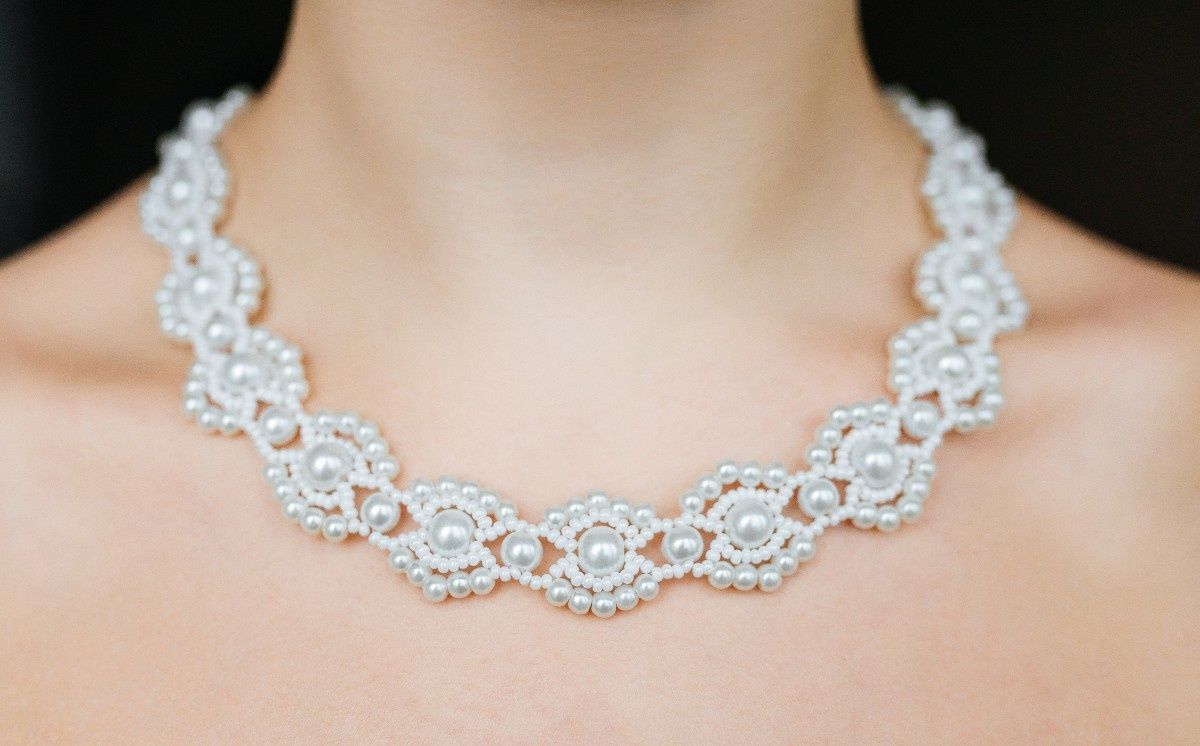
A collar necklace is a short, close-fitting piece of jewelry that sits high on the neck, often following the natural curve of the collarbone. It exists as a design solution that frames the face and neckline with a structured, balanced look. Historically, variations of collar-style adornments appeared in many cultures as symbols of status, identity, or craftsmanship. In modern fashion, the collar necklace evolved to meet practical and aesthetic needs: offering a bold focal point that can complement simple clothing and create visual structure without relying on long chains or layered pieces.
Collar necklaces are typically rigid or semi-rigid, made from metals, beads, fabric, or composite materials. Their defining feature is their width and proximity to the neck, which distinguishes them from chokers or princess-length necklaces. This design allows wearers to achieve a polished appearance with minimal styling complexity.
Importance
Collar necklaces matter today because they address both functional and style-related needs across a wide audience. For individuals seeking clear visual definition around the neckline, a collar necklace provides structure without overwhelming an outfit. It is relevant to everyday wearers, stylists, and designers who value balance, proportion, and clarity in personal presentation.
From a broader perspective, collar necklaces solve common styling challenges such as:
-
Creating a focal point for simple or neutral clothing
-
Balancing necklines like boat necks, strapless tops, or high-neck garments
-
Reducing the need for layered accessories that may feel cluttered
They also play a role in sustainable fashion discussions, as a single statement piece can reduce reliance on multiple accessories. In professional and social settings, collar necklaces offer a clear, intentional look that aligns with modern preferences for simplicity and versatility.
Recent Updates
Design approaches to collar necklaces have shifted recently, reflecting broader fashion and material trends. Minimalist aesthetics have encouraged slimmer profiles with smooth finishes, while interest in craftsmanship has brought renewed attention to hand-finished textures and mixed materials. During the past year, designers have emphasized adaptability, with adjustable closures and flexible segments that improve comfort and fit.
Another notable update is the growing use of lightweight alloys and alternative materials, making collar necklaces easier to wear for longer periods. Color palettes have expanded beyond traditional metallic tones to include muted neutrals and natural hues, aligning with contemporary wardrobe trends. Digital design tools have also influenced production, enabling precise curvature and symmetry that enhance comfort and visual balance.
Laws or Policies
Collar necklaces, like other personal accessories, are influenced by general consumer product standards rather than specialized regulations. These rules typically focus on material safety, labeling accuracy, and durability to ensure that items are suitable for regular wear. Policies related to metal content, skin contact safety, and environmental considerations can affect how collar necklaces are produced and described.
In addition, broader trade and quality standards encourage transparency in material composition and manufacturing practices. While these policies do not dictate design, they shape how collar necklaces are made available and how information about them is communicated to the public.
Tools and Resources
Several tools and resources help people understand, design, or style collar necklaces effectively:
-
Neckline measurement guides that help determine proper fit and proportion
-
Digital jewelry design software used to model curvature and balance
-
Fashion reference websites that document historical and modern necklace styles
-
Style planning templates for coordinating accessories with different necklines
-
Material reference charts explaining properties of metals, beads, and composites
These resources support informed decisions and encourage a clearer understanding of how collar necklaces function within personal style systems.
Key Characteristics at a Glance
The table below summarizes core features commonly associated with collar necklaces:
| Feature | Description |
|---|---|
| Length | Very short, resting at the collarbone |
| Structure | Rigid or semi-rigid form |
| Visual Impact | High, often used as a statement piece |
| Common Materials | Metal, beads, mixed media |
| Styling Role | Frames face and neckline |
FAQs
What is the main difference between a collar necklace and a choker?
A collar necklace is usually wider and more structured, sitting along the collarbone, while a choker is narrower and fits tightly around the neck.
Can collar necklaces work with casual clothing?
Yes. Simple designs with clean lines can complement casual outfits by adding structure without appearing formal.
Are collar necklaces suitable for all necklines?
They work best with open or wide necklines such as boat necks or strapless styles. High or detailed necklines may compete visually.
How is comfort maintained in rigid designs?
Comfort is achieved through precise curvature, smooth edges, and balanced weight distribution that follows the natural shape of the neck.
Do materials affect how a collar necklace is worn?
Material choice influences weight, flexibility, and overall feel. Lightweight metals or composites are often preferred for extended wear.
Conclusion
Collar necklaces represent a focused approach to personal adornment, combining structure, clarity, and visual impact in a single piece. Their continued relevance comes from their ability to solve common styling challenges while adapting to changing design preferences and material innovations. By understanding their context, importance, and practical considerations, individuals can better appreciate how collar necklaces function within modern fashion systems as a balanced and purposeful accessory.