Cold Chain Transport Overview: Explanation, Facts, and Essential Information
Cold chain transport refers to the system of storing and moving temperature-sensitive products under controlled conditions throughout the supply chain. It includes refrigerated vehicles, insulated packaging, cold storage facilities, and digital monitoring devices that maintain specific temperature ranges.
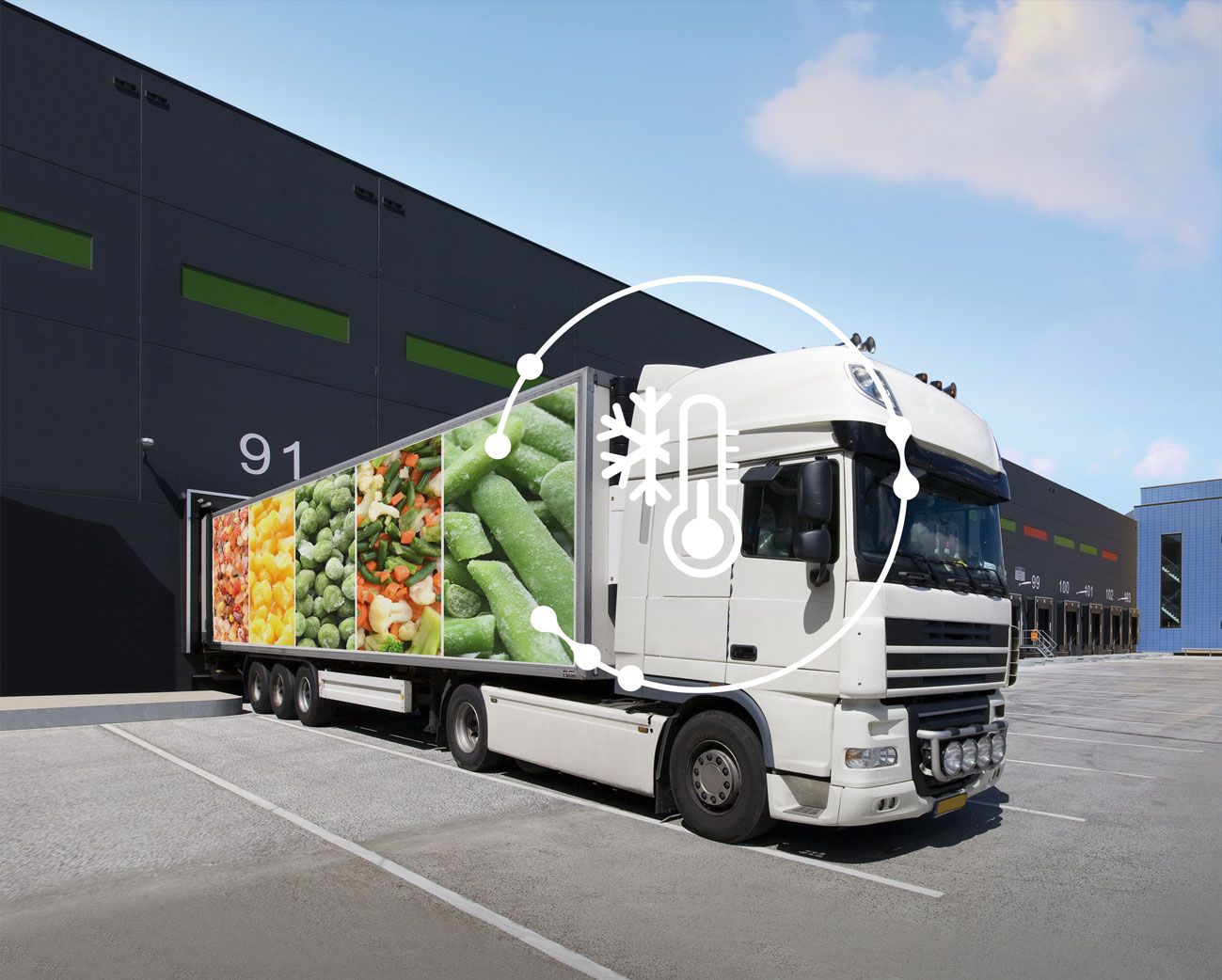
This system exists because certain products lose quality, effectiveness, or safety if exposed to temperatures outside their recommended limits. Examples include:
-
Fresh fruits and vegetables
-
Dairy and meat products
-
Seafood
-
Vaccines and biologic medicines
-
Specialty chemicals
In temperature controlled logistics, every stage—from manufacturing to distribution centers to final delivery—must maintain consistent environmental conditions. Even a short exposure to heat or freezing temperatures can cause irreversible damage.
The cold chain is not just about keeping items cold. It also includes maintaining frozen, chilled, or controlled room temperatures, depending on product requirements. Pharmaceutical cold chain management, for instance, may require precise temperature ranges such as 2°C to 8°C, while frozen foods may require temperatures below –18°C.
Cold chain transport combines logistics planning, refrigeration technology, packaging science, and real-time data tracking. It is a critical segment of global food supply chain management and healthcare distribution networks.
Importance: Why Cold Chain Transport Matters Today
Cold chain transport plays a central role in public health, food safety, and global trade. As populations grow and supply chains become more globalized, temperature-sensitive goods travel longer distances and across multiple climates.
The importance of refrigerated transport systems can be understood in several ways:
Food Safety and Waste Reduction
Without proper temperature control, perishable goods transportation becomes risky. Spoilage, bacterial growth, and contamination can occur quickly. Cold chain systems help:
-
Reduce food waste
-
Maintain nutritional value
-
Prevent foodborne illnesses
-
Extend shelf life
Efficient cold storage compliance also supports sustainability goals by reducing product loss during transit.
Healthcare and Pharmaceutical Integrity
In pharmaceutical cold chain operations, temperature deviations can affect medicine potency. Vaccines, insulin, blood plasma, and certain biologic treatments require strict monitoring.
Maintaining vaccine storage and distribution standards protects public health by ensuring medical products remain safe and effective. Supply chain monitoring technology provides alerts if temperature excursions occur.
Global Trade and Economic Stability
Many countries rely on exporting agricultural goods, seafood, or pharmaceutical products. Reliable cold chain transport ensures that these goods meet international quality standards.
Cold chain infrastructure supports:
-
International trade
-
Agricultural productivity
-
Pharmaceutical research distribution
-
Advanced biologics logistics
As climate conditions fluctuate and demand for fresh food increases, the role of cold chain logistics risk manaKey Temperature Ranges in Cold Chain Logistics
| Category | Typical Temperature Range | Example Products |
|---|---|---|
| Frozen | Below –18°C | Frozen meat, seafood, ice cream |
| Chilled | 0°C to 5°C | Dairy, fresh produce |
| Pharmaceutical (Standard) | 2°C to 8°C | Vaccines, insulin |
| Controlled Room Temperature | 15°C to 25°C | Certain tablets and capsules |
Maintaining these ranges requires specialized refrigerated transport systems and insulated packaging solutions.
Recent Updates and Industry Trends
Cold chain transport has evolved significantly over the past year due to technological innovation and sustainability initiatives.
Growth in Real-Time Monitoring
Recent developments in IoT-based supply chain monitoring technology allow companies to track temperature, humidity, and location in real time. Smart sensors now send automated alerts if conditions move outside acceptable ranges.
Expansion of Biopharmaceutical Distribution
The increased distribution of temperature-sensitive biologics and advanced therapies has expanded the pharmaceutical cold chain sector. Ultra-low temperature storage solutions have received renewed attention due to specialized vaccine storage requirements.
Sustainable Refrigeration Solutions
There has been greater focus on low-emission refrigeration systems and energy-efficient cold storage facilities. Electric refrigerated vehicles and alternative refrigerants are becoming more common to reduce environmental impact.
Digital Documentation and Compliance
Paper-based temperature logs are being replaced with digital compliance platforms. Automated record-keeping simplifies cold storage compliance audits and regulatory reporting.
Infrastructure Development
Many regions have strengthened cold chain infrastructure for agriculture and healthcare distribution, particularly in areas with limited prior access to refrigerated logistics networks.
These updates show a shift toward smarter, greener, and more transparent temperature controlled logistics systems.
Laws and Policies Affecting Cold Chain Transport
Cold chain transport operates within a structured regulatory environment designed to protect food safety, medicine integrity, and consumer health.
Key regulatory areas include:
Food Safety Standards
National and international food safety authorities require:
-
Temperature documentation
-
Hazard analysis and risk management
-
Traceability systems
-
Proper sanitation practices
Cold chain logistics must align with food safety management frameworks such as Hazard Analysis and Critical Control Points (HACCP).
Pharmaceutical Distribution Regulations
Health authorities require pharmaceutical cold chain compliance through:
-
Validated temperature monitoring systems
-
Qualified packaging solutions
-
Documented transportation procedures
-
Auditable data retention
Good Distribution Practice (GDP) guidelines define how medicines should be stored and transported.
Environmental Regulations
Refrigeration equipment must comply with environmental policies regulating refrigerants and emissions. Energy efficiency standards also affect cold storage warehouse design.
Transport and Logistics Compliance
Transport vehicles may require inspection and certification to ensure that refrigerated compartments maintain consistent temperature ranges.
These regulations ensure that perishable goods transportation and vaccine storage and distribution systems remain safe and reliable.
Tools and Resources for Cold Chain Management
Modern cold chain operations rely on digital tools and specialized resources. Some helpful categories include:
Temperature Monitoring Tools
-
Digital data loggers
-
Wireless IoT sensors
-
GPS-enabled temperature trackers
-
Cloud-based monitoring dashboards
Compliance and Documentation Platforms
-
Electronic temperature log software
-
Audit management systems
-
Digital proof-of-delivery applications
Risk Assessment and Planning Tools
-
Cold chain risk management templates
-
Route optimization software
-
Predictive analytics platforms
Packaging and Insulation Solutions
-
Phase change material (PCM) containers
-
Insulated shipping boxes
-
Thermal blankets for pallet shipments
Professional Guidelines and Standards
-
HACCP documentation templates
-
Good Distribution Practice (GDP) reference guides
-
Food safety compliance checklists
These tools support accurate monitoring, regulatory compliance, and operational efficiency within temperature controlled logistics networks.
Cold Chain Failure Risk Factors
The following chart illustrates common causes of temperature deviations:
| Risk Factor | Impact Level | Example Consequence |
|---|---|---|
| Equipment malfunction | High | Product spoilage |
| Power outage | High | Loss of frozen goods |
| Human error | Medium | Incorrect storage temperature |
| Inadequate packaging | Medium | Temperature fluctuation during transit |
| Delayed transport | Medium | Reduced shelf life |
Effective logistics risk management reduces these risks through preventive maintenance, training, and real-time monitoring.
Frequently Asked Questions
What is the difference between cold storage and cold chain transport?
Cold storage refers to keeping goods at controlled temperatures in a facility. Cold chain transport includes the entire system of temperature-controlled storage and movement from origin to destination.
Why is pharmaceutical cold chain management so strict?
Many medicines and vaccines are sensitive to temperature changes. Even minor deviations can reduce potency or safety, which may impact patient health outcomes.
How is temperature monitored during transportation?
Temperature is tracked using digital data loggers, IoT sensors, and cloud-based systems that provide real-time alerts and historical data reports.
What happens if the cold chain is broken?
If a temperature excursion occurs, the affected products may require evaluation. In some cases, goods may be rejected or discarded to protect safety and compliance.
Is cold chain transport only for food and medicine?
No. It also applies to specialty chemicals, laboratory samples, biologics, and certain cosmetics that require stable environmental conditions.
Conclusion
Cold chain transport is a structured system that ensures temperature-sensitive goods remain safe, effective, and high quality throughout the supply chain. From refrigerated transport systems to digital monitoring platforms, it integrates logistics planning, regulatory compliance, and advanced technology.
Its role in food supply chain management and pharmaceutical cold chain operations continues to expand as global trade increases and healthcare demands evolve. Recent technological updates, sustainable refrigeration innovations, and enhanced compliance standards demonstrate the sector’s ongoing development.
Maintaining an unbroken cold chain is essential for public health, food security, and economic stability. With growing reliance on supply chain monitoring technology and risk management tools, cold chain transport remains a foundational element of modern logistics infrastructure.