Circuit Protection Devices Guide: Explore Basics, Tips, Insights, and Detailed Explanation for Electrical Safety
Circuit protection devices are electrical components designed to protect electrical circuits, equipment, and people from damage caused by abnormal electrical conditions. These conditions include overloads, short circuits, voltage spikes, and ground faults that may occur within electrical systems.
Electrical circuits are designed to operate within specific voltage and current limits. When these limits are exceeded due to equipment failure, wiring faults, or external disturbances such as lightning, the system can overheat or become unstable. Circuit protection devices exist to detect these abnormal conditions and interrupt the electrical flow before damage occurs.
Common examples include circuit breakers, fuses, surge protection devices, and residual current protection systems. These devices act as safety barriers between electrical energy and the infrastructure that depends on it. Without proper circuit protection, electrical installations would face a high risk of equipment damage, fire hazards, and power system instability.
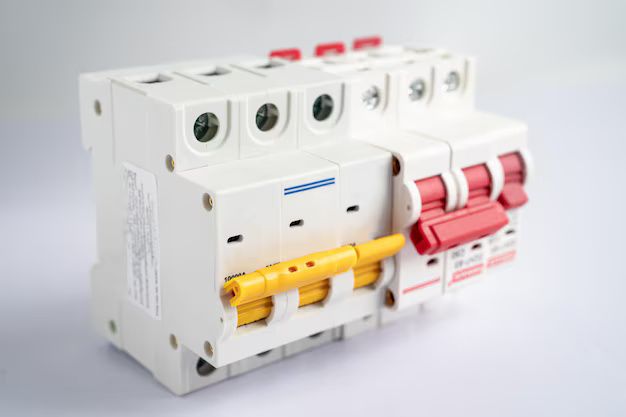
Importance: Why Circuit Protection Matters Today
Circuit protection is a critical aspect of modern electrical infrastructure. As societies become increasingly dependent on electricity for communication, healthcare, transportation, and industry, the need for reliable protection systems has grown significantly.
Why circuit protection matters today
-
Electrical safety: Prevents overheating and reduces fire hazards
-
Equipment protection: Shields sensitive devices from voltage spikes and faults
-
System reliability: Maintains stable power distribution across networks
-
Operational continuity: Reduces downtime caused by electrical faults
-
Human safety: Helps prevent electric shock and related injuries
Circuit protection affects households, commercial facilities, industrial plants, power distribution networks, and data centers. It solves problems related to unexpected current surges, faulty wiring, and unpredictable environmental events that can disrupt electrical systems.
Recent Updates: Trends and Developments (2024–2025)
Over the past year, electrical protection technology has continued to advance in response to increasing energy demand and digital infrastructure expansion.
| Year | Development | Impact on Electrical Safety |
|---|---|---|
| 2024 | Improved arc fault detection technology | Better protection against electrical fire risks |
| 2024 | Smart monitoring integration in protection systems | Enhanced diagnostics and fault analysis |
| 2025 | Advanced surge protection designs | Increased resilience against voltage spikes |
| 2025 | Integration with smart grid systems | More responsive and adaptive protection |
Another trend is the growing use of digital monitoring in electrical panels, allowing engineers to track fault patterns and respond quickly to potential hazards. Modern protection devices are increasingly designed to support renewable energy systems and distributed power networks.
Laws, Regulations, and Safety Policies
Circuit protection devices are governed by national and international electrical safety regulations to ensure safe installation and operation.
Common regulatory frameworks include
-
National Electrical Codes: Define wiring methods and required protection devices
-
IEC (International Electrotechnical Commission) standards: Provide guidelines for electrical safety and device performance
-
Workplace electrical safety regulations: Address industrial power system protection
-
Building electrical standards: Require circuit protection in residential and commercial installations
Many countries enforce mandatory installation of specific protection devices in homes, workplaces, and industrial facilities. Government safety programs often emphasize proper grounding, circuit isolation, and surge protection as part of broader electrical safety initiatives.
Tools and Resources for Electrical Safety Understanding
A variety of tools and informational resources help engineers, technicians, and learners understand circuit protection systems.
Helpful technical resources
-
Electrical load calculation charts
-
Circuit breaker selection guides
-
Wiring safety reference manuals
-
Fault current estimation tables
-
Surge protection design diagrams
Educational platforms and knowledge sources
-
Electrical engineering textbooks and training programs
-
Government electrical safety portals
-
Industry standards documentation
-
Engineering research publications
Practical aids
-
Inspection checklists for electrical panels
-
Maintenance planning templates
-
Fault diagnosis flowcharts
These resources help users understand how to select, install, and maintain circuit protection devices effectively.
Key Types of Circuit Protection Devices
Several types of protection devices work together to safeguard electrical systems.
| Device Type | Function | Typical Application |
|---|---|---|
| Circuit breaker | Interrupts excessive current automatically | Residential and industrial circuits |
| Fuse | Melts to break the circuit during overload | Appliances and small circuits |
| Surge protection device | Diverts voltage spikes away from equipment | Electronic systems |
| Residual current device | Detects current leakage and prevents shock | Household and commercial safety |
| Arc fault protection device | Detects dangerous electrical arcs | Modern building wiring systems |
Each device targets a specific type of electrical hazard, ensuring comprehensive protection across the system.
Frequently Asked Questions
What is the main purpose of a circuit protection device?
Its main purpose is to detect abnormal electrical conditions and interrupt current flow before damage or hazards occur.
Why are circuit breakers widely used in modern systems?
They can reset after a fault is cleared, allowing circuits to resume operation without replacing components.
What causes electrical overloads?
Overloads occur when too many devices draw power from the same circuit, exceeding its capacity.
How do surge protection devices work?
They redirect excess voltage away from sensitive equipment, protecting electronics from spikes.
Are circuit protection devices required in residential buildings?
Yes. Most electrical safety codes require protective devices to prevent fires, shocks, and equipment damage.
Conclusion
Circuit protection devices are fundamental to electrical safety and system reliability. By detecting abnormal conditions and interrupting harmful electrical flows, they safeguard people, equipment, and infrastructure. Their role has become increasingly important as electrical systems grow more complex and interconnected.
With advancements in monitoring technology and stronger regulatory frameworks, modern circuit protection systems provide more accurate fault detection and faster response. Understanding how these devices work and why they are necessary helps ensure safer electrical environments across homes, industries, and public infrastructure.