Cable Crane Systems Guide: Basics, Overview, and Essential Knowledge
Cable crane systems are specialized heavy lifting systems designed to transport materials across long distances using suspended cables. Unlike traditional cranes that rely on fixed towers or rotating booms, cable cranes operate by moving loads along cables stretched between towers or anchor points.
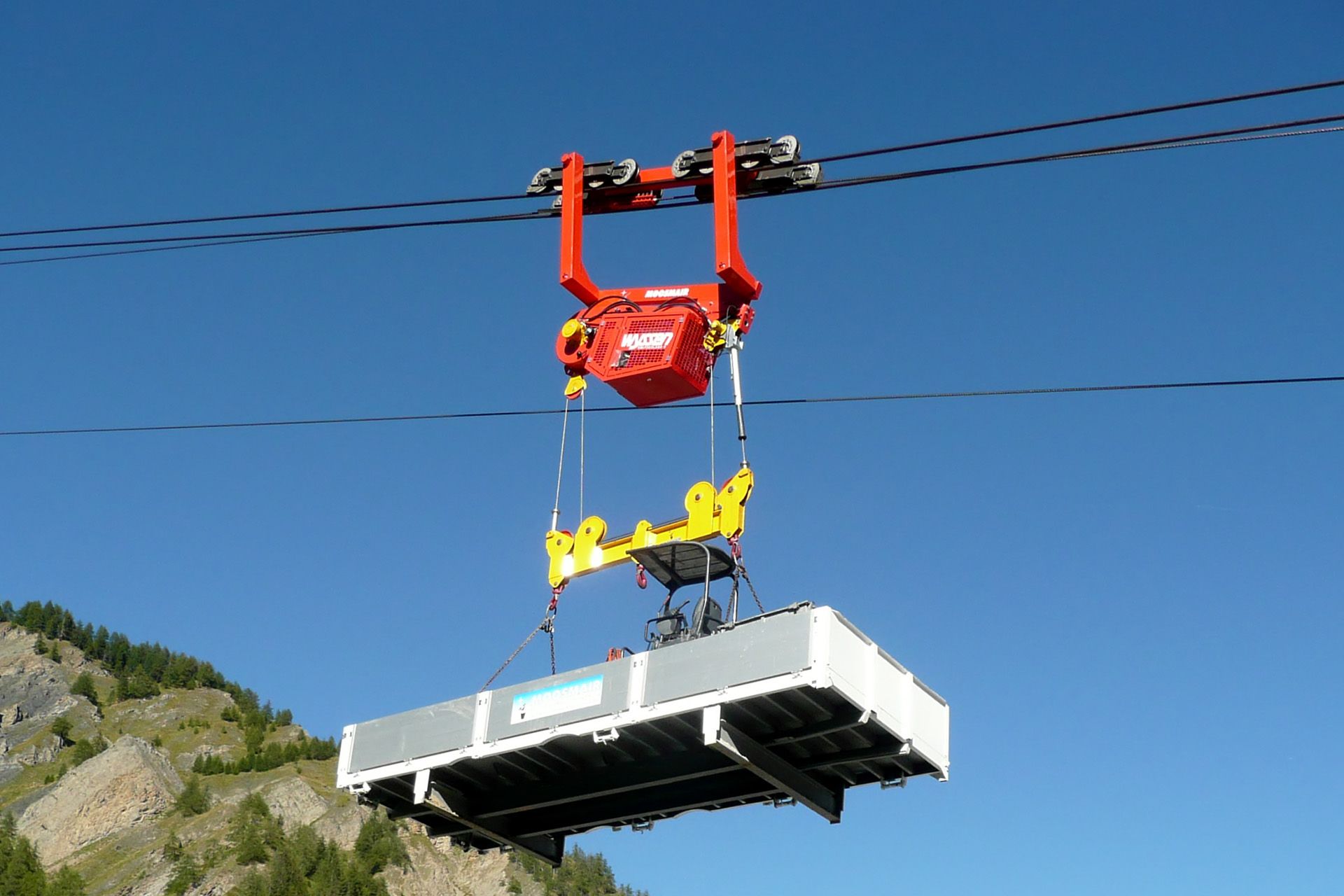
These systems are widely used in large-scale infrastructure projects such as dam construction, bridge building, hydroelectric installations, and mountainous construction sites. In such environments, ground-based heavy lifting equipment may be impractical due to steep terrain, water bodies, or unstable surfaces.
A cable crane system typically includes:
-
Steel support towers
-
High-tension cables
-
A trolley mechanism that travels along the cable
-
Hoisting machinery
-
Anchoring and control systems
The concept exists to solve a specific engineering challenge: moving heavy materials safely and efficiently across obstacles where roads, trucks, or conventional cranes cannot operate effectively.
Cable cranes are often associated with large dam projects, such as those seen at the Hoover Dam, where massive concrete placement required long-span material handling solutions.
In essence, cable crane systems are a form of advanced material handling systems engineered for extreme conditions.
Importance of Cable Crane Systems in Modern Infrastructure
Cable crane systems play a crucial role in modern infrastructure engineering and large civil works projects. As urbanization expands and renewable energy infrastructure grows, the need for efficient and safe heavy lifting equipment continues to rise.
These systems matter because they:
- Enable construction in remote or mountainous regions
- Reduce the need for extensive ground transport
- Improve safety by limiting heavy vehicle movement
- Support large concrete placements in dam construction
- Enhance efficiency in large-scale infrastructure engineering
For example, in hydroelectric projects, cable cranes allow precise placement of concrete and structural elements across wide spans. In bridge construction over valleys or rivers, they transport materials directly to installation points without relying on ground access.
Industries Impacted
- Civil engineering and infrastructure
- Renewable energy development
- Transportation projects
- Industrial construction
- Government infrastructure planning
Problems They Solve
| Challenge | How Cable Crane Systems Help |
|---|---|
| Rough terrain | Lift materials above ground |
| Limited road access | Reduce dependency on trucks |
| Safety risks | Minimize heavy ground traffic |
| Large span distances | Cover wide construction zones |
| Environmental impact | Reduce land disturbance |
These systems are considered high-value industrial lifting solutions, especially in projects involving complex structural engineering requirements.
Recent Developments and Industry Trends
Over the past year, cable crane systems have evolved with advanced automation and monitoring technologies.
Key Innovations
- Digital load monitoring systems
- AI-assisted movement control
- Remote operation interfaces
- Predictive maintenance analytics
- Advanced cable tension sensors
Modern systems now integrate with industrial automation platforms to monitor:
- Cable tension
- Wind speed
- Load distribution
This real-time monitoring reduces structural stress and improves operational safety.
IoT and Smart Monitoring
IoT-based devices transmit performance data to centralized dashboards, enabling engineers to:
- Detect potential failures early
- Optimize lifting operations
- Reduce downtime
Sustainability and Safety Enhancements
Recent improvements include:
- Energy-efficient drive motors
- Modular components for easier installation
- Enhanced emergency braking systems
- Redundant anchoring mechanisms
- Improved operator training protocols
These developments align with stricter construction safety standards and environmental considerations.
Laws and Regulatory Considerations
Cable crane systems are regulated under construction safety and industrial lifting standards.
Key Regulatory Areas
- Load capacity certification
- Periodic inspection requirements
- Operator qualification standards
- Structural stability verification
- Workplace safety compliance
Engineering approval is typically required before installation in major infrastructure projects. Authorities often mandate:
- Routine inspections
- Maintenance documentation
- Load testing procedures
Environmental Regulations
When used near rivers, forests, or protected areas, cable crane operations must comply with environmental protection guidelines to minimize ecological impact.
Failure to comply with regulations can result in:
- Project delays
- Safety risks
- Legal penalties
Tools and Resources for Cable Crane Systems
Modern engineering relies on various tools to design, monitor, and manage cable crane operations.
Engineering and Design Tools
- Structural load calculation software
- Cable tension simulation programs
- Finite Element Analysis (FEA) platforms
- CAD modeling systems
Project Management Tools
- Infrastructure planning software
- Construction timeline tracking systems
- Compliance documentation platforms
Safety and Monitoring Tools
- Load moment indicators
- Wind speed sensors
- Real-time cable stress monitoring systems
- Remote surveillance dashboards
Educational Resources
- Civil engineering textbooks
- Industry journals
- Safety training modules
- Engineering standards documentation
Example Monitoring Table
| Parameter | Normal Range | Alert Threshold |
|---|---|---|
| Cable Tension | Within design limit | Exceeds max capacity |
| Wind Speed | Safe level | High gust warning |
| Load Weight | Rated load | Overload warning |
| Anchor Stability | Stable | Movement detected |
Digital dashboards convert this data into visual insights for faster decision-making.
Frequently Asked Questions
What is the difference between a cable crane and a tower crane?
A cable crane moves loads along cables stretched between towers, making it ideal for long distances and uneven terrain. A tower crane rotates around a vertical mast and is better suited for urban construction.
Where are cable crane systems used?
They are commonly used in dam construction, bridge building, hydroelectric projects, and mountainous infrastructure where ground access is limited.
Are cable crane systems safe?
Yes, when operated under proper safety standards. Modern systems include monitoring sensors, emergency braking, and automated controls to reduce risk.
How long can a cable crane span?
Span length depends on engineering design. Some systems can extend across hundreds of meters in large infrastructure projects.
Do cable cranes require inspections?
Yes. Regular inspections, load testing, and compliance checks are required under industrial safety regulations.
Conclusion
Cable crane systems are advanced lifting solutions designed to address complex infrastructure challenges. Their ability to transport materials across wide spans and difficult terrain makes them essential for dam construction, bridge projects, and renewable energy infrastructure.
With advancements in automation, IoT monitoring, and predictive maintenance, these systems have become safer and more efficient. Regulatory frameworks ensure proper operation, while modern engineering tools support planning and performance optimization.
As global infrastructure demands grow, cable crane systems remain a foundational component of structural engineering and material handling technology—enabling safer, faster, and more sustainable construction in even the most challenging environments.