Bottle Capping Machine Guide: Basics, Working Process, and Key Insights
A bottle capping machine is a type of industrial packaging equipment designed to securely apply caps, lids, or closures to bottles and containers. These machines are commonly used in industries such as beverages, pharmaceuticals, cosmetics, chemicals, and food processing.
The main purpose of a bottle capping machine is to ensure product safety, prevent leakage, and maintain quality during storage and transportation. Manual capping may be practical for small-scale operations, but high-volume production environments require automated capping systems for consistency and speed.
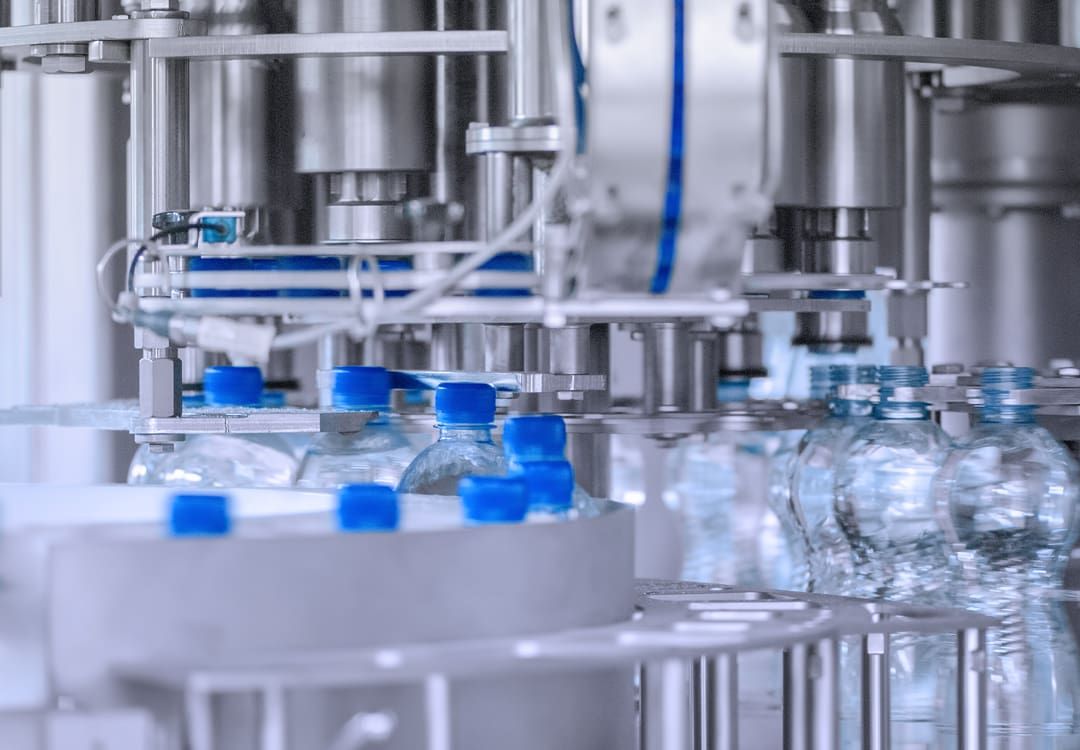
Modern manufacturing environments rely heavily on packaging line automation to streamline production. Bottle capping machines form a critical stage in this process, working in coordination with filling machines, labeling systems, and inspection units.
Why Bottle Capping Machines Matter Today
Industrial packaging has evolved significantly with increasing consumer demand for safety, hygiene, and tamper-proof products. A properly sealed bottle protects contents from contamination, preserves shelf life, and meets regulatory standards.
Several industries depend on reliable capping technology:
-
Food and beverage manufacturers require airtight seals to maintain freshness.
-
Pharmaceutical companies depend on precise torque control technology to ensure patient safety.
-
Cosmetics and chemical producers need leak-proof closures to avoid environmental or handling hazards.
In high-output facilities, automated capping systems enhance manufacturing efficiency solutions by:
-
Reducing manual handling errors
-
Increasing throughput rates
-
Improving seal consistency
-
Supporting traceability and quality inspection systems
Below is a simplified comparison of manual versus automated capping systems:
| Feature | Manual Capping | Automated Capping System |
|---|---|---|
| Production Speed | Low | High |
| Consistency | Variable | Highly Consistent |
| Labor Requirement | Higher | Lower |
| Torque Control | Limited | Precise & Adjustable |
| Integration | Standalone | Integrated with packaging line |
As production volumes grow globally, manufacturers are focusing on scalable packaging line automation to maintain competitiveness and compliance.
Working Process of a Bottle Capping Machine
Understanding the working process helps clarify how these machines contribute to industrial productivity.
The typical steps in an automated bottle capping machine include:
• Bottle feeding through conveyor systems
• Cap sorting and orientation using vibratory bowl feeders
• Cap placement on the bottle neck
• Torque-controlled tightening
• Quality inspection and discharge
Cap Sorting and Feeding
Caps are loaded into a hopper. A sorting mechanism ensures correct orientation before delivering them to the capping head. This prevents cross-threading and sealing issues.
Cap Placement
A placement system aligns the cap precisely with the bottle opening. Advanced models use sensors and programmable logic controllers (PLCs) to ensure accuracy.
Torque Application
Torque control technology is critical. It ensures that caps are neither too loose nor too tight. Over-tightening can damage packaging, while under-tightening can cause leakage.
Below is a simplified representation of the capping workflow:
Bottle Entry → Cap Orientation → Cap Placement → Torque Tightening → Inspection → Exit
Modern automated capping systems may also include:
-
Vision inspection systems
-
Rejection mechanisms for defective units
-
Digital monitoring dashboards
-
Data logging for quality audits
Recent Developments in Bottle Capping Technology
The industrial packaging sector continues to evolve due to automation and regulatory requirements. In recent months, several trends have shaped bottle capping machine design and integration:
Smart Manufacturing Integration
Manufacturers are integrating capping systems with Industrial Internet of Things (IIoT) platforms. This allows real-time monitoring of torque values, production counts, and downtime analysis.
Sustainability-Focused Packaging
As companies shift toward recyclable and lightweight packaging materials, capping machines are being redesigned to handle thinner caps without compromising seal integrity.
Improved Energy Efficiency
Newer systems emphasize energy-efficient motors and servo-driven mechanisms to reduce operational power consumption.
Enhanced Traceability Systems
Digital compliance requirements are pushing manufacturers to integrate barcode scanning and serialization features, especially in pharmaceutical packaging standards.
Advanced Servo Technology
Servo-driven capping heads improve precision and allow quick adjustments for different bottle sizes, enhancing manufacturing efficiency solutions.
These developments reflect broader automation trends across global manufacturing environments.
Regulatory and Compliance Considerations
Bottle capping machines operate within regulatory frameworks that emphasize product safety, hygiene, and labeling accuracy. Although regulations vary by region, common compliance themes include:
Food Safety Regulations
Food packaging compliance standards require tamper-evident sealing and contamination prevention.
Pharmaceutical Manufacturing Guidelines
Pharmaceutical packaging standards mandate validated torque control, traceability, and documentation for audits.
Environmental Regulations
Sustainability policies encourage reduced plastic usage and recyclable packaging components.
Workplace Safety Standards
Industrial machinery regulations often require protective guarding, emergency stop systems, and proper operator training.
Manufacturers must ensure that bottle capping machines meet applicable technical documentation and performance validation requirements. Compliance supports product integrity and consumer trust.
Tools and Resources Related to Bottle Capping Machines
Professionals working with industrial packaging equipment often rely on specialized tools and digital resources.
Useful tools include:
• Torque measurement devices for calibration
• PLC programming software for automation control
• Packaging line efficiency calculators
• Preventive maintenance scheduling software
• Quality inspection checklists
Digital platforms and resources may include:
-
Industry association websites focused on packaging standards
-
Technical documentation templates for compliance audits
-
Online training modules for machine operators
-
Manufacturing analytics dashboards
Below is a simple example of a torque monitoring chart used in quality assurance:
| Torque Range (Nm) | Acceptable Units (%) |
|---|---|
| Low Range | 2% |
| Optimal Range | 95% |
| High Range | 3% |
Such data helps maintain consistent sealing quality and reduce packaging defects.
Types of Bottle Capping Machines
Different industries require different capping mechanisms. Common types include:
Inline Capping Machines
Suitable for moderate production speeds. Bottles move in a straight line on conveyors.
Rotary Capping Machines
Designed for high-speed operations with rotating turrets. Ideal for large-scale beverage production.
Spindle Cappers
Use spinning discs to tighten screw caps efficiently.
Snap Cappers
Apply pressure to snap caps onto containers, commonly used in dairy and cosmetic packaging.
Selecting the appropriate machine depends on production scale, cap type, bottle design, and regulatory requirements.
Frequently Asked Questions
What is torque control in a bottle capping machine?
Torque control refers to the precise force applied when tightening a cap. It ensures leak prevention without damaging the container or cap.
Can one capping machine handle multiple bottle sizes?
Many modern automated capping systems are adjustable. Changeover components and servo settings allow flexibility for different bottle dimensions.
Why is automation important in packaging lines?
Automation improves consistency, reduces manual errors, and supports traceability required by regulatory standards.
How is quality verified after capping?
Inspection systems may include torque testers, vision systems, and leak detection equipment integrated within the packaging line.
Are bottle capping machines suitable for small-scale operations?
Yes. Semi-automatic versions are available for lower production volumes while maintaining sealing accuracy.
Conclusion
Bottle capping machines are an essential component of industrial packaging equipment across multiple sectors. They ensure product safety, enhance manufacturing efficiency solutions, and support compliance with food and pharmaceutical packaging standards.
With advancements in torque control technology, smart automation, and sustainability-focused designs, automated capping systems continue to evolve. As packaging line automation becomes more integrated and data-driven, bottle capping machines will remain central to maintaining quality, safety, and operational performance in modern manufacturing environments.