Best Pipe Bending Machines: A Complete Buyer’s Guide
A pipe bending machine is a mechanical device designed to shape pipes and tubes into specific angles or curves without damaging their structure. These machines are widely used in industries such as construction, automotive manufacturing, plumbing, and energy systems. The process of bending pipes has evolved over time, moving from manual techniques to advanced automated systems that improve accuracy and efficiency.
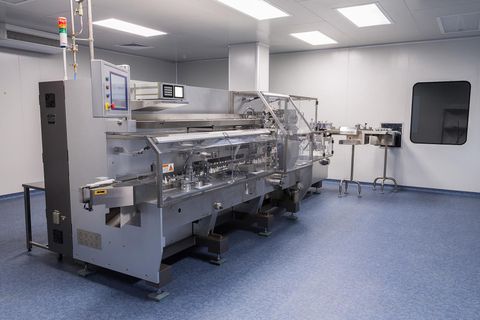
There are several types of machines used for this purpose, including an industrial pipe bending machine for large-scale operations, a hydraulic pipe bending machine that uses fluid pressure to create force, and a CNC pipe bending machine that relies on computer control for precision. An automatic pipe bending machine can further streamline the process by reducing manual intervention. The role of a tube bending machine manufacturer is to design and produce these machines for different industrial needs, often tailoring them to specific materials and applications.
Understanding how these machines work and what distinguishes each type helps individuals and organizations make informed decisions about their use.
Importance
Pipe bending machines play a crucial role in modern infrastructure and manufacturing. They allow pipes and tubes to be shaped accurately, which is essential for systems such as water supply, gas pipelines, heating systems, and structural frameworks.
Different sectors rely on these machines for various reasons. In construction, they help create curved piping layouts for buildings. In automotive industries, they are used to shape exhaust systems and chassis components. In energy and utilities, precise bending ensures efficient flow in pipelines.
Several practical challenges are addressed by these machines:
- Consistency in shape: Machines ensure uniform bends, reducing errors compared to manual methods.
- Material preservation: Proper bending avoids cracks or weakening of the pipe.
- Time efficiency: Automated systems reduce the time needed for repetitive tasks.
- Safety improvements: Reduced manual handling lowers the risk of workplace injuries.
For small workshops and large factories alike, choosing the right type of pipe bending machine can directly affect productivity and output quality.
Recent Updates
From 2024 to 2026, the field of pipe bending technology has seen gradual but meaningful developments, mainly driven by automation and digital integration.
One noticeable trend is the increasing adoption of CNC pipe bending machines. These systems use computer programming to control bending angles, speed, and positioning. This allows for highly precise and repeatable results, especially in industries that require complex geometries.
Another development is the improvement of automatic pipe bending machine systems. These machines now include features such as:
- Touchscreen interfaces for easier operation
- Integration with design software for direct input of specifications
- Sensors that monitor pressure and alignment during operation
Hydraulic pipe bending machines have also seen enhancements in energy efficiency. Newer models are designed to use hydraulic power more effectively, reducing energy consumption while maintaining performance.
Additionally, there is growing interest in compact and portable machines for smaller operations. These machines provide flexibility for on-site work, especially in construction and maintenance tasks.
Overall, the trend is moving toward smarter, more efficient, and user-friendly machines that can adapt to different industrial needs.
Laws or Policies
The use of pipe bending machines is influenced by various safety standards and industrial regulations. These rules are designed to ensure safe operation, protect workers, and maintain product quality.
In India, several guidelines apply to machinery used in manufacturing and construction:
- Occupational safety standards: Regulations under the Factories Act require safe operation of machinery, including proper guarding, training, and maintenance.
- Bureau of Indian Standards (BIS): Provides specifications for materials and processes, including those related to pipes and tubing.
- Environmental guidelines: Industries must follow rules related to energy use and emissions, which can influence the design of hydraulic and industrial machines.
- Workplace safety protocols: Employers must ensure that operators are trained to handle machines like CNC pipe bending machines safely.
Globally, similar standards exist, such as ISO certifications for machinery and safety practices. These regulations encourage manufacturers and users to maintain consistent quality and safety in operations.
Tools and Resources
Several tools and resources can help individuals understand and work with pipe bending machines more effectively. These range from software platforms to technical guides.
Design and Simulation Tools
Modern bending often starts with digital design. Software tools allow users to simulate bends before actual production.
- CAD software such as AutoCAD or SolidWorks helps design pipe layouts.
- Simulation tools can predict how a pipe will behave during bending, reducing trial and error.
Calculation Tools
Pipe bending involves specific calculations related to angles, radius, and material properties. Common tools include:
- Online bend allowance calculators
- Tube length calculation charts
- Radius and angle conversion tools
Training Resources
Learning how to operate different machines is important for safety and efficiency.
- Technical manuals provided by a tube bending machine manufacturer
- Online tutorials and instructional videos
- Industrial training programs and certification courses
Maintenance Guides
Regular maintenance ensures machine longevity and performance.
- Checklists for hydraulic systems in a hydraulic pipe bending machine
- Software updates for CNC systems
- Inspection schedules for wear and tear
Comparison Table of Machine Types
| Machine Type | Key Feature | Typical Use Case | Level of Automation |
|---|---|---|---|
| Manual Pipe Bending Machine | Hand-operated | Small-scale or simple tasks | Low |
| Hydraulic Pipe Bending Machine | Uses hydraulic pressure | Medium to heavy-duty bending | Medium |
| CNC Pipe Bending Machine | Computer-controlled precision | Complex and high-volume work | High |
| Automatic Pipe Bending Machine | Fully automated operation | Mass production environments | Very High |
| Industrial Pipe Bending Machine | Heavy-duty and large capacity | Infrastructure and large projects | Varies |
This table highlights how different machines serve different needs, depending on the scale and complexity of the work.
FAQs
What is a pipe bending machine used for?
A pipe bending machine is used to shape pipes and tubes into specific angles or curves without damaging their structure. It is commonly used in construction, automotive, and manufacturing industries.
How does a hydraulic pipe bending machine work?
A hydraulic pipe bending machine uses fluid pressure to apply force on a pipe, bending it around a die. This method allows for smooth and controlled bends, especially in thicker materials.
What is the difference between CNC pipe bending machine and automatic pipe bending machine?
A CNC pipe bending machine uses computer programming to control the bending process, allowing precise and repeatable results. An automatic pipe bending machine may include CNC features but focuses more on reducing manual intervention and handling multiple steps automatically.
Who is a tube bending machine manufacturer?
A tube bending machine manufacturer is a company or entity that designs and produces machines used for bending pipes and tubes. These manufacturers may create different types of machines for various industrial applications.
Where is an industrial pipe bending machine typically used?
An industrial pipe bending machine is typically used in large-scale operations such as infrastructure projects, shipbuilding, and heavy manufacturing, where high-capacity and durable equipment is required.
Conclusion
Pipe bending machines are essential tools in many industries, enabling precise shaping of pipes and tubes for various applications. Different types, including hydraulic, CNC, and automatic machines, serve specific needs based on scale and complexity. Recent developments have focused on automation, efficiency, and user-friendly operation. Regulations and safety standards ensure proper use and reliability. Understanding these aspects helps individuals and organizations better navigate the use of these machines in practical settings.