Best Electric Cars for Daily Use: Complete Guide with Insights, Suggestions, and Facts
Electric cars are passenger vehicles powered primarily by electricity stored in rechargeable batteries. Unlike traditional internal combustion vehicles, they rely on electric motors rather than gasoline or diesel engines. The concept exists to address energy efficiency, reduce reliance on fossil fuels, and improve everyday transportation sustainability.
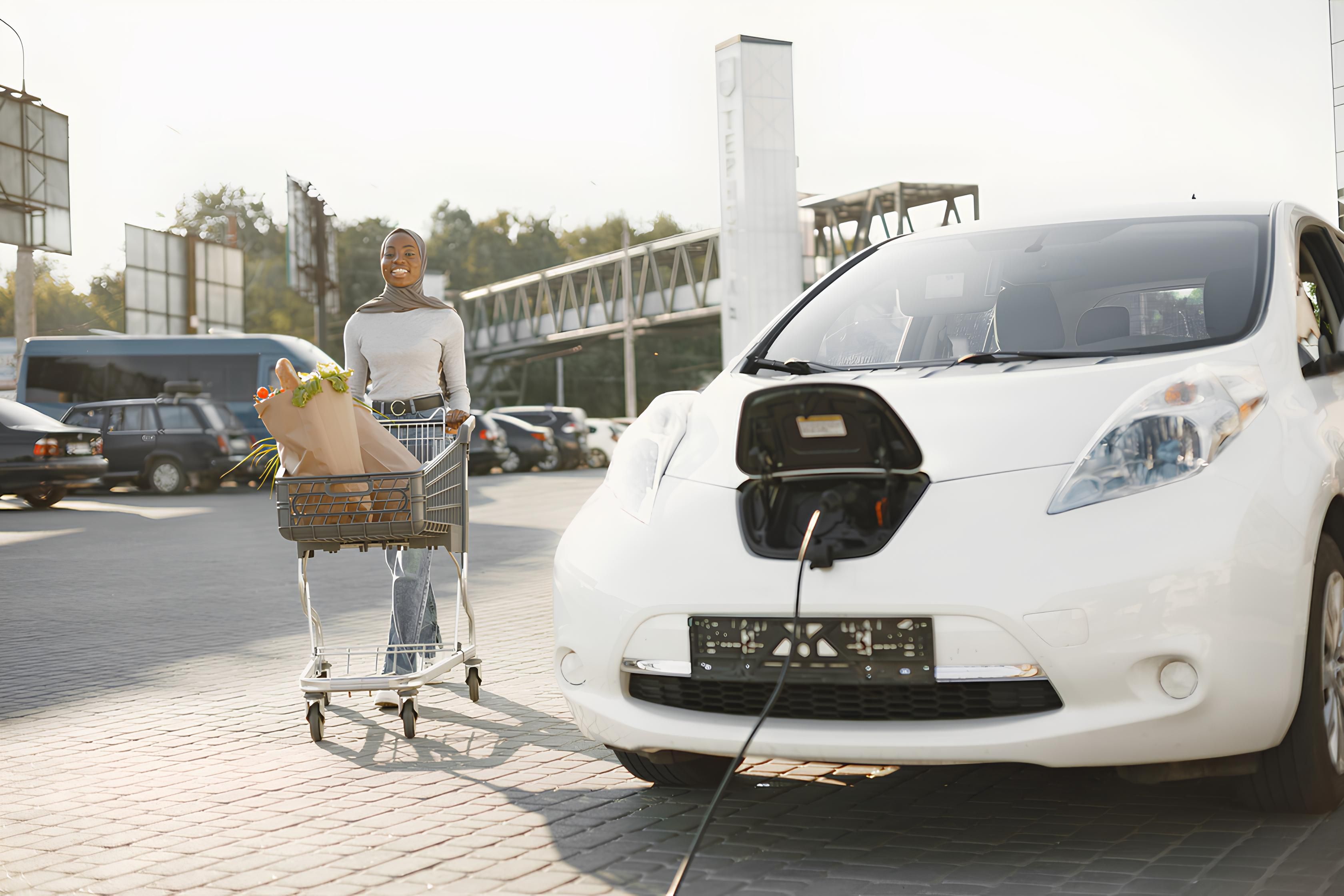
For daily use, electric cars are designed to handle common driving needs such as commuting, school runs, shopping trips, and short-distance travel. Modern electric vehicles, often referred to as EVs, typically offer quiet operation, smooth acceleration, and simplified mechanical systems. Over the past decade, advances in battery technology and charging infrastructure have made electric cars more practical for routine use in urban and suburban settings.
Daily-use electric cars focus on balanced driving range, manageable charging times, compact or midsize design, and user-friendly technology. These vehicles are increasingly positioned as standard transportation options rather than niche alternatives.
Importance: Why Electric Cars for Daily Use Matter Today
Electric cars play a growing role in addressing transportation-related challenges faced by individuals and societies. Their relevance extends beyond environmental considerations and directly affects daily mobility patterns.
Key reasons this topic matters include:
-
Urban air quality improvement: Electric cars produce no tailpipe emissions, which helps reduce localized air pollution in cities.
-
Energy efficiency: Electric motors convert a higher percentage of stored energy into motion compared to combustion engines.
-
Predictable daily travel needs: Many daily trips fall within typical electric driving ranges, making EVs suitable for routine use.
-
Technology integration: Features such as regenerative braking, digital dashboards, and driver-assistance systems are common in electric cars.
This topic affects commuters, families, urban residents, policymakers, and infrastructure planners. Electric cars help address problems such as fuel dependency, noise pollution, and inefficiencies in short-distance driving. As transportation systems evolve, understanding daily-use electric vehicles becomes increasingly relevant for informed decision-making.
Recent Updates: Trends and Developments in the Past Year
The past year has seen notable developments in the electric vehicle landscape, particularly related to daily-use models.
In 2025, several manufacturers expanded their electric lineups with updated battery chemistries designed to improve durability and seasonal performance. Software-based efficiency updates became more common, allowing vehicles to improve energy management through over-the-air updates.
Charging infrastructure also continued to evolve. Throughout 2024 and early 2025, many regions reported increased deployment of fast-charging stations along urban corridors and residential areas. Standardization discussions around charging connectors progressed, aiming to improve compatibility across brands.
Another key trend has been the growing emphasis on compact and midsize electric cars rather than only large vehicles. Automakers, including companies such as Tesla and Nissan, continued refining models intended for routine commuting rather than long-distance travel alone.
Battery recycling and lifecycle transparency also gained attention, with several policy discussions and pilot programs announced globally during 2024–2025.
Laws or Policies: Regulatory Influence on Electric Cars
Electric cars are significantly shaped by national and regional policies. Regulations influence safety standards, manufacturing requirements, charging infrastructure planning, and environmental targets.
Common policy areas affecting electric cars include:
-
Emission regulations: Many countries have set targets to reduce vehicle emissions, encouraging the adoption of electric vehicles.
-
Infrastructure planning mandates: Governments often coordinate with local authorities to support charging station deployment in residential and commercial zones.
-
Vehicle standards: Safety and performance regulations ensure electric cars meet crash, battery safety, and cybersecurity requirements.
-
Fleet transition policies: Some public transportation and municipal fleets are gradually shifting toward electric vehicles, influencing broader adoption.
In regions such as the European Union, updated vehicle emission frameworks introduced in recent years continue to shape the automotive market. In the United States, federal and state-level programs influence electric vehicle adoption through regulatory guidance and infrastructure coordination. Similar policy frameworks are emerging across parts of Asia-Pacific.
These policies help create a structured environment in which electric cars can be safely integrated into everyday transportation systems.
Tools and Resources: Helpful Support for Electric Car Users
Several tools and digital resources support understanding and managing electric cars for daily use. These tools focus on planning, efficiency, and usability rather than commercial transactions.
Commonly used resources include:
-
Driving range estimators: Tools that calculate estimated daily range based on speed, weather, and terrain.
-
Charging locator apps: Applications that display nearby public and private charging stations with real-time availability.
-
Energy consumption dashboards: Built-in vehicle systems or apps that track efficiency trends over time.
-
Route planning tools: Navigation platforms optimized for electric vehicles, factoring in charging stops and elevation.
-
Battery health monitors: Software tools that provide insights into long-term battery performance.
These resources help drivers understand daily driving patterns, optimize energy use, and plan routes more effectively.
Overview Table: Key Characteristics of Daily-Use Electric Cars
| Feature Area | Typical Characteristics |
|---|---|
| Driving Range | Optimized for short to medium daily distances |
| Charging Options | Home charging and public fast charging compatibility |
| Vehicle Size | Compact to midsize configurations |
| Energy Efficiency | High efficiency in stop-and-go traffic |
| Technology | Digital displays, mobile integration, driver assistance |
This table highlights general attributes rather than model-specific details, focusing on everyday usability.
FAQs: Common Questions About Electric Cars for Daily Use
1. Are electric cars suitable for short daily commutes?
Yes. Electric cars are particularly well-suited for short and medium daily commutes, as these trips typically fall within standard driving ranges and benefit from efficient energy use in urban conditions.
2. How long does daily charging usually take?
Charging time depends on the charging method and battery size. Home charging is often completed overnight, while public fast chargers can replenish a significant portion of the battery in a shorter period.
3. Do electric cars perform differently in cold or hot weather?
Extreme temperatures can affect battery efficiency. Modern electric cars include thermal management systems designed to reduce performance variation across seasons.
4. Is maintenance different compared to traditional cars?
Electric cars generally have fewer moving parts. This often results in different maintenance needs, focusing more on software updates, tires, and brake systems.
5. Can electric cars handle mixed city and highway driving daily?
Yes. Most daily-use electric cars are engineered to manage a combination of city traffic and highway speeds efficiently.
Visual Insight: Typical Daily Driving Distribution (Conceptual)
While not shown as an image, studies often illustrate that a large percentage of daily trips are under 50 kilometers. This pattern aligns closely with the design focus of daily-use electric cars, emphasizing efficiency over extreme range.
Conclusion: Key Takeaways on Electric Cars for Daily Use
Electric cars designed for daily use represent a practical evolution in personal transportation. They address modern mobility needs by aligning vehicle capabilities with typical driving habits. Advances in battery technology, infrastructure development, and regulatory support have contributed to their growing presence in everyday life.
Understanding the context, importance, recent trends, and policy environment helps clarify why electric cars are increasingly considered standard options for routine travel. With appropriate tools and informed awareness, individuals can better evaluate how electric vehicles fit into daily transportation patterns.
As transportation systems continue to evolve, electric cars are likely to remain a central topic in discussions about efficiency, sustainability, and urban mobility.