Beaches of the Maldives: An Overview with Basics, Information, and Key Details
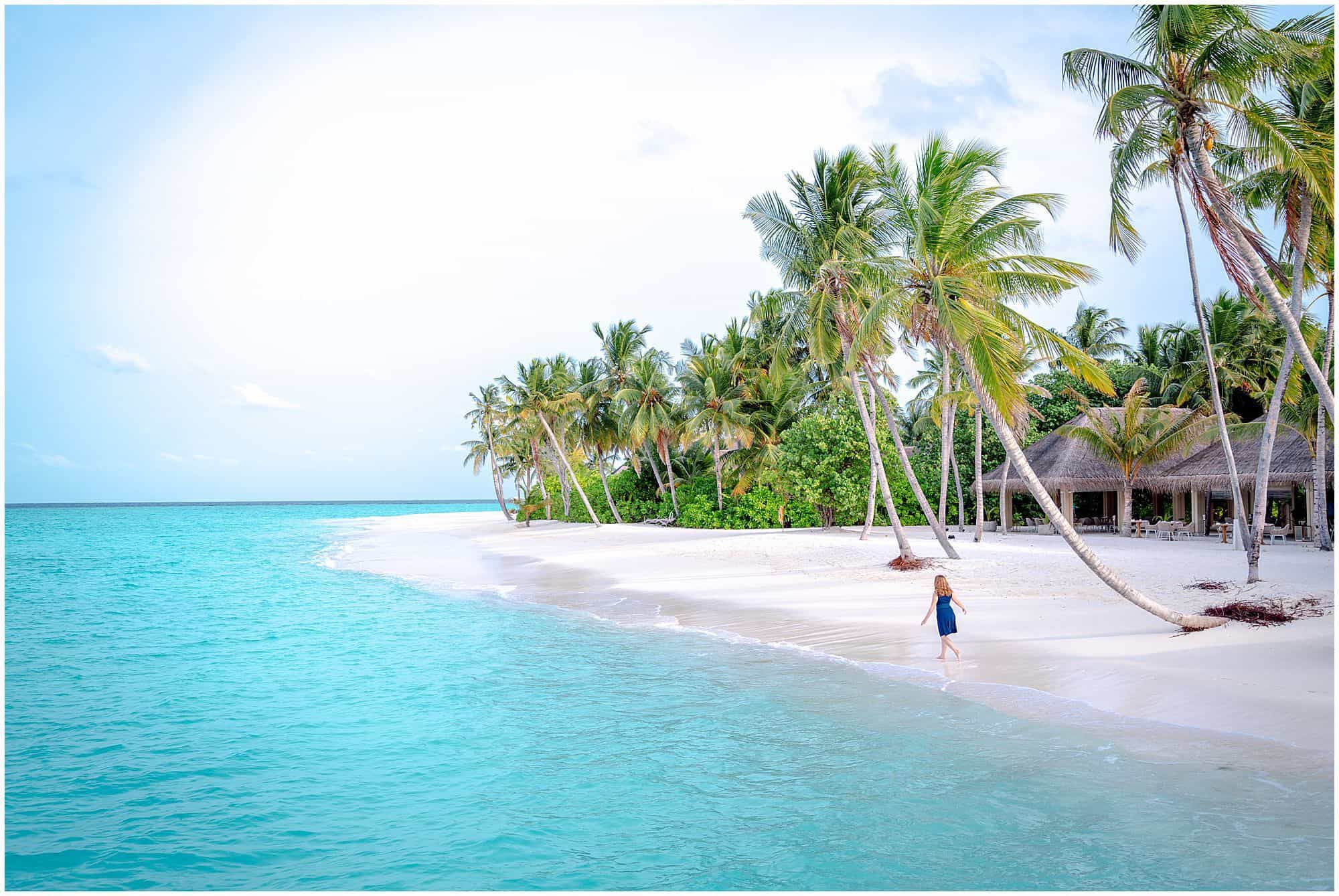
The beaches of Maldives are formed by a chain of low-lying coral islands spread across the Indian Ocean. These islands exist because of ancient coral reef systems that grew around submerged volcanic ridges. Over time, waves and currents deposited fine white sand made from coral fragments, creating naturally shallow lagoons and wide beaches.
This coastal environment developed without large rivers or mountains, which explains the clarity of the water and the consistent sandy shoreline. The beaches are closely connected to surrounding reefs, lagoons, and marine ecosystems, making them part of a single natural system rather than isolated landforms.
Importance
Maldives beaches matter because they play multiple roles beyond visual appeal. They affect local communities, ecosystems, and regional environmental stability.
For residents, beaches protect islands from erosion by absorbing wave energy. For marine life, nearby reefs support fish populations and biodiversity. For visitors and researchers, the beaches offer a living example of how coral islands function in tropical oceans.
Key reasons this topic remains important include:
-
Coastal protection for small island environments
-
Preservation of coral reef ecosystems
-
Educational value for climate and marine studies
-
Cultural and environmental awareness for island-based living
Understanding these beaches helps explain broader topics such as ocean health, sea-level interaction, and sustainable coastal management.
Recent Updates
In recent months, attention has increased around reef health, shoreline stability, and lagoon conservation in the Maldives. Environmental monitoring programs have expanded reef surveys and beach profiling to track natural changes in sand movement and coral recovery.
New trends include:
-
Greater use of satellite mapping to observe shoreline changes
-
Community-led reef restoration projects using coral frames
-
Increased research on microplastics in beach sand
-
Improved data collection on lagoon water temperature and clarity
These updates reflect a shift toward evidence-based environmental observation rather than visual assessment alone.
Laws or Policies
Beaches in the Maldives are influenced by environmental protection frameworks that focus on reef conservation, coastal stability, and responsible island development. General policy approaches include guidelines for reef-safe activities, limits on shoreline modification, and environmental impact assessments for large-scale island changes.
Such policies aim to balance human use with long-term ecological protection. While enforcement methods vary, the central goal is to reduce reef damage and prevent accelerated erosion caused by unmanaged coastal alteration.
Tools and Resources
Several tools and resources help people understand and study Maldives beaches more effectively:
-
Satellite mapping platforms for observing shoreline patterns and lagoon depth
-
Reef monitoring databases that track coral health and bleaching events
-
Marine biodiversity atlases documenting fish and coral species
-
Educational portals focused on island ecosystems and coastal science
Helpful digital resources often used for reference and learning include organizations such as National Geographic, UN Environment Programme, and NOAA, which provide general coastal and marine insights applicable to coral island environments.
Key Beach Characteristics (Table Overview)
| Feature | Description |
|---|---|
| Sand Type | Fine white sand formed from coral fragments |
| Water Depth | Gradual shallow lagoons near shore |
| Wave Energy | Low due to surrounding reef barriers |
| Biodiversity | High marine life density near reefs |
| Island Elevation | Naturally low-lying above sea level |
FAQs
Why is the sand in the Maldives so white?
The sand is mainly made from broken coral and shells that have been naturally ground down over time, giving it a light color and soft texture.
Are Maldives beaches naturally calm?
Yes. Coral reefs surrounding the islands act as natural barriers, reducing wave strength and creating calm lagoons.
Do all islands in the Maldives have beaches?
Most islands feature sandy shorelines, but size, shape, and beach width can vary depending on reef structure and currents.
How do coral reefs affect beaches?
Reefs protect beaches from strong waves and supply the sand material that maintains shoreline shape.
Are these beaches changing over time?
Yes. Natural processes such as currents, storms, and coral growth continuously reshape beaches, which is why monitoring is important.
Conclusion
The beaches of the Maldives are the result of long-term natural processes involving coral growth, ocean currents, and sediment movement. They serve environmental, protective, and educational roles while supporting diverse marine ecosystems.
Understanding their structure and function provides insight into coral island geography and highlights why careful environmental management is essential. Rather than being static landscapes, these beaches are dynamic systems shaped by the ocean, reefs, and climate interactions.