Balcony Hanging Chairs: Explore Guide, Tips, Insights, Advice, and Helpful Suggestions
Balcony hanging chairs are suspended seating structures designed to create a relaxing sitting experience in small outdoor or semi-outdoor spaces. Unlike traditional chairs that rest on the ground, these chairs hang from ceilings, beams, or specialized stands. The design allows gentle swinging movement, which many people find calming and comfortable.
The concept of suspended seating is not new. Similar designs have existed for centuries in the form of hammocks and swing seats. Over time, modern interior design and outdoor furniture innovation transformed these ideas into compact seating solutions suitable for balconies, patios, and terraces.
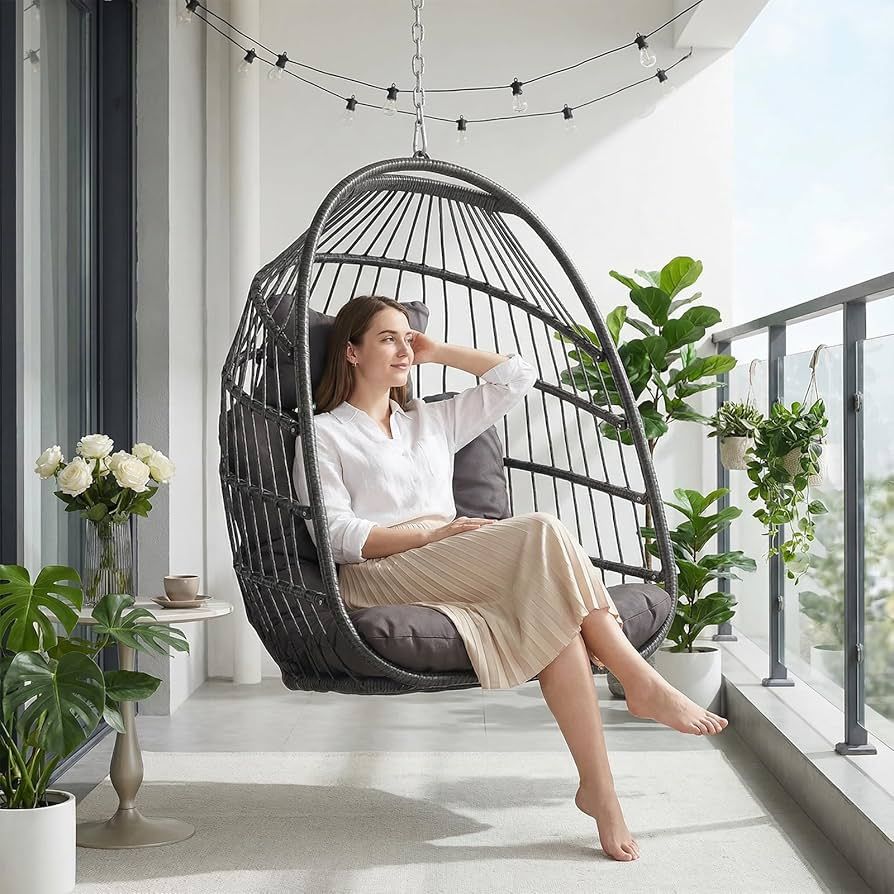
Today, balcony hanging chairs appear in many forms, including egg chairs, woven rattan seats, fabric hammock chairs, and minimalist metal-frame designs. Materials often include synthetic wicker, rope, wood, and durable metal frames. These materials are selected for both durability and visual appeal.
Balconies in modern apartments and urban homes are often limited in size. As a result, space-efficient seating has become an important part of residential design. Hanging chairs provide a practical way to maximize comfort without occupying large floor areas.
Beyond functionality, these chairs contribute to the aesthetic identity of a balcony. Designers often incorporate cushions, neutral color palettes, and textured materials to create a cozy outdoor environment. When combined with plants or small side tables, hanging chairs can transform a simple balcony into a quiet reading or relaxation corner.
Why Balcony Hanging Chairs Matter in Modern Living
Urban housing design increasingly prioritizes compact living spaces. Balconies serve as a connection between indoor living and the outdoor environment. In such settings, balcony hanging chairs play a meaningful role in enhancing usability and comfort.
One important aspect is space efficiency. Traditional furniture often takes up valuable floor area, making small balconies feel crowded. Hanging chairs utilize vertical space, leaving room for plants, storage units, or decorative elements.
Another factor is ergonomic comfort. Many hanging chair designs follow curved shapes that support the back and shoulders. The suspended structure distributes body weight evenly, which can help reduce pressure points during sitting.
Balcony hanging chairs also support wellness-oriented lifestyles. Gentle swinging movement can create a relaxing experience while reading, listening to music, or spending quiet time outdoors. For many people, balconies become a personal retreat within a busy living environment.
The design also benefits multi-functional home spaces. A balcony equipped with a hanging chair may serve as:
-
A reading corner
-
A meditation or reflection space
-
A quiet workspace for fresh air breaks
-
A decorative focal point in residential architecture
From a broader perspective, balcony seating contributes to the overall quality of residential living. Architects and interior designers increasingly integrate outdoor comfort elements when planning modern apartments.
Trends and Developments in Balcony Seating Design
Balcony furniture design continues to evolve alongside broader home improvement and outdoor living trends. Recent design discussions highlight several developments influencing balcony hanging chairs.
One trend focuses on sustainable materials. Furniture manufacturers and designers increasingly explore recycled materials, responsibly sourced wood, and weather-resistant fabrics. These materials aim to balance durability with environmental considerations.
Another noticeable trend involves minimalist architecture. Many modern balconies adopt simple color palettes such as neutral beige, matte black, or soft earth tones. Hanging chairs with clean geometric frames align with this design style.
A third development is the rise of modular outdoor furniture systems. In some cases, hanging chairs are designed to integrate with balcony storage units, plant stands, or foldable furniture components.
Technology has also influenced balcony design planning. Digital visualization tools and interior design software help homeowners experiment with furniture placement before arranging a physical space.
The following table summarizes some common design trends observed in balcony hanging chair setups.
| Design Trend | Description | Design Benefit |
|---|---|---|
| Sustainable Materials | Use of recycled wicker, bamboo, or eco-friendly fabrics | Environmental awareness |
| Minimalist Frames | Clean metal structures and neutral colors | Modern visual appeal |
| Compact Designs | Small seating profiles suited for narrow balconies | Space optimization |
| Integrated Decor | Pairing chairs with plants, lighting, or cushions | Balanced aesthetic |
These developments show how balcony hanging chairs are evolving beyond simple seating into elements of thoughtful home design.
Regulations and Structural Considerations
Balcony hanging chairs interact with structural components of a building. As a result, certain guidelines and regulations may influence how these chairs are installed.
Building safety codes in many regions establish rules related to load-bearing capacity, ceiling strength, and balcony railings. Suspended seating must be supported by strong anchor points capable of holding dynamic weight.
Common structural considerations include:
-
Ceiling beams or concrete anchors for suspension
-
Weight distribution across mounting hardware
-
Balcony railing height and safety clearance
-
Distance between the chair and walls or railings
Property management guidelines may also affect installation choices. In multi-unit residential buildings, modifications to ceilings or balcony structures may require approval to maintain structural safety.
Safety recommendations often emphasize using certified mounting hardware and checking installation points periodically. These measures help ensure the chair remains stable during regular use.
When balconies cannot support ceiling mounting, many people choose stand-based hanging chairs. These chairs use a freestanding metal frame that holds the suspended seat without altering building structures.
Helpful Tools and Resources for Balcony Planning
Planning a balcony layout with hanging furniture can benefit from digital tools and practical resources. These resources assist with measurements, design ideas, and safe installation planning.
Some commonly used tools include:
-
Room planning software for balcony layout visualization
-
Interior design applications that simulate furniture placement
-
Weight capacity calculators used to estimate load distribution
-
Home improvement planning templates for organizing balcony layouts
-
Weather exposure guides for selecting durable materials
The following table highlights categories of useful tools.
| Tool Category | Purpose |
|---|---|
| Balcony layout planners | Visualize furniture placement |
| Interior design apps | Experiment with color and style |
| Structural load calculators | Estimate support capacity |
| Material durability guides | Understand weather resistance |
| Home improvement templates | Organize balcony design ideas |
These resources help individuals make informed decisions when designing a balcony seating arrangement.
Frequently Asked Questions
What is a balcony hanging chair?
A balcony hanging chair is a suspended seating design intended for small outdoor or semi-outdoor spaces. It hangs from a ceiling anchor or a freestanding frame and provides gentle swinging movement for relaxation.
Are hanging chairs suitable for small balconies?
Yes, many hanging chair designs are compact and intended for limited spaces. Because they suspend above the floor, they can create comfortable seating without occupying large amounts of balcony area.
What materials are commonly used in hanging chairs?
Common materials include woven rattan, rope, synthetic wicker, wood, and metal frames. Cushions often use weather-resistant fabrics designed for outdoor conditions.
How can someone ensure safe installation?
Safety typically depends on proper mounting hardware and adequate structural support. Ceiling anchors, beams, or freestanding stands should be designed to handle the weight of the chair and its user.
Can hanging chairs be used indoors as well?
Yes. Many designs are versatile and can appear in indoor spaces such as living rooms, sunrooms, or reading corners. Indoor use often focuses on decorative style and comfort.
Conclusion
Balcony hanging chairs represent a thoughtful blend of comfort, design, and space efficiency. As urban living environments become more compact, creative furniture solutions play an important role in making outdoor spaces more enjoyable.
These chairs provide a relaxing seating experience while contributing to the visual character of a balcony. Their suspended design allows people to maximize limited space without sacrificing comfort or aesthetic appeal.
Recent developments in materials, minimalist design, and digital planning tools have expanded the possibilities for balcony layouts. At the same time, structural considerations and safety guidelines remain essential when installing suspended furniture.