Autonomous Bulldozers: Complete Guide, Basics & Key Insights
Autonomous bulldozers are heavy construction machines designed to perform earthmoving tasks with minimal or no direct human control. They rely on technologies such as artificial intelligence, GPS machine control systems, onboard sensors, and advanced software algorithms.
Traditional bulldozers require skilled operators to control movement, blade angle, and grading precision. Autonomous systems automate these actions using pre-programmed instructions, real-time data, and terrain mapping tools.
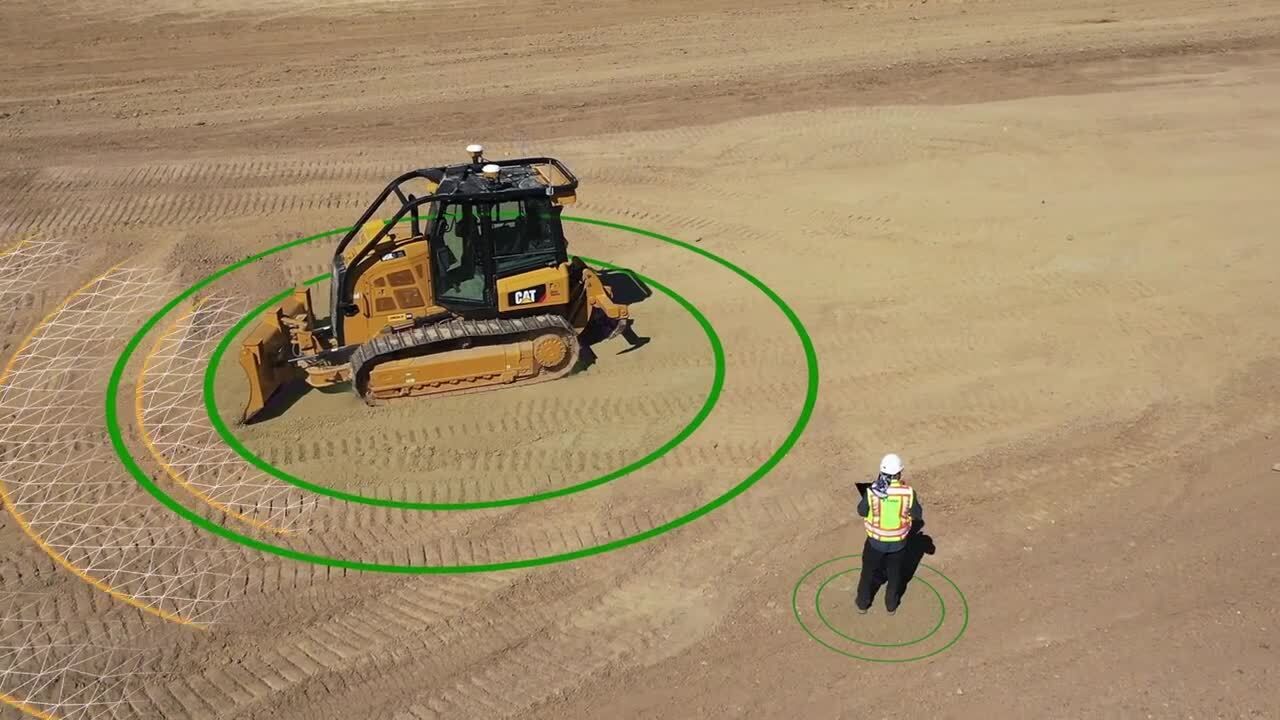
The concept exists because construction and infrastructure projects are becoming more complex and data-driven. Modern job sites demand higher precision, improved safety standards, and efficient resource management. Automation helps address these evolving requirements.
Autonomous bulldozers are commonly used in:
-
Large-scale infrastructure development
-
Mining and quarry operations
-
Land leveling and grading
-
Road construction projects
-
Industrial site preparation
These machines represent a broader shift toward smart construction technology and digital transformation in heavy industries.
Why Autonomous Bulldozers Matter Today
Autonomous bulldozers are increasingly important because construction projects face rising demands for accuracy, productivity, and safety compliance.
Key reasons this technology matters include:
Improved precision
Automated systems use GPS-guided grading and 3D terrain models to reduce human error. This enhances surface accuracy and reduces rework.
Enhanced safety
Construction site safety technology reduces exposure of workers to hazardous environments. Remote or autonomous operation lowers the risk of accidents in high-risk areas such as unstable terrain or mining zones.
Operational efficiency
AI-driven equipment can operate continuously with consistent performance, supporting large-scale projects that require steady output.
Data-driven decision making
Autonomous bulldozers collect operational data such as fuel usage, blade positioning, and terrain metrics. Project managers use this information to optimize planning and monitor site performance.
Workforce adaptation
As skilled heavy equipment operators become harder to find in some regions, automation supports workforce sustainability by shifting roles toward monitoring and technical supervision.
The impact extends to contractors, infrastructure planners, engineers, safety regulators, and technology developers. It also contributes to broader discussions about automation in industries such as mining and logistics.
Recent Trends and Technological Developments
Over the past year, several developments have shaped the evolution of autonomous heavy equipment.
Expansion of AI integration
Manufacturers have strengthened machine learning algorithms that allow bulldozers to adapt to variable terrain conditions. These systems refine blade control based on real-time feedback.
Remote operation platforms
There has been increased adoption of remote control centers where operators supervise multiple machines through digital dashboards and live camera feeds.
Advanced telematics
Modern bulldozers now integrate telematics systems that provide predictive maintenance alerts, reducing unexpected downtime and improving equipment lifecycle management.
Digital twin technology
Some projects now use digital twin models to simulate construction workflows before machines begin operations. This helps align autonomous grading with engineering designs.
Collaboration with infrastructure technology providers
Partnerships between equipment manufacturers and software developers have expanded, focusing on cloud-based data platforms and integrated construction management systems.
These developments highlight the rapid transformation of AI in construction and the increasing convergence of hardware and software in heavy equipment automation.
Legal and Regulatory Considerations
Autonomous bulldozers operate within existing frameworks governing construction safety, machinery standards, and environmental compliance.
Construction safety regulations
Authorities typically require that automated equipment meets strict safety certifications. This includes emergency stop systems, collision detection sensors, and fail-safe mechanisms.
Workplace safety compliance
Even when machines operate autonomously, job sites must maintain oversight protocols. Regulations often mandate trained personnel to supervise automated operations.
Environmental policies
Bulldozers, whether autonomous or conventional, must comply with emissions standards and noise regulations. Electrification and hybrid systems are being explored to align with sustainability guidelines.
Data governance
Because autonomous machines collect and transmit operational data, companies must follow data protection policies and cybersecurity standards to safeguard sensitive project information.
Infrastructure development programs
In some regions, government initiatives encourage digital transformation in construction, indirectly supporting automation through funding for smart infrastructure projects and research programs.
While specific requirements vary by jurisdiction, regulatory bodies generally emphasize safety validation, transparency in operations, and compliance with industrial standards.
Tools, Platforms, and Technical Resources
Professionals working with autonomous bulldozers rely on a range of digital and technical resources.
Common tools include:
GPS and GNSS control systems
These systems enable accurate grading and positioning using satellite signals.
Construction project management software
Digital platforms integrate machine data with project timelines, helping managers coordinate multiple assets.
Telematics dashboards
These provide insights into equipment health, fuel consumption, and performance analytics.
Simulation and training software
Virtual simulators allow operators to learn autonomous systems in controlled environments.
Terrain modeling applications
3D mapping tools generate site models that autonomous bulldozers follow during grading operations.
Frequently Asked Questions
What is the main difference between automated and autonomous bulldozers?
Automated bulldozers may assist operators with guidance systems, while fully autonomous models can perform tasks with minimal human intervention using AI and sensors.
Are autonomous bulldozers completely independent?
Most systems still require human oversight. Remote supervisors monitor operations and intervene if necessary, especially in complex or unpredictable conditions.
How do autonomous bulldozers navigate terrain?
They use GPS signals, onboard sensors, cameras, lidar, and preloaded digital terrain maps to determine position and adjust blade movement accurately.
Do autonomous bulldozers improve safety?
They can enhance safety by reducing worker exposure to hazardous environments. However, safe implementation depends on compliance with established construction site safety protocols.
What skills are needed to work with autonomous construction equipment?
Technical knowledge in machine control systems, data analytics, remote operation platforms, and safety compliance is increasingly important.
Conclusion
Autonomous bulldozers represent a significant development in heavy equipment automation and AI in construction. By combining advanced sensors, GPS machine control systems, and data analytics, these machines aim to improve precision, operational efficiency, and construction site safety.
The technology is part of a broader transformation toward smart infrastructure and digital construction ecosystems. Recent advancements in telematics, remote supervision, and predictive analytics show that automation is steadily integrating into mainstream projects.
At the same time, regulatory frameworks, workplace safety standards, and data governance policies play an essential role in guiding responsible adoption.
For engineers, infrastructure planners, policymakers, and technology professionals, understanding autonomous bulldozers is not just about machinery. It is about how digital systems, artificial intelligence, and regulatory oversight intersect to shape the future of construction technology.