Automated Billing Software: Complete Guide, Overview & Key Insights
Automated billing software refers to digital systems that generate invoices, calculate charges, apply taxes, manage subscriptions, and track payments without extensive manual input. These platforms are part of modern financial management systems and are widely used by businesses of all sizes.
Billing automation systems emerged as organizations began moving away from paper-based accounting and spreadsheet-driven processes. Manual billing often led to delayed invoices, data entry errors, and difficulty tracking recurring payments. As digital transactions and subscription-based business models expanded, the need for streamlined invoicing and payment processing tools became more apparent.
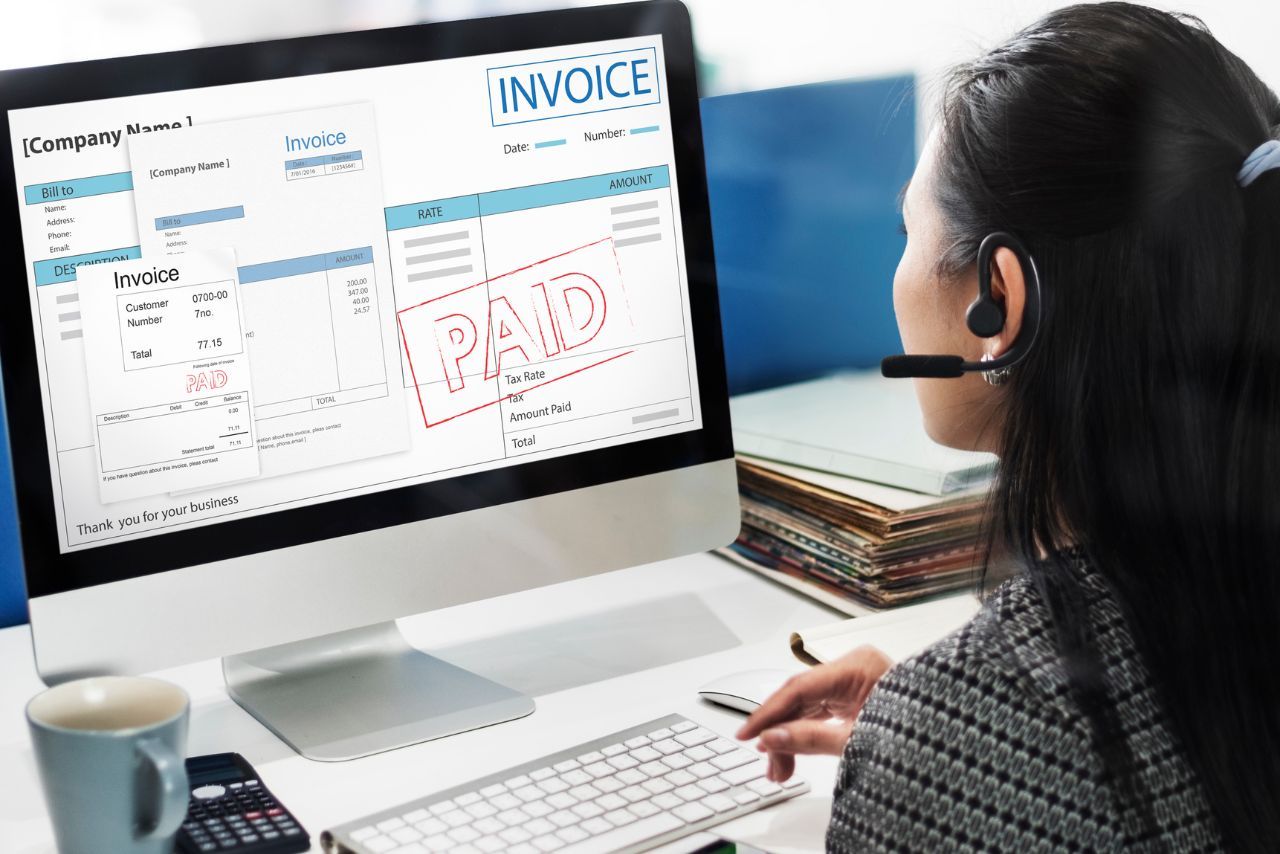
Today, automated billing software is commonly integrated with cloud accounting software, enterprise resource planning systems, and customer relationship management platforms. These integrations help centralize financial data, improve accuracy, and support real-time reporting.
At its core, automated billing software exists to reduce repetitive administrative work and create consistent, transparent billing workflows. It supports both one-time invoices and recurring billing structures, which are particularly relevant in subscription management platforms and SaaS billing solutions.
Why Automated Billing Software Matters Today
Automated billing software plays a key role in the digital transformation of financial operations. Businesses increasingly rely on online payments, subscription models, and remote operations. In such an environment, manual billing can slow processes and increase the risk of errors.
Several groups are directly affected by billing automation systems:
-
Small and medium enterprises managing recurring payments
-
Large enterprises handling complex revenue cycle management
-
Freelancers and consultants issuing regular invoices
-
Educational institutions and healthcare providers tracking service-based billing
-
E-commerce platforms processing high transaction volumes
The importance of automated billing software can be understood through the problems it addresses.
Manual invoicing often results in:
-
Inconsistent invoice formatting
-
Missed billing cycles
-
Incorrect tax calculations
-
Delayed payment reminders
-
Limited financial reporting visibility
Automated systems solve these issues by:
-
Generating invoices based on predefined rules
-
Automatically applying tax rates
-
Sending scheduled reminders
-
Recording payments in real time
-
Creating dashboards and financial reports
From a financial compliance software perspective, automation also supports accurate record-keeping. This is particularly important for audit preparation and regulatory reporting.
Another major factor is the growth of subscription-based services. Many industries now operate under recurring billing structures, including software, digital media, utilities, and professional services. Automated billing software ensures recurring invoices are issued consistently and that changes in pricing or usage are reflected accurately.
Recent Developments and Industry Trends
Over the past year, billing automation systems have continued to evolve alongside broader trends in digital finance and cloud infrastructure.
One significant trend has been the integration of artificial intelligence and machine learning features into automated billing software. These tools are now being used to:
-
Detect unusual billing patterns
-
Predict late payments
-
Recommend pricing adjustments
-
Identify duplicate transactions
Cloud-based platforms have also become more prominent. Businesses increasingly adopt cloud accounting software that supports remote access, real-time collaboration, and secure data storage.
Another recent development involves enhanced compliance features. With expanding data protection and financial reporting requirements in various jurisdictions, billing automation systems now include:
-
Automated tax rule updates
-
Digital audit trails
-
Secure encryption protocols
-
Role-based access controls
Subscription management platforms have also introduced more flexible billing models, such as usage-based pricing and hybrid subscription plans. These models require dynamic calculation engines that adjust invoices according to consumption or tier changes.
The following table illustrates how billing software capabilities have expanded:
| Feature Category | Earlier Systems | Modern Automated Systems |
|---|---|---|
| Invoice Generation | Manual templates | Rule-based auto-generation |
| Payment Tracking | Spreadsheet updates | Real-time dashboard tracking |
| Tax Handling | Manual entry | Automated tax calculation |
| Reporting | Basic summaries | Advanced analytics and forecasting |
| Subscription Billing | Limited support | Flexible recurring and usage models |
These developments reflect a broader move toward integrated revenue cycle management, where billing, payments, accounting, and reporting function within a unified ecosystem.
Legal and Policy Considerations
Automated billing software operates within a framework of financial regulations, tax laws, and data protection policies. Although specific rules vary by jurisdiction, several general regulatory themes apply globally.
Financial reporting standards require accurate and transparent documentation of revenue. Automated billing software helps maintain detailed records, including invoice histories and payment confirmations, which are essential during audits.
Data protection laws influence how billing platforms store and process customer information. Many systems now incorporate encryption, secure servers, and access controls to align with privacy regulations.
Tax compliance is another important factor. Automated billing software often includes configurable tax engines that adjust calculations according to applicable sales tax or value-added tax rules. Regular updates ensure alignment with regulatory changes.
Electronic invoicing policies are also expanding in various regions. Some governments require digital invoice submission or standardized formats. Billing automation systems increasingly support these formats, helping organizations remain compliant.
Below is a simplified overview of regulatory impact areas:
| Regulatory Area | Impact on Billing Software |
|---|---|
| Financial Reporting | Requires accurate revenue records |
| Tax Regulations | Automated tax calculation and updates |
| Data Protection Laws | Secure data storage and encryption |
| E-Invoicing Policies | Digital invoice formatting and submission |
Compliance features are not optional enhancements but essential components of modern financial compliance software.
Tools and Resources Related to Billing Automation
A range of tools support automated billing and financial management processes. These include invoicing platforms, accounting systems, and payment processors.
Some widely recognized platforms include:
-
QuickBooks
-
Zoho Invoice
-
Stripe
-
FreshBooks
-
Xero
These tools often provide:
-
Automated invoice generation
-
Recurring billing setup
-
Payment gateway integration
-
Financial reporting dashboards
-
Multi-currency support
Additional helpful resources include:
-
Tax rate calculators from official government portals
-
Accounting templates for revenue tracking
-
Financial reporting guides from professional accounting bodies
-
Cybersecurity best practice frameworks for protecting billing data
Organizations selecting billing automation systems typically evaluate integration compatibility, reporting features, compliance support, and scalability.
Frequently Asked Questions
What is automated billing software used for?
Automated billing software is used to generate invoices, track payments, manage subscriptions, and maintain financial records with minimal manual intervention. It supports both one-time and recurring billing processes.
Is automated billing software suitable for small businesses?
Yes. Many cloud-based platforms are designed for small and medium enterprises. They simplify invoicing, improve payment tracking, and reduce administrative workload.
How does automated billing improve accuracy?
It reduces manual data entry and applies predefined billing rules. Automated tax calculations and system-generated invoices decrease the likelihood of human error.
Can automated billing software integrate with other systems?
Most modern billing automation systems integrate with accounting software, payment gateways, and customer management platforms, creating a unified financial workflow.
Does automated billing support regulatory compliance?
Many systems include audit trails, secure data storage, and automated tax calculations, which help organizations meet financial reporting and data protection requirements.
Visual Overview of Billing Workflow
The following simplified process illustrates how automated billing software operates within a financial ecosystem:
Invoice Creation → Tax Calculation → Payment Processing → Recording in Accounting System → Reporting Dashboard Update
This streamlined flow reduces administrative complexity and improves transparency across revenue cycle management.
Conclusion
Automated billing software has become a central component of digital financial operations. By replacing manual invoicing methods with rule-based automation, businesses can improve accuracy, streamline revenue tracking, and enhance compliance readiness.
As digital payments, subscription models, and remote work environments continue to expand, billing automation systems will likely evolve further. Integration with artificial intelligence, cloud accounting software, and advanced analytics tools reflects the ongoing modernization of financial management.
For organizations of all sizes, automated billing software is not simply a convenience. It is a foundational element of efficient revenue cycle management and sustainable financial oversight in a digitally connected economy.