Artificial Turf Installation Guide: Basics, Tips & Key Insights
Artificial turf installation refers to the process of placing synthetic grass surfaces over a prepared base to create a green, low-maintenance landscape. Originally developed for sports fields, artificial turf systems are now widely used in residential lawns, school grounds, playgrounds, terraces, and commercial landscapes.
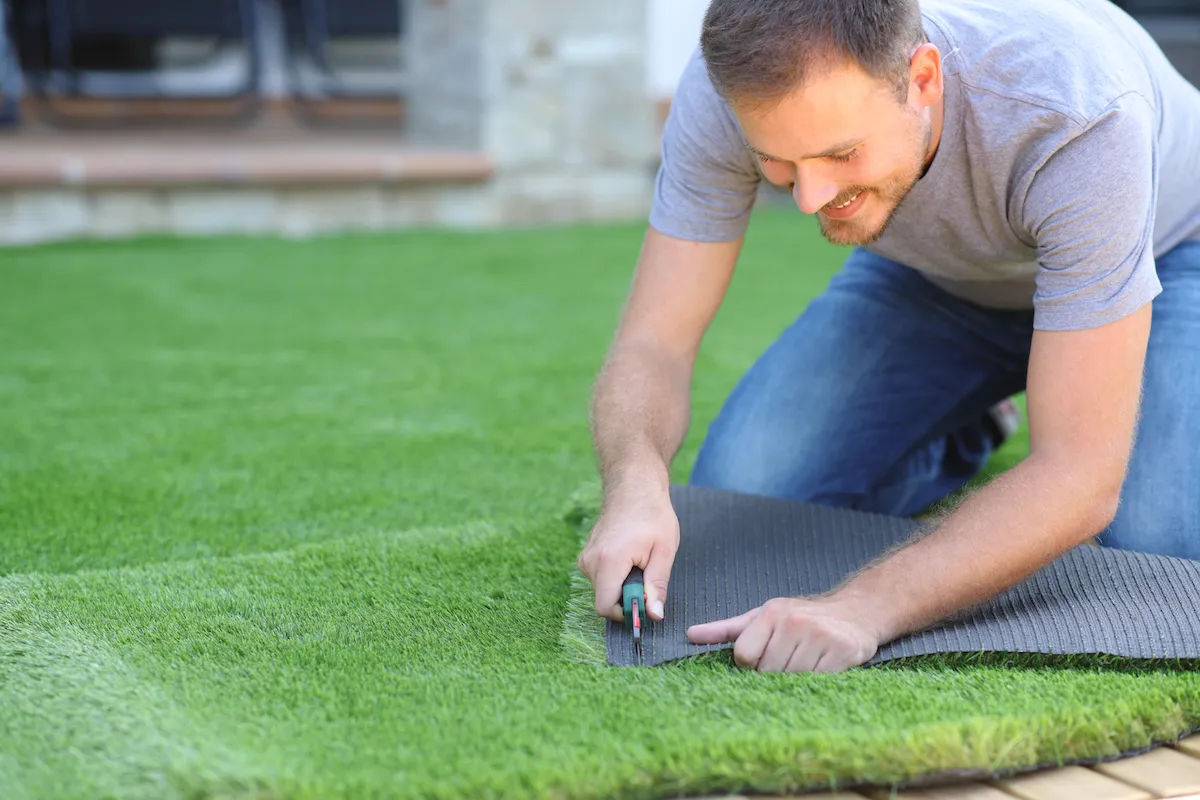
The concept exists to address common lawn challenges such as high water consumption, uneven growth, soil erosion, and seasonal dryness. In areas where maintaining natural grass is difficult due to climate conditions or heavy foot traffic, synthetic grass provides a consistent surface throughout the year.
A typical artificial turf installation includes:
-
Ground clearing and leveling
-
Laying a compacted aggregate base
-
Installing a weed barrier fabric
-
Placing and securing turf rolls
-
Adding infill materials such as silica sand
This process ensures durability, drainage efficiency, and surface stability.
Why Artificial Turf Installation Matters Today
The relevance of artificial turf installation has grown due to environmental concerns, urban development, and changing lifestyle patterns.
Water conservation is a major factor. In regions facing water scarcity, maintaining natural lawns requires significant irrigation. Artificial turf reduces long-term water use and supports eco-friendly landscaping strategies.
Urbanization has also increased demand for compact outdoor flooring solutions. Rooftop gardens, balconies, and small courtyards benefit from lightweight synthetic grass systems that require minimal soil depth.
Artificial turf installation affects multiple groups:
-
Homeowners seeking low-maintenance lawns
-
Schools and sports facilities requiring durable surfaces
-
Property developers planning sustainable landscape design
-
Event venues needing consistent ground appearance
Key problems addressed include:
-
Soil erosion during heavy rainfall
-
Mud formation in playgrounds
-
Patchy lawn growth
-
High maintenance efforts such as mowing and fertilizing
Below is a comparison table illustrating differences between natural grass and artificial turf systems.
| Feature | Natural Grass | Artificial Turf |
|---|---|---|
| Water Usage | High irrigation required | Minimal water requirement |
| Maintenance Effort | Regular mowing & care | Periodic brushing & rinse |
| Surface Consistency | Seasonal variation | Uniform year-round |
| Installation Complexity | Soil preparation | Base & drainage setup |
| Longevity | Depends on climate | Long-term durability |
This comparison highlights why artificial turf installation has become part of sustainable landscape planning discussions.
Recent Updates and Trends
Recent developments in synthetic grass systems focus on sustainability, heat reduction, and recyclability.
Manufacturers have introduced recyclable backing materials to reduce environmental impact at the end of a turf’s life cycle. This aligns with broader sustainability goals in construction and landscaping industries.
Cooling technology has improved surface temperature performance. Some modern artificial turf products integrate reflective pigments and advanced fiber structures to reduce heat absorption under direct sunlight.
Improved drainage layers have also emerged. Permeable turf systems now allow faster water flow, reducing surface pooling after rainfall.
Modular turf tile systems have gained attention for smaller spaces. These interlocking systems simplify installation and make removal or relocation easier.
Research initiatives have also explored microplastic management in synthetic grass systems. New infill materials such as organic cork blends and coated sand are being studied to reduce environmental impact.
These updates indicate that artificial turf installation is evolving with environmental and technical advancements.
Laws and Policy Considerations
Artificial turf installation is influenced by building regulations, environmental standards, and municipal landscaping policies.
In many regions, urban planning authorities require proper drainage design to prevent water runoff issues. Turf base preparation must comply with permeability standards to manage stormwater effectively.
Playground installations may fall under safety surface guidelines. These guidelines specify shock absorption levels and surface stability requirements to reduce injury risk.
Some environmental agencies regulate the type of infill materials allowed in public areas. This is particularly relevant for sports grounds and community parks.
Waste management rules may also affect disposal practices for old synthetic grass materials. Recycling and responsible disposal are often encouraged under environmental sustainability frameworks.
Before installation, reviewing local construction codes and environmental compliance guidelines helps ensure the project aligns with legal requirements.
Tools and Resources for Installation Planning
Planning an artificial turf installation requires both physical tools and digital resources.
Common installation tools include:
-
Plate compactor for base stabilization
-
Utility knife for cutting turf edges
-
Measuring tape for layout accuracy
-
Joining tape and adhesive for seams
-
Garden rake and shovel for leveling
Digital tools and online resources can assist in planning:
-
Landscape design software for layout visualization
-
Drainage slope calculators
-
Surface area measurement apps
-
Building code reference portals
-
Environmental compliance guidelines websites
A simple turf area calculation table may look like this:
| Area Shape | Formula Used | Example (meters) | Total Area |
|---|---|---|---|
| Rectangle | Length × Width | 10 × 5 | 50 m² |
| Square | Side × Side | 6 × 6 | 36 m² |
| Triangle | ½ × Base × Height | 8 × 4 | 16 m² |
Accurate measurement reduces material waste and improves installation efficiency.
Frequently Asked Questions
What is the typical lifespan of artificial turf?
Artificial turf systems are designed for long-term use. Durability depends on usage intensity, base preparation quality, and maintenance practices.
Does artificial turf require maintenance?
Yes. While it does not need mowing or watering like natural grass, periodic brushing, debris removal, and rinsing help maintain surface appearance and hygiene.
Is artificial turf environmentally sustainable?
Artificial turf reduces water use and eliminates fertilizer application. However, environmental impact depends on material selection, recycling practices, and responsible disposal.
How is drainage managed in artificial turf installation?
A compacted aggregate base combined with permeable backing allows water to flow through the surface. Proper slope design ensures runoff management.
Can artificial turf be installed on concrete surfaces?
Yes. With proper surface cleaning, cushioning layers, and drainage planning, synthetic grass systems can be placed over concrete for terraces and balconies.
Conclusion
Artificial turf installation is a structured process designed to create durable, low-maintenance green spaces. From base preparation and drainage planning to compliance with environmental standards, each step contributes to long-term performance.
The increasing focus on water conservation, sustainable landscaping, and urban space optimization has expanded the relevance of synthetic grass systems. Recent innovations in recyclable materials, cooling technology, and permeable drainage layers reflect ongoing improvements in this field.
Understanding installation basics, regulatory considerations, and planning tools helps individuals and organizations make informed decisions. With proper preparation and adherence to guidelines, artificial turf installation can provide consistent outdoor surfaces suited to diverse environments.