Anxiety Disorders Guide: Explanation, Knowledge, and Helpful Insights
Anxiety disorders are a group of mental health conditions characterized by persistent and excessive worry, fear, or nervousness that interferes with daily life. While occasional anxiety is a natural response to stress, anxiety disorders differ in intensity, duration, and impact. They may involve constant worry, sudden panic episodes, physical tension, sleep disturbances, or avoidance of everyday situations.
Anxiety disorders exist because the human brain is designed to detect threats and ensure survival. When this system becomes overactive or misaligned, it can trigger anxiety responses even in safe environments. These conditions are not a sign of weakness or lack of willpower. They are influenced by a combination of biological, psychological, and environmental factors, including genetics, brain chemistry, life experiences, and prolonged stress exposure.
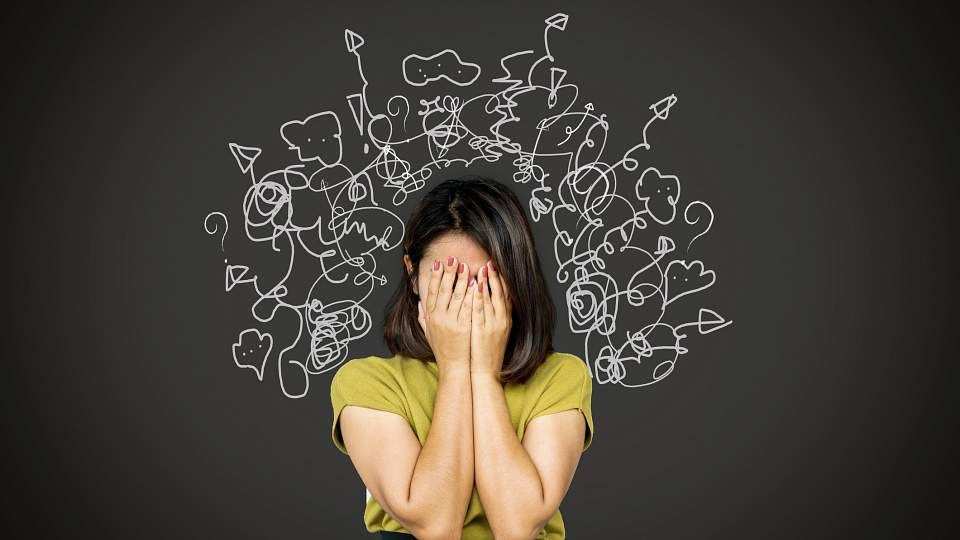
Common types include generalized anxiety disorder, panic disorder, social anxiety disorder, and specific phobias. Each type has distinct features, but all share a core pattern of heightened fear or worry that feels difficult to control.
Importance: Why Anxiety Disorders Matter
Anxiety disorders matter because they are among the most common mental health conditions worldwide and affect people across all age groups. Children, adolescents, adults, and older individuals can experience anxiety-related challenges that influence education, work performance, relationships, and overall quality of life.
Key reasons this topic is important include:
-
Anxiety disorders can significantly affect emotional well-being and physical health.
-
Untreated anxiety may contribute to chronic stress, fatigue, digestive issues, and sleep problems.
-
Anxiety can reduce productivity, concentration, and decision-making ability.
-
Early understanding helps reduce stigma and encourages supportive environments.
Anxiety disorders also intersect with other mental health conditions, such as depression or stress-related disorders. Addressing anxiety supports better mental health awareness and encourages evidence-based coping strategies. Clear information helps individuals recognize symptoms early and seek appropriate guidance, reducing long-term impact.
Recent Updates: Trends and Developments
Recent developments in mental health research have improved understanding of anxiety disorders. Advances in neuroscience have highlighted how brain circuits related to fear and emotion regulation play a role in anxiety patterns. Research has also emphasized the connection between anxiety and lifestyle factors such as sleep quality, digital habits, and long-term stress exposure.
Notable trends include:
-
Increased focus on early screening and self-assessment tools for anxiety symptoms.
-
Greater use of digital mental health platforms for education and symptom tracking.
-
Growing attention to mindfulness-based techniques and cognitive skill-building approaches.
-
Expanded public discussion around mental health normalization and awareness.
There has also been an emphasis on integrating mental health education into schools and workplaces, aiming to reduce stigma and encourage early support. These updates reflect a broader recognition of anxiety disorders as manageable conditions when addressed with informed strategies.
Laws or Policies: Regulatory and Program Influence
Anxiety disorders are influenced by mental health frameworks, public health policies, and healthcare guidelines established by governing bodies and health authorities. These policies typically focus on mental health awareness, patient rights, confidentiality, and access to psychological care.
General policy-related aspects include:
-
Mental health parity principles that emphasize equal importance of mental and physical health.
-
Guidelines for ethical mental health assessment and treatment standards.
-
Public mental health initiatives that promote awareness and early identification.
-
Protections related to workplace accommodations for mental health conditions.
Such frameworks aim to reduce discrimination, support mental health literacy, and ensure that individuals experiencing anxiety disorders are treated with dignity and evidence-based care.
Tools and Resources: Practical Support Options
A wide range of tools and resources can support understanding and management of anxiety disorders. These tools focus on education, self-awareness, and skill development rather than treatment replacement.
Helpful resources include:
-
Anxiety assessment questionnaires for self-reflection
-
Mental health tracking apps for mood and stress patterns
-
Guided relaxation and breathing tools
-
Educational websites offering psychology-based explanations
-
Printable worksheets for cognitive restructuring and journaling
Examples of commonly used resource types
| Resource Type | Purpose | Typical Use |
|---|---|---|
| Symptom trackers | Monitor anxiety patterns | Daily or weekly check-ins |
| Breathing guides | Reduce physical tension | During anxious moments |
| Educational platforms | Build mental health knowledge | Ongoing learning |
| Journaling templates | Identify triggers | Personal reflection |
These tools can complement professional guidance and improve mental health literacy for individuals and caregivers.
Key Facts and Insights About Anxiety Disorders
Understanding anxiety disorders involves recognizing both mental and physical dimensions. Anxiety can influence heart rate, muscle tension, digestion, and sleep. Cognitive symptoms may include excessive worry, racing thoughts, or difficulty focusing.
Common contributing factors
-
Genetic vulnerability
-
Long-term stress exposure
-
Traumatic experiences
-
Learned behavioral responses
-
Environmental pressures
Protective factors
-
Emotional awareness
-
Stress management skills
-
Supportive social connections
-
Healthy routines
-
Access to reliable information
Frequently Asked Questions (FAQs)
What is the difference between normal anxiety and an anxiety disorder?
Normal anxiety is temporary and related to specific situations, while an anxiety disorder involves persistent and excessive fear or worry that interferes with daily functioning.
Can anxiety disorders affect physical health?
Yes, anxiety disorders can influence sleep, digestion, heart rate, and muscle tension. Long-term anxiety may contribute to fatigue and reduced immune response.
Are anxiety disorders common?
Anxiety disorders are among the most commonly reported mental health conditions and affect people of different ages and backgrounds.
Can lifestyle changes help with anxiety symptoms?
Lifestyle factors such as regular sleep, balanced routines, stress reduction practices, and physical activity can support overall emotional balance.
Is anxiety always visible to others?
Not necessarily. Many individuals experience internal symptoms that may not be outwardly noticeable, which is why awareness and understanding are important.
Visual Overview: Anxiety Disorder Components
| Aspect | Examples |
|---|---|
| Emotional | Fear, worry, irritability |
| Cognitive | Overthinking, racing thoughts |
| Physical | Muscle tension, rapid heartbeat |
| Behavioral | Avoidance, restlessness |
This overview highlights how anxiety disorders affect multiple areas of experience simultaneously.
Conclusion
Anxiety disorders are complex yet understandable mental health conditions rooted in the brain’s natural response to perceived threats. They affect emotional, cognitive, physical, and behavioral well-being, making them relevant to individuals, families, educators, and communities. Growing awareness, research progress, and accessible educational tools have improved understanding and reduced stigma around anxiety disorders.
By learning about symptoms, contributing factors, and supportive resources, individuals can better recognize anxiety-related challenges and respond with informed strategies. Clear knowledge empowers people to approach anxiety disorders with empathy, accuracy, and practical insight, supporting healthier conversations around mental well-being.
Disclaimer: The information provided in this article is for informational purposes only. We do not make any claims or guarantees regarding the accuracy, reliability, or completeness of the information presented. The content is not intended as professional advice and should not be relied upon as such. Readers are encouraged to conduct their own research and consult with appropriate professionals before making any decisions based on the information provided in this article