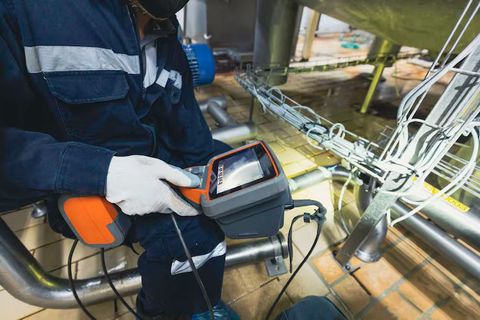
Advanced Tool Room Machinery for Efficient Manufacturing
Tool room machinery refers to a group of precision machines used to create, modify, and maintain tools, molds, dies, and components used in manufacturing. These machines are typically found in specialized environments known as tool rooms, where accuracy and consistency are critical. Common examples include milling machines, lathes, grinders, and advanced CNC systems.
Historically, tool rooms developed alongside industrial growth, especially during the rise of mass production in the 20th century. As industries such as automotive, aerospace, and electronics expanded, the need for precise and repeatable manufacturing increased. Tool room machines became essential for producing high-quality components that meet strict tolerances.
Today, tool room engineering services and modern tool room manufacturing equipment play a central role in producing everything from small mechanical parts to complex industrial assemblies. CNC machining services, in particular, have transformed how parts are designed and produced, allowing for computer-controlled precision and repeatability.
Importance
Tool room machinery is important because it supports the foundation of manufacturing processes. Without precise tools and molds, it would be difficult to produce consistent products at scale. These machines ensure that components fit together correctly, function reliably, and meet quality standards.
Supporting Precision Manufacturing
Modern industries rely heavily on tight tolerances. For example, in electronics or medical devices, even a small deviation can affect performance. Tool room machines help maintain this level of accuracy through controlled machining and finishing processes.
Enabling Mass Production
Mass production depends on repeatability. Once a tool or mold is created using tool room manufacturing equipment, it can be used repeatedly to produce identical items. This reduces variation and improves efficiency across production lines.
Reducing Material Waste
Accurate machining reduces errors and rework. By using CNC machining services and advanced tool room machines, manufacturers can minimize material waste, which is important for both economic and environmental reasons.
Who It Affects
- Manufacturers rely on tool room machinery for production consistency
- Engineers depend on precision tools during design and prototyping
- Consumers indirectly benefit through reliable and durable products
Recent Updates
Recent years have seen significant changes in tool room machinery, especially with the integration of digital technologies and automation.
Increased Use of CNC Systems
CNC machining services have become more widespread due to their ability to automate complex tasks. These systems use computer programming to control machine movements, allowing for high precision and reduced manual intervention.
Integration of Smart Technologies
Many modern tool room machines now include sensors and monitoring systems. These technologies help track performance, detect wear, and improve maintenance planning. This trend aligns with the broader concept of smart manufacturing.
Adoption of Additive Manufacturing
While traditional machining removes material, additive manufacturing builds components layer by layer. Some tool rooms now combine both methods, using additive techniques for prototyping and traditional machines for finishing.
Workforce Skill Shifts
The demand for digital skills has increased. Operators now need to understand programming, machine interfaces, and data analysis in addition to mechanical knowledge.
Laws or Policies
Tool room machinery and related processes are influenced by various regulations and standards, particularly in industrial and manufacturing sectors.
Safety Regulations
Governments enforce workplace safety rules to reduce accidents. These regulations require proper machine guarding, operator training, and regular inspections. In India, for example, the Factories Act outlines safety requirements for industrial environments.
Quality Standards
Manufacturers often follow international standards such as ISO certifications. These standards ensure that products meet consistent quality benchmarks and that processes are well-documented.
Environmental Guidelines
Environmental policies encourage efficient use of resources and proper waste management. Tool room manufacturing equipment must comply with guidelines related to emissions, energy use, and disposal of materials.
Digital Compliance
With the rise of CNC machining services and digital systems, data security and software compliance have become relevant. Organizations must ensure that software used in machining processes meets regulatory requirements.
Tools and Resources
Various tools and platforms support the effective use of tool room machinery and related processes.
Design Software
Computer-aided design (CAD) software is used to create detailed models of components. These designs are then translated into instructions for CNC machines.
Simulation Tools
Simulation platforms allow users to test machining processes virtually. This helps identify potential issues before actual production begins.
Measurement Instruments
Precision measurement tools such as calipers, micrometers, and coordinate measuring machines (CMM) are essential for verifying dimensions and tolerances.
Training Platforms
Online learning platforms provide courses on machining, programming, and tool room engineering services. These resources help individuals understand modern manufacturing techniques.
Example of Common Tool Room Machines
| Machine Type | Primary Function | Typical Use Case |
|---|---|---|
| Lathe | Rotates material for cutting | Cylindrical components |
| Milling Machine | Removes material using rotating tool | Complex shapes and surfaces |
| Surface Grinder | Produces smooth finishes | Finishing operations |
| CNC Machine | Automated precision machining | High-volume production |
| Drill Press | Creates holes in materials | Basic fabrication tasks |
FAQs
What is tool room machinery and where is it used?
Tool room machinery includes precision machines used to create and maintain tools, molds, and components. These machines are commonly used in manufacturing industries such as automotive, aerospace, and electronics.
How do tool room machines differ from regular machines?
Tool room machines are designed for higher precision and finer tolerances compared to general-purpose machines. They are often used for detailed work, prototyping, and tool making.
What are tool room engineering services?
Tool room engineering services involve the design, development, and maintenance of tools and components used in manufacturing. These activities often include machining, inspection, and process planning.
How do CNC machining services improve manufacturing?
CNC machining services use computer-controlled systems to automate machining tasks. This improves accuracy, consistency, and efficiency while reducing manual errors.
What types of tool room manufacturing equipment are commonly used?
Common equipment includes lathes, milling machines, grinders, and CNC systems. Each type of machine serves a specific purpose in shaping and finishing materials.
Conclusion
Tool room machinery forms the backbone of modern manufacturing by enabling precise and consistent production. Advances in CNC machining services and digital technologies have expanded capabilities and improved efficiency. Regulations and standards help maintain safety and quality across industries. As manufacturing continues to evolve, tool room machines and related processes remain essential for producing reliable components.