A Guide to Camping & Trekking Kit Rentals: Information, Facts, Suggestions, and Helpful Insights
Camping and trekking are popular outdoor activities that allow individuals to explore nature, travel through remote landscapes, and experience wilderness environments. Preparing for these activities usually requires specialized gear such as tents, backpacks, sleeping bags, trekking poles, and navigation tools. Because this equipment may only be used occasionally, many outdoor enthusiasts rely on camping and trekking kit rental systems that provide temporary access to essential gear.
Camping and trekking kit rentals refer to structured systems where outdoor equipment can be accessed for short-term use. These systems are designed to help travelers, hikers, and explorers obtain necessary gear without maintaining a permanent personal collection. The concept developed as outdoor tourism expanded and more people began participating in adventure activities.
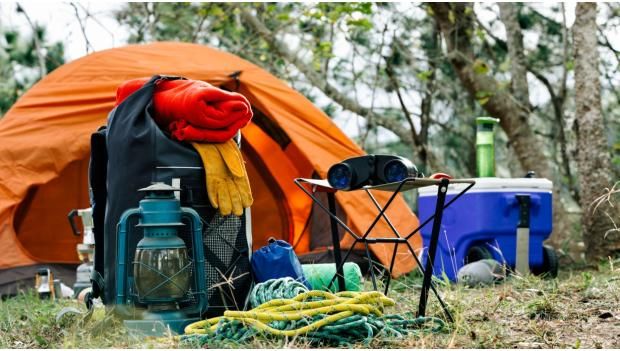
The growth of trekking trails, national parks, mountain expeditions, and eco-tourism programs has increased the need for reliable outdoor equipment access. Rental systems allow individuals to experience camping and trekking without investing in extensive equipment storage or maintenance. As a result, the topic has become increasingly relevant within outdoor recreation, environmental tourism, and adventure planning.
Why Camping & Trekking Kit Rentals Matter in Modern Outdoor Recreation
Outdoor recreation has grown significantly in recent years as people look for nature-based experiences and physical activities. Camping and trekking provide opportunities for exploration, environmental appreciation, and personal fitness. However, these activities require technical equipment that ensures safety and comfort in outdoor environments.
Camping and trekking kit rental systems help address several practical challenges:
• Access to specialized outdoor gear for beginners
• Reduced equipment storage requirements
• Easier participation in trekking expeditions
• Lower environmental impact from unused equipment
• Increased accessibility for occasional travelers
For first-time trekkers, choosing appropriate equipment can be confusing. Rental systems often include curated kits containing essential items, which helps simplify preparation for outdoor trips. These kits may include items such as:
| Equipment Category | Example Items | Purpose |
|---|---|---|
| Shelter Equipment | Tents, ground sheets | Protection from weather |
| Sleeping Gear | Sleeping bags, sleeping pads | Thermal insulation and comfort |
| Navigation Tools | Compass, GPS devices, maps | Route guidance |
| Cooking Equipment | Portable stoves, utensils | Outdoor meal preparation |
| Trekking Support Gear | Trekking poles, backpacks | Mobility and load management |
These systems also support sustainability efforts. Instead of manufacturing large volumes of rarely used equipment, shared access models allow gear to be reused across many outdoor trips.
Trends and Developments in Outdoor Gear Access
Outdoor recreation industries continue to evolve as technology and environmental awareness shape how people prepare for wilderness travel. Several trends have influenced the way camping and trekking equipment is accessed and managed.
One major development is the integration of digital platforms that help outdoor travelers locate equipment, review gear specifications, and plan trips more efficiently. Many platforms now include equipment checklists, gear comparison tools, and educational resources for outdoor safety.
Another notable trend is the increasing popularity of lightweight trekking gear. Advances in materials such as ultralight aluminum alloys, high-strength fabrics, and compact insulation technology have made camping equipment easier to carry on long-distance trails.
A simplified representation of outdoor equipment trends can be illustrated below.
| Trend | Description | Impact on Trekkers |
|---|---|---|
| Lightweight Gear | Use of advanced materials | Easier long-distance trekking |
| Digital Planning Tools | Apps for route and gear planning | Improved trip preparation |
| Sustainable Equipment | Durable and reusable gear | Lower environmental impact |
| Modular Gear Kits | Pre-arranged equipment sets | Simplified trekking preparation |
Environmental awareness has also influenced gear design. Many manufacturers now focus on durable equipment that can withstand repeated outdoor use, reducing waste and extending product life cycles.
Regulations and Outdoor Activity Guidelines
Camping and trekking activities often take place in protected natural areas such as forests, mountains, and wildlife reserves. Because of this, outdoor recreation is usually guided by environmental regulations and safety guidelines established by land management authorities.
Several regulatory aspects influence the use of camping and trekking equipment:
• Wilderness conservation policies that limit environmental damage
• Camping permits required for certain trekking zones
• Safety guidelines for mountain or forest expeditions
• Equipment standards for climbing and trekking safety
These policies are designed to protect natural ecosystems while ensuring that outdoor travelers remain safe during expeditions.
For example, many protected landscapes follow principles similar to “Leave No Trace” outdoor ethics. These guidelines encourage responsible camping practices, including:
• Minimizing waste and litter
• Avoiding damage to vegetation
• Using designated camping zones
• Respecting wildlife habitats
Outdoor safety regulations may also recommend specific gear standards for trekking in challenging terrain. Navigation tools, weather-resistant shelters, and adequate clothing layers are often considered essential components of safe trekking preparation.
Useful Tools, Apps, and Resources for Trekking Preparation
Preparing for a trekking or camping expedition requires planning and reliable information. Several tools and resources help outdoor travelers organize their equipment and navigate natural environments effectively.
Popular types of trekking tools include navigation apps, equipment checklists, and weather monitoring platforms.
Some commonly used outdoor preparation resources include:
• AllTrails – Trail discovery and navigation platform with detailed route maps
• Komoot – Route planning tool for hiking and trekking adventures
• Gaia GPS – GPS navigation with offline maps for remote areas
• Outdoor Gear Checklists – Printable templates for trekking equipment planning
• Weather Forecast Platforms – Tools for monitoring mountain and wilderness weather conditions
Digital route planning tools have significantly improved trekking safety by providing topographic maps and real-time navigation assistance. These tools allow hikers to analyze elevation profiles, distance estimates, and terrain difficulty before starting an expedition.
A simple example of trekking preparation stages can be visualized below.
| Trekking Preparation Stage | Key Actions |
|---|---|
| Planning | Choose destination, review trail information |
| Equipment Selection | Prepare tents, backpacks, sleeping gear |
| Navigation Setup | Download maps or GPS routes |
| Weather Monitoring | Check forecasts and seasonal conditions |
| Safety Preparation | Inform others about trekking itinerary |
Using structured preparation tools helps reduce risks associated with remote outdoor travel.
Frequently Asked Questions About Camping & Trekking Kit Rentals
What is included in a typical camping and trekking kit?
A typical camping and trekking kit may include a tent, sleeping bag, backpack, cooking equipment, lighting tools, and navigation devices. Some kits also contain trekking poles, ground sheets, and portable water filtration tools depending on the nature of the expedition.
Why do people use camping and trekking kit rentals?
Many outdoor enthusiasts use rental systems because trekking gear is specialized and may only be needed occasionally. Shared equipment access allows people to participate in camping or trekking activities without maintaining extensive personal equipment collections.
Is specialized equipment necessary for trekking?
Yes, trekking often involves long distances, uneven terrain, and variable weather conditions. Proper equipment such as supportive backpacks, weather-resistant tents, and reliable navigation tools helps ensure safety and comfort during outdoor journeys.
How do trekking preparation tools help hikers?
Digital tools and planning resources provide route information, terrain maps, and weather updates. These resources help trekkers prepare effectively by identifying trail difficulty, estimating travel time, and planning appropriate equipment.
What safety considerations are important during camping trips?
Key safety considerations include checking weather forecasts, carrying navigation tools, maintaining hydration, using appropriate clothing layers, and understanding local environmental guidelines. Proper preparation helps reduce risks in remote outdoor areas.
Conclusion
Camping and trekking continue to attract individuals seeking outdoor exploration, physical activity, and nature-based experiences. These activities require reliable equipment that supports safety, comfort, and effective navigation in wilderness environments.
Camping and trekking kit rental systems have developed as practical solutions for outdoor enthusiasts who need access to specialized gear without maintaining permanent equipment collections. By providing structured access to tents, backpacks, sleeping systems, and navigation tools, these systems support broader participation in adventure travel.
At the same time, modern outdoor recreation is increasingly shaped by sustainability efforts, technological innovations, and environmental guidelines. Digital planning tools, lightweight equipment materials, and responsible camping practices have all contributed to safer and more accessible trekking experiences.