A Complete Guide to Weighbridges: Overview, Facts, and Practical Knowledge
A weighbridge is a large industrial weighing system designed to measure the weight of heavy vehicles such as trucks, trailers, and construction transport units. These systems are typically installed at logistics hubs, mining sites, manufacturing plants, agricultural centers, and waste management facilities where accurate weight measurement is essential for operational transparency.
At its core, a weighbridge functions by allowing a loaded vehicle to drive onto a platform connected to electronic load cells. These sensors capture the force exerted by the vehicle’s weight and convert it into a digital measurement displayed on a control terminal or monitoring software. This simple but powerful concept helps organizations verify vehicle weight, track materials, and maintain operational records.
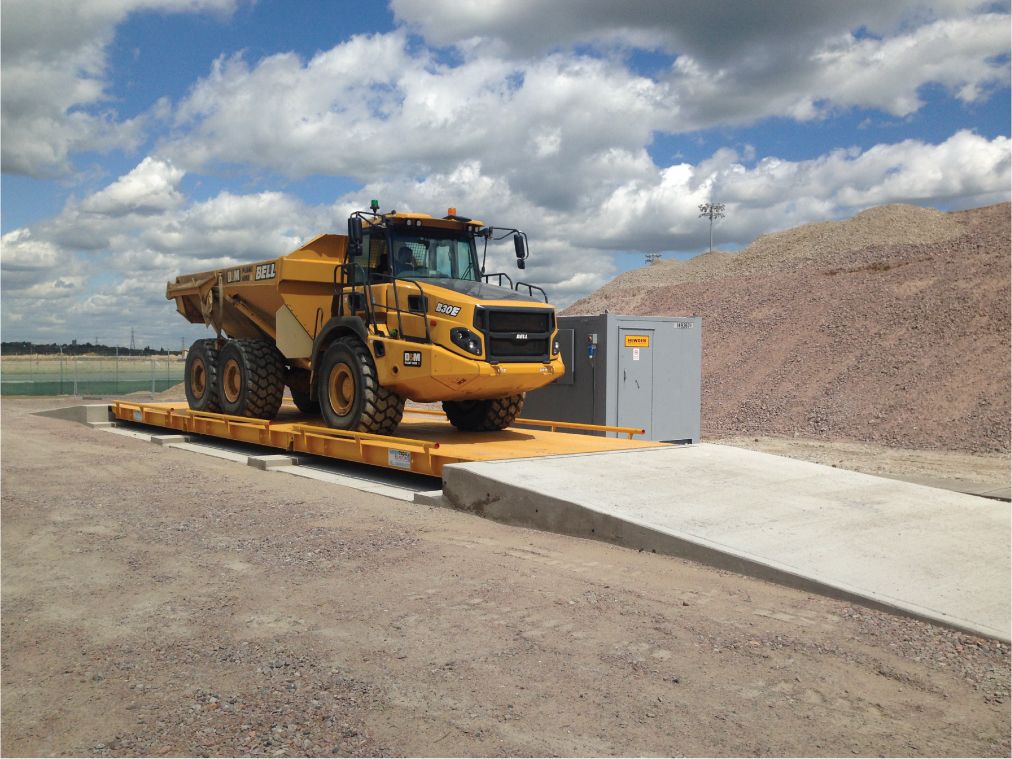
The development of weighbridge technology emerged from the need to manage large volumes of goods moving through industrial supply chains. In sectors such as transportation, mining, agriculture, and construction, materials are frequently traded, transported, and recorded by weight. Without a reliable measurement system, maintaining fairness, accountability, and regulatory compliance becomes difficult.
Early weighbridges relied on mechanical levers and analog dial indicators. Over time, digital electronics, automation, and software integration improved accuracy and efficiency. Modern systems can automatically record vehicle numbers, store weight data, and integrate with enterprise resource planning platforms.
In everyday industrial practice, weighbridges serve as a checkpoint between the physical movement of goods and the digital recording of logistics data. They help organizations maintain consistent records while ensuring vehicles operate within permissible weight limits.
Why Weighbridges Matter in Modern Infrastructure
Weighbridge systems play a significant role in industrial operations and transport infrastructure. Accurate vehicle weighing helps maintain efficiency, safety, and accountability across many sectors.
Several industries rely on weighbridge systems to manage material flow and verify transport weight.
| Industry | Typical Use of Weighbridges |
|---|---|
| Logistics & Transportation | Monitoring truck weight before highway travel |
| Mining & Quarrying | Measuring extracted minerals and aggregates |
| Agriculture | Recording grain, produce, or fertilizer loads |
| Construction | Tracking sand, cement, and aggregate transport |
| Waste Management | Measuring landfill or recycling material loads |
One major reason weighbridges are important is vehicle safety. Overloaded trucks can create road hazards by increasing braking distance, damaging infrastructure, and raising the risk of accidents. By verifying weight before vehicles enter transport networks, organizations can help reduce these risks.
Another important role of weighbridges is data management. In large supply chains, materials are constantly entering and leaving facilities. Weight data helps companies track inventory, maintain records, and analyze logistics efficiency.
Environmental management also benefits from accurate weight measurement. Waste processing facilities use weighbridges to track incoming waste volumes, helping maintain environmental reporting and compliance with waste tracking systems.
In agriculture and commodity trading, weight verification ensures transparency between suppliers, transporters, and processing facilities. This helps maintain fairness and accurate documentation across supply chains.
Because of these roles, weighbridges often function as an operational control point where physical logistics and digital information systems meet.
Trends and Developments in Weighbridge Technology
Recent years have seen steady technological progress in weighbridge systems, largely driven by digital transformation and automation within industrial infrastructure.
One noticeable development has been the adoption of fully digital load cell technology. These sensors provide improved accuracy and resistance to environmental interference such as temperature variation or electrical noise. Digital load cells also simplify calibration and diagnostic monitoring.
Automation has also become increasingly common. Modern weighbridge installations often include features such as:
-
Automatic vehicle identification through RFID tags
-
License plate recognition using camera systems
-
Remote monitoring dashboards
-
Automated ticket generation and reporting
-
Integration with logistics software platforms
These features allow facilities to record weight data without requiring manual input from operators, reducing human error and improving operational efficiency.
Another development is the use of cloud-based data storage and analytics platforms. Weight data collected at weighbridges can now be transmitted in real time to central systems where managers can analyze logistics performance, detect anomalies, and generate reports.
Some organizations are also experimenting with unattended weighbridge systems. In these setups, drivers interact with automated terminals and sensors without requiring on-site personnel. This approach supports 24-hour operation while maintaining consistent record keeping.
Environmental durability has also improved. Manufacturers are designing weighbridges with corrosion-resistant materials, improved drainage systems, and modular components that simplify maintenance.
These technological updates reflect a broader shift toward connected industrial infrastructure where measurement systems contribute data to larger digital ecosystems.
Regulations and Standards Affecting Weighbridge Use
Weight measurement systems are typically governed by metrology regulations and transportation standards that ensure fairness and accuracy in industrial measurements.
These regulations generally require that weighbridge equipment be periodically inspected, tested, and calibrated by certified authorities or technicians. Calibration ensures that weight measurements remain accurate within accepted tolerance limits.
In many regions, weighbridge installations must comply with measurement standards defined by national or international metrology organizations. These standards often specify acceptable measurement accuracy, system verification procedures, and record-keeping requirements.
Transport regulations may also reference weighbridge measurements when enforcing vehicle weight limits on public infrastructure. Overloaded vehicles can accelerate road deterioration and increase safety risks, which is why many transportation networks include weight monitoring systems.
Facilities that use weighbridges for commercial measurement must often maintain documented records of weight transactions. These records help ensure transparency and accountability in industries where goods are traded by weight.
Environmental management programs may also rely on weighbridge data. Waste processing facilities, recycling plants, and landfill sites frequently record incoming material weights to support environmental monitoring and reporting frameworks.
Although regulatory frameworks differ between regions, the general principle remains consistent: weight measurement systems must operate with accuracy, reliability, and traceability.
Tools, Software, and Helpful Resources
Modern weighbridge operations often rely on a combination of hardware systems and digital tools to manage weight data effectively.
Several types of software platforms support weighbridge operations.
| Tool Type | Purpose |
|---|---|
| Weighbridge Management Software | Records vehicle weight and transaction data |
| Logistics Data Platforms | Integrates weight data with supply chain records |
| Calibration Tools | Helps technicians verify sensor accuracy |
| RFID Vehicle Identification Systems | Automates vehicle tracking |
| License Plate Recognition Systems | Records vehicle identification automatically |
In addition to specialized software, some facilities use digital dashboards and analytics platforms to visualize weight data over time. These tools help operators identify trends such as increasing vehicle loads or irregular transport patterns.
Mobile inspection applications are also used by technicians performing equipment maintenance and calibration checks. These apps help maintain digital records of service activities and compliance verification.
Educational resources related to weighbridge systems can be found through engineering publications, industrial measurement guidelines, and technical documentation produced by metrology organizations.
Templates for weight transaction records, calibration logs, and inspection reports are also commonly used by facilities to maintain consistent documentation practices.
Together, these tools support accurate measurement, data transparency, and operational efficiency.
Frequently Asked Questions About Weighbridges
What is the main purpose of a weighbridge?
The primary purpose of a weighbridge is to measure the weight of heavy vehicles and their cargo. This measurement helps verify transport loads, maintain accurate records, and support compliance with vehicle weight regulations.
How accurate are modern weighbridge systems?
Modern weighbridge systems are designed to provide highly precise measurements when properly installed and calibrated. Digital load cell technology and automated monitoring systems help maintain measurement accuracy within defined tolerance levels.
Where are weighbridges commonly used?
Weighbridges are commonly used in industries such as logistics, mining, agriculture, manufacturing, construction, and waste management. Any facility that handles large quantities of materials transported by vehicle may rely on weighbridge systems.
How is a weighbridge calibrated?
Calibration typically involves placing certified test weights or reference vehicles on the weighbridge platform to verify measurement accuracy. Technicians adjust system settings until the recorded weight matches the known reference weight within acceptable limits.
Can weighbridges connect to digital management systems?
Yes. Many modern weighbridges integrate with digital management platforms that record transaction data, generate reports, and connect with logistics or enterprise resource planning systems.
Conclusion
Weighbridges are a critical component of modern industrial infrastructure. By providing accurate vehicle weight measurement, they support logistics management, infrastructure protection, and transparent material tracking across numerous industries.
From mining operations to agricultural supply chains, these systems act as an essential checkpoint between physical transportation and digital record keeping. Their role extends beyond simple measurement, contributing to safety management, operational efficiency, and environmental monitoring.
Advances in digital technology, automation, and data integration continue to shape how weighbridges operate within connected industrial systems. Features such as automated identification, cloud data storage, and remote monitoring are transforming traditional weighing systems into intelligent measurement platforms.