A Complete Guide to Modern Mining Equipment and Techniques
Mining has been a part of human activity for thousands of years, evolving from simple manual extraction to highly mechanized operations. Today, mining equipment plays a central role in extracting minerals, metals, and other geological materials used in construction, energy production, and manufacturing. As demand for natural resources has increased, so has the need for efficient and safer extraction methods.
Modern mining operations generally fall into two categories: underground mining and surface mining. Each approach requires specialized machinery designed for specific conditions. Underground mining equipment is used to access minerals beneath the earth’s surface through tunnels and shafts, while open pit mining equipment and surface mining equipment are designed for extracting resources from exposed or near-surface deposits.
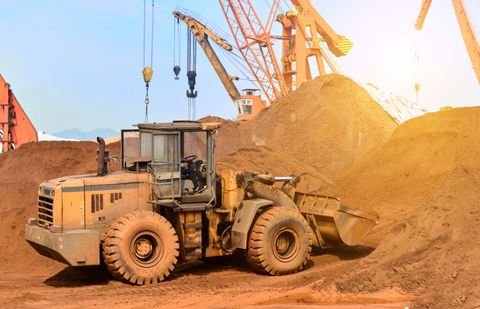
Advancements in engineering, automation, and environmental awareness have shaped the development of mining machinery. Equipment such as mining excavators and dragline excavator mining systems are now capable of handling large volumes of material with improved precision and reduced environmental impact.
Importance
Mining remains essential to modern society because it provides raw materials for infrastructure, electronics, transportation, and energy systems. Without mining equipment, large-scale extraction would be inefficient and unsafe. The topic is important because it affects industries, economies, and communities worldwide.
Efficient mining equipment helps address several challenges:
- Resource demand: Growing populations and industrial activities require steady access to minerals like iron, copper, and coal.
- Worker safety: Modern machines reduce the need for manual labor in hazardous environments.
- Environmental management: Advanced equipment can limit land disturbance and improve waste handling.
- Productivity: Mechanized systems increase output while reducing time and operational strain.
For everyday people, mining influences the availability and affordability of materials used in housing, transportation, and technology. Understanding how mining equipment works provides insight into how these essential resources are obtained.
Recent Updates
The period from 2024 to 2026 has seen several developments in mining technology and equipment design. These updates focus on sustainability, automation, and digital integration.
Automation and Remote Operation
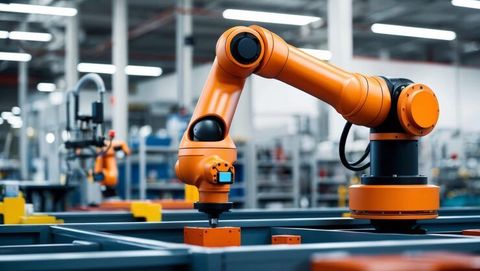
Many mining operations now use semi-autonomous or fully autonomous equipment. Mining excavators and haul trucks are increasingly controlled through remote systems, reducing risks for workers in hazardous zones. Sensors and artificial intelligence help machines navigate terrain and optimize digging patterns.
Electrification of Equipment
A shift toward electric-powered machinery is becoming more visible. Electric underground mining equipment reduces emissions within confined spaces, improving air quality and reducing reliance on ventilation systems. Battery-powered vehicles are also being tested in surface mining environments.
Data-Driven Operations
Digital tools now play a larger role in managing mining activities. Real-time monitoring systems collect data on equipment performance, fuel usage, and material output. This information helps operators make informed decisions and improve efficiency.
Larger and More Efficient Machines
Equipment such as dragline excavator mining systems continues to grow in size and capability. These machines can move massive amounts of overburden (the soil and rock covering valuable minerals), making them essential in large-scale open pit mining operations.
Laws or Policies
Mining activities are regulated by national and regional authorities to ensure safety, environmental protection, and responsible resource use. In India, mining operations are governed by several key laws and policies.
Regulatory Framework
The Mines and Minerals (Development and Regulation) Act is the primary legislation overseeing mineral extraction. It defines how licenses are granted and sets rules for exploration and production. Environmental regulations also require mining companies to conduct impact assessments before starting operations.
Safety Standards
The Directorate General of Mines Safety establishes guidelines for worker safety and equipment usage. These rules ensure that underground mining equipment and surface mining equipment meet operational standards designed to reduce accidents.
Environmental Policies
Mining projects must comply with environmental clearance processes. These include measures for land restoration, water management, and waste disposal. Equipment selection often reflects these requirements, as newer machines are designed to reduce emissions and minimize environmental impact.
Technology and Compliance
Recent policy trends encourage the use of modern technology for monitoring and reporting. Digital tracking systems and automated reporting tools are increasingly used to ensure compliance with regulations.
Tools and Resources
A variety of tools and platforms support the use and management of mining equipment. These resources help improve planning, efficiency, and safety.
Equipment Management Software
Digital platforms are used to track equipment performance and maintenance schedules. These tools provide insights into fuel consumption, wear and tear, and operational efficiency.
Geological Mapping Tools
Software applications assist in mapping mineral deposits and planning extraction strategies. These tools help determine whether underground mining equipment or open pit mining equipment is more suitable for a particular site.
Simulation and Training Platforms
Virtual simulation tools allow operators to practice using mining excavators and other machinery in a controlled environment. This improves skill development and reduces the likelihood of errors in real-world operations.
Common Types of Mining Equipment
The following table provides an overview of commonly used mining equipment and their functions:
| Equipment Type | Application Area | Primary Function |
|---|---|---|
| Mining excavators | Surface mining | Digging and loading materials |
| Dragline excavator mining | Open pit mining | Removing overburden at large scale |
| Continuous miners | Underground mining | Cutting and gathering material |
| Shuttle cars | Underground mining | Transporting mined material |
| Haul trucks | Surface mining | Moving large quantities of material |
| Drilling rigs | Both types | Creating holes for blasting or sampling |
Categories of Mining Equipment
Mining equipment can broadly be divided into three categories:
- Underground mining equipment: Includes machines such as continuous miners, roof bolters, and shuttle cars designed for confined spaces.
- Open pit mining equipment: Includes draglines, large excavators, and haul trucks used in surface-level extraction.
- Surface mining equipment: A broader category that includes machines for quarrying, strip mining, and open pit operations.
FAQs
What is mining equipment and why is it important?
Mining equipment refers to machines used to extract minerals and materials from the earth. It is important because it increases efficiency, improves safety, and enables large-scale resource extraction.
What is the difference between underground mining equipment and surface mining equipment?
Underground mining equipment is designed for use below the earth’s surface in tunnels and shafts, while surface mining equipment operates on exposed deposits. Each type is built to handle different environmental and operational conditions.
How do mining excavators work?
Mining excavators are heavy machines used to dig and load materials. They use hydraulic systems to move large buckets, allowing them to handle soil, rock, and ore efficiently in surface mining operations.
What is dragline excavator mining used for?
Dragline excavator mining is commonly used in open pit mining to remove overburden. These machines use a large bucket suspended from a boom to scoop and move material over long distances.
What factors determine the choice of open pit mining equipment?
The choice of open pit mining equipment depends on factors such as the type of mineral, depth of the deposit, terrain, and production requirements. Environmental considerations and regulatory compliance also influence equipment selection.
Conclusion
Modern mining equipment and techniques have transformed how resources are extracted from the earth. From underground mining equipment to large-scale open pit mining equipment, each type serves a specific purpose in different environments. Advances in automation, electrification, and data systems continue to shape the industry. Understanding these tools and methods helps explain how essential materials are sourced for everyday use.