A Complete Guide to Industrial Noise Control Systems: Overview, Explanation, and Insights
Industrial Noise Control Systems refer to a group of engineering methods, materials, and practices designed to reduce unwanted sound generated by industrial operations. These systems exist because modern industries rely heavily on machinery, equipment, and processes that naturally produce high sound levels during operation.
Noise in industrial environments is not just a byproduct of productivity. It is a physical phenomenon caused by vibration, air movement, mechanical impact, and energy transfer. Over time, uncontrolled noise became a recognized concern as industries expanded, factories grew larger, and workplaces became more mechanized. To address this, structured noise control approaches were developed to manage sound at its source, along its transmission path, or at the receiver.
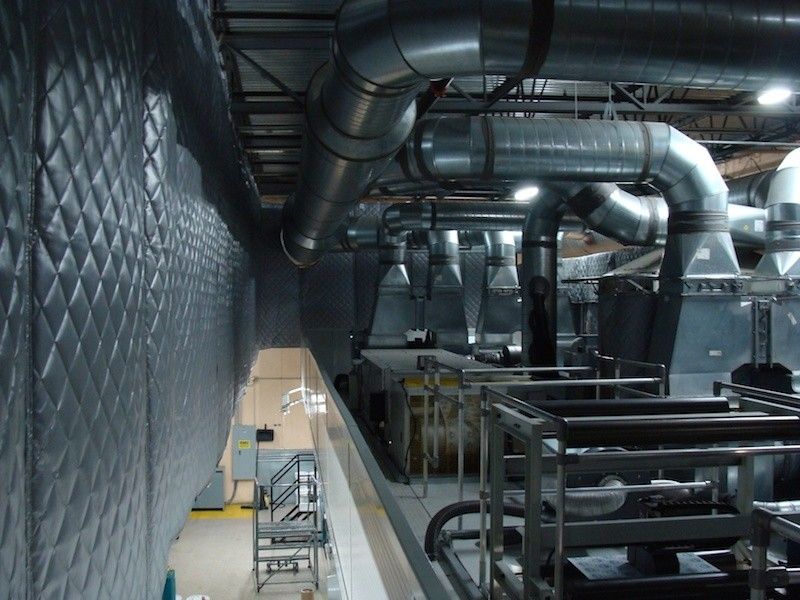
Industrial noise control is not about eliminating sound entirely. Instead, it focuses on reducing noise to acceptable levels so that operations remain efficient while environments remain safer, more compliant, and more comfortable for people working nearby.
Importance
Industrial noise control matters because noise directly affects human health, operational efficiency, and environmental quality. Prolonged exposure to high noise levels can lead to hearing fatigue, reduced concentration, stress, and communication difficulties within industrial facilities.
This topic affects multiple groups, including:
-
Workers operating or working near machinery
-
Facility managers responsible for safe operations
-
Communities located near industrial zones
-
Engineers and planners designing industrial layouts
Noise control systems help solve several practical problems:
-
Reduction of excessive machine noise
-
Improvement of workplace communication
-
Support for occupational safety standards
-
Minimization of noise impact on surrounding areas
From a broader perspective, effective noise control contributes to sustainable industrial development. By managing sound responsibly, industries can operate alongside residential and commercial zones with fewer disruptions.
Recent Updates
In recent developments, industrial noise control has seen gradual advancements driven by material science, digital monitoring, and system integration. One notable trend is the increased use of predictive noise modeling tools. These tools allow engineers to simulate noise behavior during the design phase rather than reacting after installation.
Another update is the growing adoption of modular acoustic systems. These systems are designed to be flexible, allowing noise control solutions to adapt when machinery layouts change. Smart sensors are also being used to monitor sound levels continuously, helping facilities identify abnormal noise patterns early.
There has also been increased focus on low-profile and lightweight acoustic materials. These materials aim to provide effective sound absorption without adding excessive structural load or occupying valuable floor space. Together, these trends indicate a shift toward more efficient, data-informed, and adaptable noise control practices.
Laws or Policies
Industrial noise control systems are influenced by occupational safety regulations and environmental noise guidelines. These rules generally define acceptable noise exposure limits for workplaces and outline responsibilities for noise management.
Regulatory frameworks often require:
-
Regular noise level assessments
-
Implementation of engineering controls before administrative measures
-
Documentation of noise mitigation strategies
While specific limits and enforcement mechanisms vary by jurisdiction, the overall policy direction emphasizes prevention, monitoring, and continuous improvement. Noise control systems play a key role in helping industries align with these regulatory expectations without disrupting productivity.
Tools and Resources
Several tools and resources support the planning, implementation, and evaluation of industrial noise control systems. These resources help professionals make informed decisions based on measurable data rather than assumptions.
Commonly used tools include:
-
Sound level meters for measuring workplace noise
-
Noise mapping software for visualizing sound distribution
-
Vibration analyzers to identify noise sources
-
Acoustic simulation programs for design-stage analysis
Useful resources also include:
-
Technical handbooks on industrial acoustics
-
Online noise calculators for estimating exposure duration
-
Templates for noise assessment reports
-
Reference databases for acoustic material performance
Below is a simplified table showing common noise control methods and their primary purpose:
| Noise Control Method | Primary Function | Typical Application |
|---|---|---|
| Acoustic Enclosures | Isolate noise source | Large machinery |
| Absorptive Panels | Reduce sound reflection | Factory walls |
| Noise Barriers | Block sound transmission | Plant boundaries |
| Silencers | Lower airflow noise | Ducts and vents |
FAQs
What is the main goal of industrial noise control systems?
The main goal is to reduce excessive sound levels to protect human health, improve communication, and support safe and efficient industrial operations.
Do noise control systems affect machine performance?
When properly designed, these systems do not interfere with machine function. In many cases, they help improve operational stability by reducing vibration-related issues.
How is industrial noise usually measured?
Noise is commonly measured using sound level meters that record sound pressure levels over time. Measurements are often taken at multiple locations to understand exposure patterns.
Are noise control systems only used inside factories?
No. They are also used outdoors, such as around generators, compressors, and along facility boundaries, to limit sound transmission to nearby areas.
Can noise control be planned during the design stage?
Yes. Early-stage planning allows engineers to integrate noise control into layouts, materials, and equipment selection, which is often more effective than retrofitting later.
Conclusion
Industrial Noise Control Systems play a crucial role in balancing productivity with safety and environmental responsibility. They exist because sound, when unmanaged, becomes a barrier to healthy work environments and sustainable industrial growth.
By understanding why noise control matters, how it has evolved, and which tools support it, organizations and professionals can approach industrial sound management in a structured and informed way. Rather than treating noise as an unavoidable byproduct, modern practices recognize it as a controllable factor that can be addressed through thoughtful design, monitoring, and continuous improvement.