A Complete Guide to Electric Delivery Vehicles: Tips, Details, and Information
Electric delivery vehicles are commercial transport vehicles powered primarily by electric motors and rechargeable energy storage systems rather than conventional combustion engines. These vehicles are designed for transporting goods in urban and regional distribution networks, especially in the “last-mile delivery” segment where packages move from distribution hubs to customers.
The concept exists because logistics and transportation sectors face increasing challenges related to air pollution, noise levels, and fuel efficiency in densely populated areas. Electric delivery vehicles address these concerns by offering quieter operation and eliminating direct exhaust emissions during operation.
In modern supply chains, delivery vehicles operate continuously within cities, industrial parks, and residential zones. Electric propulsion helps make this activity more environmentally responsible while supporting efficient distribution. As e-commerce, local delivery services, and urban logistics expand, electric delivery vehicles are becoming an important part of sustainable transportation systems.
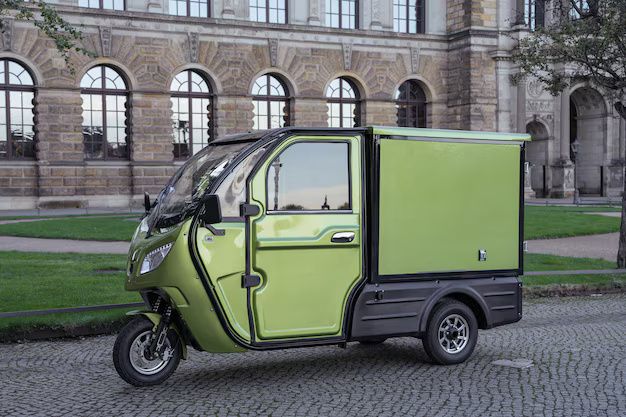
Importance: Why Electric Delivery Vehicles Matter Today
Electric delivery vehicles play a key role in shaping the future of transportation and logistics. Their growing importance is linked to environmental goals, energy efficiency, and evolving consumer expectations.
Key reasons this topic matters today include:
-
Urban air quality improvement: Electric propulsion eliminates tailpipe emissions during use
-
Noise reduction: Electric motors produce less operational noise than traditional engines
-
Energy efficiency: Electric drivetrains convert energy more efficiently into motion
-
Sustainable logistics: Supports environmentally responsible distribution networks
-
Operational reliability: Electric power systems have fewer moving components compared with combustion engines
These vehicles affect logistics companies, municipal planners, warehouse operators, delivery personnel, and environmental policymakers. They help address challenges such as pollution in urban areas, rising fuel consumption, and growing demand for efficient delivery services.
Recent Updates and Trends (2024–2025)
The electric delivery vehicle sector has experienced rapid development in the past year due to improvements in battery technology, logistics planning systems, and infrastructure expansion.
| Year | Development | Impact on Logistics |
|---|---|---|
| 2024 | Expansion of electric fleet programs in urban logistics | Increased adoption in last-mile delivery operations |
| 2024 | Higher energy density battery packs | Longer operational range for delivery routes |
| Early 2025 | Fast-charging infrastructure expansion | Reduced downtime between delivery cycles |
| Mid-2025 | Integration with route-optimization systems | Improved efficiency in distribution planning |
Industry reports released in late 2024 highlighted that many logistics companies began transitioning portions of their fleets toward electric vehicles to meet sustainability goals and regulatory expectations.
Laws and Policies Affecting Electric Delivery Vehicles
Government regulations and transportation policies significantly influence the adoption and development of electric delivery vehicles. Many countries have introduced programs encouraging the transition toward cleaner transportation technologies.
Examples of policy influences include:
-
Emission reduction programs encouraging low-emission commercial vehicles
-
Urban clean transport initiatives promoting electric mobility in city centers
-
Charging infrastructure development programs supporting wider deployment
-
Vehicle efficiency standards encouraging reduced environmental impact
In India, for example, national programs such as the FAME India Scheme support the broader adoption of electric mobility technologies by encouraging infrastructure growth and technological development.
Policies like these aim to accelerate the transition to electric transportation systems while supporting industry innovation and environmental sustainability.
Tools and Resources for Understanding Electric Delivery Vehicles
Several resources help logistics professionals, researchers, and students understand electric delivery technology and plan effective operations.
Useful tools and informational resources include:
-
Route planning platforms that analyze delivery distances and charging availability
-
Energy consumption calculators for estimating vehicle energy use per route
-
Charging infrastructure maps showing public charging stations
-
Fleet management dashboards for monitoring vehicle performance
-
Transportation research databases providing studies on electric mobility
These tools allow organizations to better evaluate operational efficiency, plan delivery schedules, and understand energy requirements in real-world logistics scenarios.
Operational Insights: How Electric Delivery Vehicles Work
Electric delivery vehicles rely on several integrated systems that convert stored electrical energy into vehicle movement.
Key components include:
-
Electric drive motor: Provides propulsion to the wheels
-
Battery system: Stores electrical energy used during operation
-
Power control electronics: Manage energy flow between battery and motor
-
Regenerative braking: Recovers energy during deceleration
-
Charging interface: Connects the vehicle to charging infrastructure
Together, these systems enable smooth acceleration, efficient energy use, and reliable delivery operations within urban environments.
Frequently Asked Questions
What distinguishes electric delivery vehicles from traditional delivery vans?
Electric delivery vehicles use electric motors and rechargeable batteries instead of combustion engines, resulting in quieter operation and zero tailpipe emissions during use.
Are electric delivery vehicles suitable for urban logistics?
Yes. They are particularly well suited for urban routes where distances are shorter and charging infrastructure is available.
How do these vehicles support sustainability goals?
They reduce air pollution, decrease noise levels, and contribute to cleaner transportation systems in cities.
What industries benefit from electric delivery vehicles?
E-commerce logistics, parcel distribution networks, retail supply chains, food delivery services, and municipal transport programs.
Do electric delivery vehicles require different maintenance practices?
Their maintenance focuses more on electrical systems and battery health rather than engine-related components.
Conclusion
Electric delivery vehicles represent an important step toward cleaner, more efficient logistics systems. By replacing combustion-based delivery fleets with electrically powered vehicles, cities and industries can reduce environmental impact while maintaining reliable distribution networks.
Advances in battery technology, charging infrastructure, and route optimization continue to improve the practicality of electric delivery fleets. As regulations encourage sustainable transport and urban logistics expands, electric delivery vehicles are likely to become a central element of modern transportation strategies.