A Complete Guide to Artificial Heart Valves: Types, Materials, and Risks
An artificial heart valve is a medical device used to replace a damaged or diseased heart valve. The human heart has four valves that regulate blood flow, ensuring it moves in the correct direction. When one or more of these valves fail to function properly due to conditions such as narrowing (stenosis) or leakage (regurgitation), a heart valve replacement procedure may be required.
Artificial heart valves were developed to restore normal blood flow and reduce the strain on the heart. Over time, advancements in medicine and engineering have improved their design, durability, and compatibility with the human body. Today, different artificial heart valve types are available, each designed to suit specific patient needs based on age, health condition, and lifestyle.
Understanding how these valves work, the materials used, and the potential risks involved helps individuals make informed decisions when discussing treatment options with healthcare providers.
Importance
Heart valve disease can affect people of all ages, though it is more common in older adults. Left untreated, it can lead to complications such as heart failure, irregular heart rhythms, or reduced quality of life. A heart valve replacement using an artificial heart valve can significantly improve symptoms and help restore normal heart function.
This topic matters because:
- Rising cases of heart disease: Aging populations and lifestyle-related conditions have increased the number of people diagnosed with valve disorders.
- Improved survival and quality of life: Artificial valves allow many patients to return to daily activities with fewer symptoms.
- Long-term management needs: Patients often require ongoing monitoring, medication, and lifestyle adjustments after surgery.
Artificial heart valves address real challenges by replacing damaged natural valves, reducing symptoms like fatigue and breathlessness, and lowering the risk of severe complications.
Recent Updates
Developments between 2024 and 2026 have focused on improving durability, reducing complications, and making procedures less invasive.
One major trend is the growth of transcatheter valve replacement techniques, where valves are inserted through blood vessels rather than open-heart surgery. This approach is particularly useful for patients who may not tolerate traditional surgery well.
Material science has also advanced. Newer artificial heart valve materials aim to:
- Reduce blood clot formation
- Improve flexibility and durability
- Mimic natural valve movement more closely
Another area of progress is personalized treatment planning, where imaging and digital modeling help doctors choose the most suitable artificial heart valve types for each patient.
Additionally, there is ongoing research into tissue-engineered valves that may adapt and grow within the body, though these are still under study.
Laws or Policies
In many countries, including India, artificial heart valves and heart valve replacement procedures are regulated to ensure safety and quality.
Key regulatory aspects include:
- Medical device approval: Artificial heart valves must be approved by authorities such as the Central Drugs Standard Control Organization (CDSCO) in India before they can be used in clinical settings.
- Hospital standards: Hospitals performing heart valve replacement procedures must meet specific infrastructure and staffing requirements.
- Insurance coverage frameworks: Government and private health schemes may include coverage for certain cardiac procedures, depending on eligibility and policy terms.
- Post-market surveillance: Manufacturers are required to monitor the performance of artificial heart valves and report any safety concerns.
These regulations aim to protect patients and ensure that devices meet established safety and performance standards.
Tools and Resources
Several tools and resources can help individuals understand artificial heart valve options and prepare for treatment.
Educational Platforms
Websites such as:
- The World Health Organization (WHO)
- National health portals
- Reputable hospital websites
These platforms provide general information about heart valve disease and treatment options.
Risk Assessment Tools
Doctors may use clinical calculators to evaluate surgical risk. These tools consider factors such as age, medical history, and heart function to guide decisions about heart valve replacement.
Imaging Technologies
Modern imaging methods like echocardiography and CT scans help visualize heart valve function and determine the appropriate artificial heart valve type.
Patient Support Resources
Support groups and online forums allow patients to share experiences and learn about living with an artificial heart valve, including lifestyle adjustments and long-term care.
Types and Materials of Artificial Heart Valves
Artificial heart valve types are broadly classified based on their design and the materials used.
Mechanical Valves
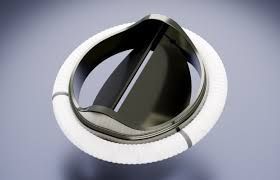
Mechanical valves are made from durable materials such as carbon and metal alloys.
Key characteristics include:
- Long-lasting structure
- High durability
- Requirement for lifelong blood-thinning medication to prevent clots
Biological (Tissue) Valves
These valves are made from animal tissues, often derived from pigs or cows, or from donated human tissue.
Features include:
- More natural blood flow patterns
- Lower need for long-term blood-thinning medication
- Limited lifespan compared to mechanical valves
Transcatheter Valves
These are typically biological valves delivered through minimally invasive procedures.
Advantages include:
- Reduced recovery time
- Suitable for certain high-risk patients
- Increasing use in modern treatment approaches
Common Materials Used
Below is a simplified comparison of commonly used artificial heart valve materials:
| Valve Type | Materials Used | Durability | Medication Needs |
|---|---|---|---|
| Mechanical | Carbon compounds, metals | Long-term | Lifelong anticoagulants |
| Biological | Animal or human tissue | Moderate | Short-term or none |
| Transcatheter | Tissue mounted on metal frame | Moderate | Varies by case |
Each type has its own advantages and limitations, and the choice depends on individual medical factors.
Risks and Complications
While artificial heart valves are effective, they are not without risks. Artificial heart valve complications can vary depending on the type of valve and the patient’s overall health.
Common complications include:
- Blood clots: Particularly associated with mechanical valves, which may require anticoagulant therapy.
- Valve wear and tear: Tissue valves may degrade over time and require replacement.
- Infection (endocarditis): Infection can occur on or around the valve.
- Bleeding risks: Often linked to blood-thinning medications.
- Valve malfunction: Rare but possible, affecting how the valve opens or closes.
Patients typically undergo regular follow-ups to monitor valve function and detect any issues early.
FAQs
What is an artificial heart valve and why is it used?
An artificial heart valve is a device used to replace a damaged heart valve. It is used in heart valve replacement procedures to restore proper blood flow and reduce strain on the heart.
What are the main artificial heart valve types?
The main artificial heart valve types include mechanical valves, biological (tissue) valves, and transcatheter valves. Each type differs in durability, material, and medical requirements.
What materials are used in artificial heart valves?
Artificial heart valve materials include carbon compounds and metal alloys for mechanical valves, and animal or human tissue for biological valves. These materials are chosen for durability and compatibility with the body.
What are common artificial heart valve complications?
Artificial heart valve complications may include blood clots, infection, bleeding due to medication, and gradual wear of the valve. Regular medical follow-up helps manage these risks.
How long does a heart valve replacement last?
The lifespan of a heart valve replacement depends on the type of valve used. Mechanical valves can last for many years, while biological valves may need replacement after a certain period due to natural wear.
Conclusion
Artificial heart valves play a crucial role in treating heart valve disease by restoring proper blood flow and improving heart function. Different artificial heart valve types and materials provide options tailored to individual health conditions. While heart valve replacement can significantly improve quality of life, it also involves ongoing care and awareness of possible complications. Advances in technology continue to improve outcomes and expand treatment choices for patients.